Creating a home gym is an excellent way to maintain your fitness routine without the need for a gym membership. But what equipment should you include? While weights and cardio machines might be the first things that come to mind, there’s one often-overlooked item that can significantly enhance your fitness journey: a posture assessment grid. Let’s explore the must-haves for your home gym, with a special focus on this game-changing tool.

Home Gym Essentials
- Resistance Bands: Versatile and space-efficient for strength training.
- Dumbbells: A range of weights for various exercises.
- Yoga Mat: For floor exercises and stretching.
- Foam Roller: Great for muscle recovery and flexibility.
- Jump Rope: An excellent tool for cardio workouts.
- Stability Ball: Enhances core workouts and can double as a chair.
- Gamechanger: See Below!
The Game-Changer: Posture Assessment Grid
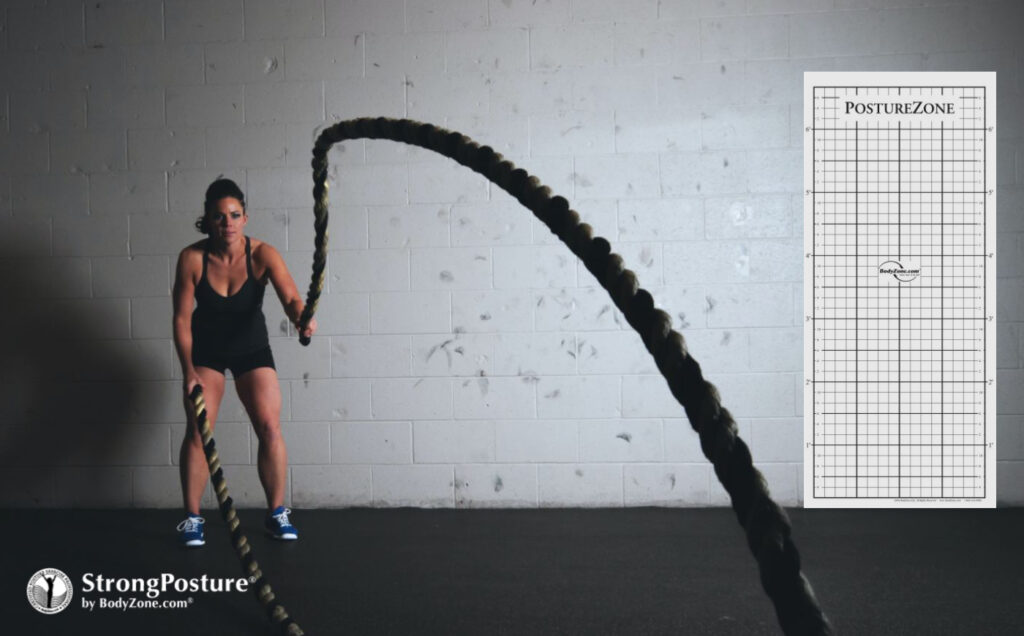
While the above items are crucial, a posture assessment grid is an often-overlooked but invaluable addition to any home gym. Here’s why:
Why You Need a Posture Grid
- Monitor Progress: A posture grid allows you to track changes in your posture over time. You can measure improvements in height, width, and overall alignment.
- Objective Feedback: The grid provides a standardized background for assessing posture, giving you objective data about your body’s alignment.
- Motivation Boost: Seeing measurable progress can be incredibly motivating, encouraging you to maintain your fitness routine.
- Injury Prevention: By regularly checking your posture, you can identify and address imbalances before they lead to injuries.
- Enhance Exercise Form: Use the grid as a reference point to ensure proper form during exercises, especially those focusing on posture and alignment.

Choosing the Right Posture Grid
When selecting a posture grid for your home gym, opt for a plastic one. Here’s why:
- Durability: Plastic grids withstand the humidity often present in home gym environments.
- Easy to Clean: A plastic surface is wipeable, making it easy to maintain hygiene in your workout space.
- Quick Installation: Plastic grids are fast and simple to install. You’ll want to keep it permanently installed for easy access.
- Frequent Use: With the grid always ready, you can easily take pictures as often as needed. This is especially valuable if you’re in the middle of weight training, preparing for a contest, or on a weight loss journey, where you might want to document your progress weekly.
Using Your Posture Grid
- Regular Check-ins: Make it a habit to assess your posture monthly. This frequency allows you to track changes over time without becoming obsessive.
- Consistent Positioning: Always stand in the same spot relative to the grid for accurate comparisons.
- Photo Documentation: Take photos of your posture against the grid. These visual records are excellent for tracking progress.
- Share Your Progress: Consider posting your progress photos (with the grid in the background) on social media. This not only holds you accountable but also shows measurable, undeniable results to your followers.
- Incorporate in Workouts: Use the grid during exercises that focus on alignment, such as wall squats or standing stretches.
While traditional gym equipment is important, don’t underestimate the power of a simple posture assessment grid. It’s an affordable, space-efficient tool that can provide valuable insights into your fitness journey. By incorporating regular posture checks into your routine, you’re not just building muscle or losing weight – you’re optimizing your overall physical alignment and health.
Remember, good posture isn’t about perfection, it’s about progression. With a posture grid in your home gym, you have a powerful tool to guide and motivate you on your path to better health and fitness. So, when you’re setting up your home gym, make sure a posture assessment grid is on your must-have list!