Perimenopause and Menopause – The Affect on Posture and Balance
Understanding the Transitional Phases
Perimenopause
Perimenopause typically begins in a woman’s 40s, though it can start as early as the mid-30s. This phase is marked by fluctuating levels of estrogen and progesterone, leading to various physical and emotional changes.
Menopause
Defined as the point when a woman has not menstruated for 12 consecutive months, menopause usually occurs between ages 45 and 55, with the average age being 51.

Hormonal Influences on Posture and Balance
The hormonal fluctuations during these phases can significantly impact a woman’s postural control and equilibrium through several mechanisms:
- Bone Density Alterations
- Mechanism: Declining estrogen levels accelerate bone loss, potentially leading to osteoporosis.
- Impact: Increased risk of vertebral fractures can cause stooped posture; weakened leg and foot bones may compromise stability.
- Muscle Mass and Strength Fluctuations
- Mechanism: Hormonal changes can result in sarcopenia, a decrease in muscle mass and strength.
- Impact: Weakened core muscles may lead to poor posture; reduced leg strength can affect balance and increase fall risk.
- Joint Health Modifications
- Mechanism: Estrogen’s role in maintaining joint lubrication and reducing inflammation diminishes.
- Impact: Joint stiffness, especially in the spine, can affect posture; reduced flexibility in ankles and hips may impair balance.
- Shifts in Body Fat Distribution
- Mechanism: Hormonal changes can alter fat storage patterns, often increasing abdominal fat.
- Impact: Changes in body composition can shift the center of gravity, affecting both posture and balance.
- Vestibular System Alterations
- Mechanism: The balance and spatial orientation system may be affected by hormonal fluctuations.
- Impact: Increased likelihood of dizziness or vertigo, directly impacting balance; reduced spatial awareness may affect posture and increase fall risk.

Strategies for Managing Postural and Balance Changes
While these changes are natural, women can employ various strategies to maintain good posture and balance:
- Targeted Physical Activity
- Incorporate weight-bearing exercises to support bone density
- Engage in specific strength training to preserve muscle mass and enhance core strength during menopause
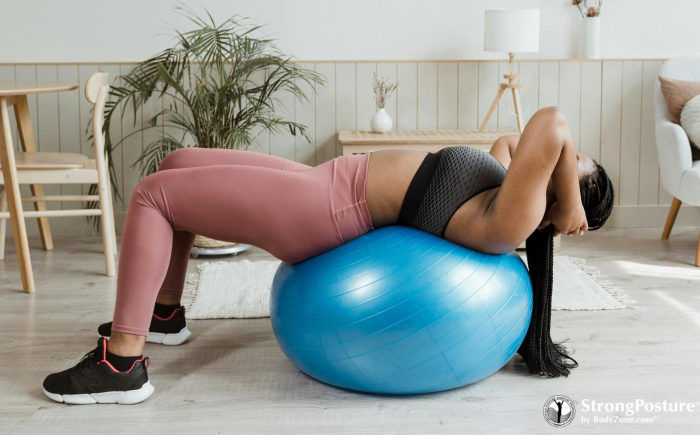
- Practice whole-body, balance-focused activities that incorporate all of these recommendations like the StrongPosture program
- Nutritional Support
- Consume calcium-rich foods for bone health
- Consider vitamin D supplementation to aid calcium absorption
- Maintain a protein-rich diet to support muscle mass
- Postural Awareness Techniques
- Perform regular posture checks throughout the day
- Make ergonomic adjustments at home and work
- Learn and practice posture-improving exercises
- Medical Interventions
- Discuss the potential benefits and risks of Hormone Replacement Therapy (HRT) with a healthcare provider
- Undergo regular bone density scans to monitor osteoporosis risk
- Schedule vision and hearing tests, as these senses play crucial roles in balance
- Lifestyle Adjustments
- Choose supportive footwear
- Prioritize adequate sleep to support overall health and balance
- Implement stress management techniques to reduce tension that can affect posture
By understanding these changes and taking proactive steps, women can maintain their physical well-being and reduce the risk of falls and related injuries during this important life stage. It’s crucial to work closely with healthcare providers to develop a personalized approach to managing these transitions and maintaining overall health and vitality.