Unveiling the Importance of Posture: Celebrating Posture Month
Welcome to Posture Month, a time dedicated to raising awareness about the significance of good posture for our overall health and well-being. Posture, the alignment and positioning of our body, plays a crucial role in supporting bodily functions, preventing pain and injuries, and enhancing our confidence and self-esteem. According to PostureMonth.org, “You can achieve good posture with small changes at home, work and play, and specific activities to improve posture and balance.”
Let’s delve deeper into the importance of maintaining proper posture, discuss its benefits, and provide practical tips for improving posture.

Understanding Posture
Posture refers to the alignment of the body’s skeletal structure and the positioning of muscles and ligaments. It involves the correct alignment of the spine, neck, shoulders, and hips. Poor posture occurs when we habitually assume positions that strain our muscles, joints, and ligaments. Common examples include slouching, hunching over electronic devices, or standing with excessive arching in the lower back.
The Importance of Good Posture
1. Enhanced Physical Health: Maintaining good posture has a direct impact on our physical health. Proper alignment helps distribute the forces exerted on our body evenly, reducing stress on the muscles, ligaments, and joints. It can prevent or alleviate back, neck, and shoulder pain, as well as reduce the risk of developing musculoskeletal conditions such as osteoarthritis.
2. Improved Breathing and Digestion: Good posture allows the lungs to expand fully, facilitating optimal oxygen intake and improving breathing patterns. Additionally, proper alignment of the spine promotes healthy digestion and prevents issues such as acid reflux.
3. Increased Energy and Vitality: When we maintain good posture, our body is better able to conserve energy and function efficiently. Correct alignment reduces muscle fatigue and strain, allowing us to feel more energized throughout the day.
4. Enhanced Confidence and Body Language: Good posture exudes confidence and portrays a positive body language. Standing tall with shoulders back and head held high can improve self-esteem, make us appear more confident to others, and even influence how we perceive ourselves.
5. Prevention of Postural Imbalances: Poor posture can lead to postural imbalances, such as rounded shoulders or a forward head position. Addressing these imbalances early on can prevent them from becoming chronic issues and potentially leading to more severe conditions down the line.
Improving Posture
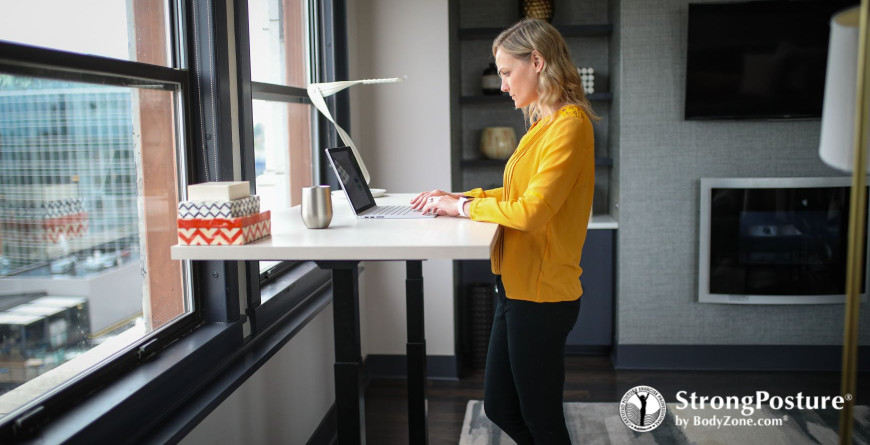
1. Ergonomic Workstations: Ensure your workspace is set up ergonomically. Adjust your chair and desk height so that your feet are flat on the floor and your knees are at a 90-degree angle. Keep your computer screen at eye level and position your keyboard and mouse within easy reach.
2. Mindful Sitting and Standing: While sitting, keep your feet flat on the ground, your back against the chair, and your shoulders relaxed. Avoid crossing your legs or slumping forward. When standing, distribute your weight evenly on both feet, engage your core muscles, and relax your shoulders.
3. Regular Movement and Exercise: Engage in regular physical activity to strengthen the muscles that support good posture. Activities such as yoga, Pilates, and strength training can help improve core strength and stability.
4. Stretching and Flexibility: Incorporate stretching exercises into your daily routine to improve flexibility and counteract the effects of prolonged sitting or standing. Focus on stretches for the chest, neck, shoulders, and hips.
5. Posture-Correcting Aids: Consider using posture-correcting aids like lumbar support cushions, ergonomic chairs, and supportive posture pillows, to assist in maintaining proper alignment, particularly during extended periods of sitting or when recovering from postural issues. Avoid posture braces that will weaken posture overtime creating bigger issues.
During Posture Month, let’s emphasize the importance of maintaining good posture for our overall health and well-being. By paying attention to our alignment, making conscious efforts to improve posture, and incorporating healthy habits into our daily routines, we can reap the numerous benefits that good posture offers. Posture Month serves as a reminder to prioritize our physical well-being and take proactive steps towards maintaining proper alignment.

Remember, good posture is not a one-time fix but an ongoing practice. It requires mindfulness, regular exercise, and ergonomic adjustments in our daily lives. So, let’s embrace Posture Month as an opportunity to educate ourselves and others about the significance of good posture and work towards cultivating healthier habits.
Together, let’s stand tall, sit upright, and celebrate Posture Month by investing in our posture for a healthier, pain-free, and confident future.
Happy Posture Month!
If you’re a health or wellness practitioner working with patients and clients and talking about posture, be sure to download the Posture Month Toolkit and Handouts from PostureMonth.org, the official site for the global public health initiative. Whether you’re a chiropractor, physical therapist, occupational therapist, massage therapist, personal trainer, yoga instructor or other posture-focused specialist – be sure to join the annual campaign!