Botox has become a household name, primarily associated with reducing wrinkles. But did you know this injectable has a variety of uses beyond cosmetic purposes?
Read on as this article explores the multifaceted benefits of Botox.
Understanding Botox
Derived from the bacterium Clostridium botulinum, Botox is a neurotoxin that temporarily paralyzes specific muscles, preventing them from contracting and improving your skin health. This mechanism underlies both its Botox cosmetic uses and its therapeutic applications. By relaxing specific muscles, Botox can address a range of conditions beyond wrinkle reduction.
Botox for Wrinkle Reduction
One of the most well-known uses of Botox cosmetic is to reduce wrinkles. As we age, our skin’s elasticity decreases, leading to more prominent frown lines, glabellar lines, and fine lines.
Botox injections can target these specific muscles, reducing their activity and smoothing the overlying skin. However, while Botox is effective, it’s essential to consult a healthcare provider to discuss your goals and expectations.
Beyond Wrinkles: Medical Applications of Botox
While Botox cosmetic treatments are popular, the medical applications of botulinum toxin injections are equally impressive. Botox has been approved by the U.S. Food and Drug Administration (FDA) for various medical conditions, such as:
Chronic Migraines
A botulinum toxin injection can be a game-changer for individuals suffering from chronic migraines. By targeting specific muscles in the head and neck, botulinum toxin type A injections can reduce the frequency and severity of migraine attacks.
Excessive Sweating
Severe underarm sweating, medically known as hyperhidrosis, can be debilitating. Botox injections can significantly reduce excessive sweating by blocking nerve signals to the sweat glands.
Overactive Bladder
Urinary incontinence and overactive bladder can significantly impact quality of life. Botox injections into the bladder muscle can help relax it, improving bladder control and reducing the urge to urinate frequently.
Muscle Spasms
Certain neurological disorders, such as cervical dystonia and blepharospasm, involve abnormal facial muscle contractions. Botox injections can help relax these muscles, alleviating pain and discomfort.
Other Medical Uses
Botox has additional approved uses, including the treatment of lower limb spasticity, upper limb spasticity, and certain eye conditions.
The Botox Procedure
Botox injections are a minimally invasive procedure performed by a healthcare provider. Here’s a breakdown of the Botox procedure to give you a better idea of what to expect:
Consultation
You’ll meet with a healthcare professional to discuss your goals, medical history, and any medications you’re taking. They’ll explain the procedure, potential risks and benefits and answer your questions. This is a great opportunity to express any concerns you have about the Botox injection.
Preparation
The injection site will be cleansed and numbed with a topical anesthetic to minimize discomfort. While numbing cream is applied, you can chat with the healthcare provider about what to expect after the procedure.
Injection
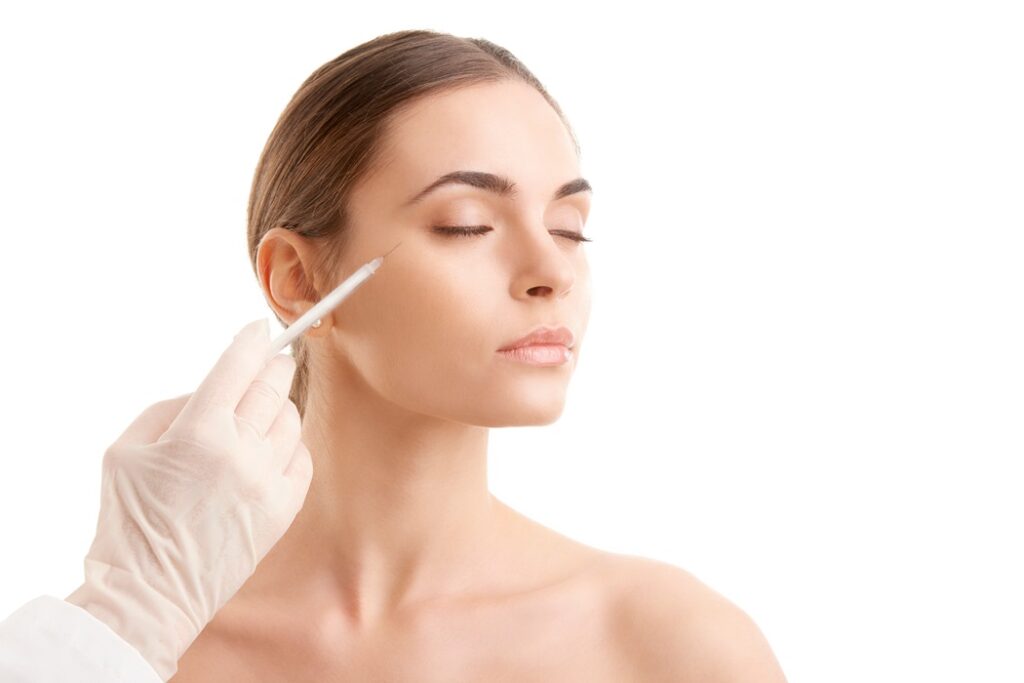
A fine needle is used to inject a small amount of Botox into the targeted muscles. The number of injections and the amount of Botox used will vary depending on your individual needs. The healthcare professional will likely use a very thin needle, minimizing any discomfort.
The procedure is typically quick, and you can usually resume your normal activities right away. You might experience some redness, swelling, or bruising at the injection site, but this is usually mild and temporary. Remember, everyone reacts differently. Be sure to ask your healthcare provider about what to do if you experience any unexpected side effects after the Botox injection.
Side Effects and Recovery
Like any medication, Botox injections carry potential side effects. Common side effects include temporary bruising or swelling at the injection site.
While rare, more severe side effects can occur, including blurred vision, general muscle weakness, or difficulty swallowing. It’s crucial to report any unusual symptoms to your healthcare provider promptly. Similarly, although uncommon, immediate allergic reactions to Botox are possible and require urgent attention. If you experience symptoms such as hives, difficulty breathing, or facial swelling, seek immediate medical care.
Important Safety Information
Before undergoing Botox injections, it’s essential to provide a comprehensive medical history to your healthcare provider. Inform them about any existing medical conditions, medications you’re taking, and previous botulinum toxin injections.
Moreover, pregnant or breastfeeding women should avoid Botox, as its safety during these periods has not been established. Additionally, Botox should not be used in individuals with certain neurological conditions or those with a history of botulism.
Final Thoughts
Botox has evolved from a primarily cosmetic treatment to a versatile therapeutic tool. While its ability to reduce facial wrinkles remains popular, the medical benefits of Botox injections are equally impressive.
Curious about its potential benefits? Don’t hesitate. Consult a healthcare provider today. Your journey to a better you starts now.
Disclaimer: This article is intended for informational purposes only and does not constitute medical advice. Always consult with a healthcare provider for diagnosis and treatment.