According to the Centers for Disease Control and Prevention, 890 million adults aged 18 years and over had obesity in 2022. Being obese or overweight isn’t only an issue related to aesthetics but is also a critical risk factor for various chronic diseases.

There’s no single magic bullet for this. Instead, it calls for an integrated, tailored approach that entails lifestyle modifications, ongoing support, and, sometimes, surgical intervention to achieve and maintain a healthier weight.
Details of managing obesity are explained below.
Surgical intervention
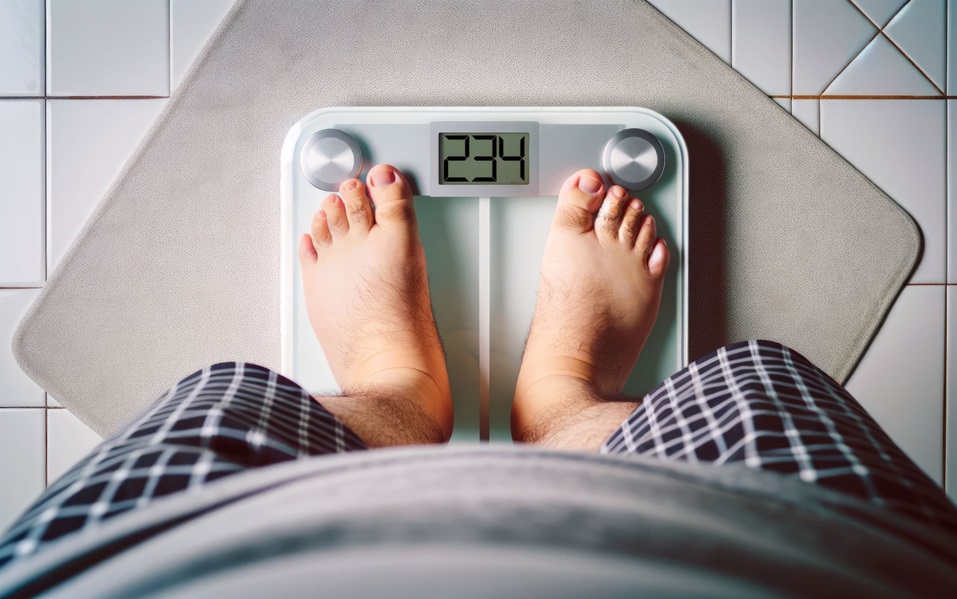
Weight loss surgery is an option for those in the very obese category, meaning those with a body mass index (BMI) of 40 or more, or for people with a BMI of 35 or more and with obesity-related health problems. The surgery isn’t any kind of magic pill but, rather, a serious step requiring adequate thinking before it and a commitment to long-term lifestyle changes.
One of the most popular weight loss surgeries is the gastric sleeve. This involves removing a large portion of the stomach and leaving a small pouch shaped like a tube. Doing this reduces the amount of food the stomach can hold, leading to feelings of fullness with the consumption of smaller meals. Some benefits of gastric sleeve surgery include substantial weight loss and even the reversing of health complications due to obesity.
Other procedures, such as gastric bypass, duodenal switch, and gastric banding, also cause weight loss but by different mechanisms. Gastric bypass, for instance, consists of the formation of a small stomach pouch and rearrangement of the small intestine. This would not only restrict food intake but would most likely have a positive effect on weight loss and metabolic health.
Lifestyle modifications
Modifications in diet and exercise habits are crucial for the upkeep of a healthy weight.
In terms of diet, low-calorie and nutrient-dense food is key. This means adequate amounts of fruits, vegetables, whole grains, and lean protein in your meals throughout the day.
The next core part of weight management is regular physical activity. According to health organizations, one should get a minimum of 150 minutes of moderate-intensity exercise or 75 minutes of vigorous-intensity exercise per week. These help to not only burn calories but also conduct cardiovascular health, control your cholesterol, strengthen muscles and bones, and boost your mood.
But managing obesity goes way beyond diet and exercise. It also reaches the behavioral level, which holds everything at a standstill. Emotional eating, mindless snacking, and other bad habits torpedo weight loss. Working with a therapist or counselor really helps you zero in on these behaviors and make changes that will help you be successful in the long term.
Medication
In some cases, medication may be prescribed to assist with weight loss, often in conjunction with lifestyle changes. This typically works by suppressing appetite, reducing fat absorption, or affecting hormones related to hunger and metabolism. Research shows that people who take prescription weight management medications can lose at least 10% of their starting weight. (2)
However, it’s important to note that weight loss medications aren’t the ultimate antidote to obesity; they work best when combined with a healthy diet and exercise plan. Additionally, they’re not suitable for everyone and may have potential side effects. So, it’s important to consult with your doctor to determine if going this route is appropriate for you. They can help you weigh the potential benefits and risks, choose the right medication, and monitor your progress.
Ongoing support
The journey to managing obesity-related health risks doesn’t have to be a solo endeavor. Seeking ongoing support is crucial for long-term success, and this can come in various forms, such as joining a weight loss support group, attending therapy sessions, or regularly checking in with your doctor or a registered dietitian.
Support groups can provide a sense of community and camaraderie, allowing you to connect with others who are facing similar challenges. Therapy can help you address emotional issues related to weight and food, develop coping mechanisms for stress and setbacks, and build self-esteem. Meanwhile, regular medical checkups are essential for monitoring your progress, identifying any potential complications, and adjusting your treatment plan as needed.
Individualized approach
There’s no one-size-fits-all approach to managing obesity-related health risks. The most effective strategy is one that’s tailored to your individual needs, preferences, and circumstances. Working closely with your doctor, a registered dietitian, and other healthcare professionals can help you develop a personalized plan that addresses your specific challenges and goals.
A personalized approach has proven to be effective when dealing with obesity. In fact, according to a published journal, the phenotype-guided approach saw a 1.75-fold greater weight loss after one year compared to the non-phenotype approach. (3)
It’s important to be open and honest with your healthcare team about your medical history, lifestyle habits, and any concerns you may have. This will enable them to create a plan that is both safe and effective for you.
Final Thoughts
Managing obesity-related health risks requires a comprehensive approach that addresses physical and behavioral factors. This is quite a challenging journey, but the rewards of a healthier life make it worth it. With determination and the right resources, individuals with obesity can achieve lasting success and enjoy a better quality of life.
References:
- Obesity and overweight: https://www.who.int/news-room/fact-sheets/detail/obesity-and-overweight
- Prescription Medications to Treat Overweight & Obesity: https://www.niddk.nih.gov/health-information/weight-management/prescription-medications-treat-overweight-obesity
- Using a phenotype-guided approach for the treatment of obesity: https://www.mayoclinic.org/medical-professionals/digestive-diseases/news/using-a-phenotype-guided-approach-for-the-treatment-of-obesity/mac-20515481