Let’s face it. A dental implant procedure is not the cheapest teeth replacement option out there. But it’s a worthwhile investment if you were to consider the benefits, including longevity, peace of mind, and the ability to eat what you want.
Compared to other solutions like dentures or dental bridges, which typically need to be replaced every five to 10 years, implants offer a long-term solution for replacing your natural teeth.
If you’re considering them or already have a new set, you’re probably curious about their average lifespan. Let’s explore the basics of how long dental implants last, and how you can make them stay in top shape longer.
The Primary Components of a Dental Implant
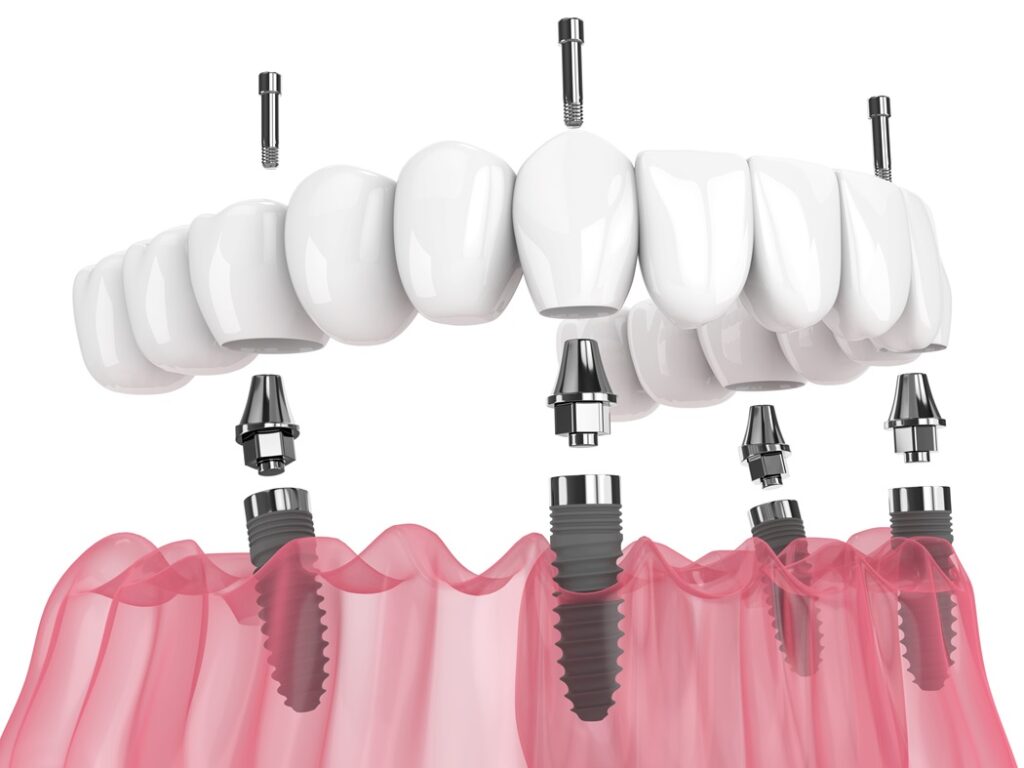
Dental implants are artificial tooth roots surgically placed into your jawbone. They act as a stable base for replacement teeth, whether it’s a single crown, a bridge, or a full set of dentures.
A typical dental implant consists of three key parts:
- The Implant Post: This is the foundation of the whole system. It’s a small, screw-like metal post made of titanium. The implant is designed to fuse with your bone over time in a process called osseointegration.
- The Abutment: Once the implant has fully integrated with your jawbone, your dentist attaches the abutment or connector to the implant. It sits above your gum line and serves as the base for your new tooth or teeth.
- The Crown: This is the visible part of the implant and looks like a tooth. It’s custom-made to match your natural teeth in color and shape. The crown is attached to the abutment, completing your new smile.
Sometimes, people might refer to additional components like the healing cap (used temporarily after implant placement) or the collar (part of the implant that interfaces with the gum tissue).
Each component plays a crucial role in creating a strong, natural-looking replacement for your missing tooth. Together, they work to restore both the function and appearance of your smile.
How Long Do Dental Implants Last?
Here’s the good news: with proper care and maintenance, dental implants can last a lifetime. But before you start jumping for joy, let’s break this down a bit further.
Titanium implants can last for decades, that’s why they’re considered a permanent solution for teeth restoration. Many dentists will tell you that a well-placed and well-cared-for implant has the potential to stick around for 25 years or more. However, it’s important to note that while the implant might last forever, the dental crown may need to be replaced every 10-15 years due to normal wear and tear.
Tips For Maximizing Your Implant’s Lifespan
It’s important to note that several factors impact dental implant longevity. Of these factors, a dentist’s expertise is often overlooked. A well-placed implant has a much better chance of lasting longer. That’s why it’s crucial to seek experienced and skilled implant professionals when having one. If you’re in the Michigan area, consulting an experienced Okemos dentist can ensure proper placement and long-term success for your dental implants.
After a dental implant procedure, ensure your implants go the distance through these top tips:
- Brush and floss religiously. Treat your implants like natural teeth
- Use a soft-bristled toothbrush to avoid scratching the crown
- Consider an electric toothbrush for more thorough cleaning
- Avoid smoking and excessive alcohol consumption
- Wear a mouthguard if you grind your teeth at night
- Stick to a healthy diet rich in calcium and vitamin D for strong bones
- Don’t use your teeth or implants as tools. Avoid opening packages with your mouth.
- Keep up with your regular dental check-ups
Poor oral hygiene, unhealthy lifestyle choices and habits, certain health conditions, and your dentist’s skills and experience. These tips help ensure you’re getting the most out of this tooth replacement option.
The Importance of Regular Check-ups
Frequent visits to your dentist are crucial for maintaining the health and longevity of your implants.
During these visits, your dentist will:
- Check for any signs of infection or inflammation
- Ensure the dental implant placement is good and properly integrated with your jawbone
- Clean around the implant to prevent plaque buildup
- Examine the crown for any signs of wear or damage
Most dentists recommend check-ups every six months, but depending on your individual needs, you might need to go more or less frequently. Don’t skip these appointments – they’re your ticket to long-lasting implants. Plus, they help boost your confidence and ensure your artificial tooth root and implants are in great shape.
What If Something Goes Wrong After a Dental Implant Surgery?
Sometimes, things don’t go according to plan despite our best efforts. If you experience pain and swelling or notice your implant feeling loose, don’t panic and contact your dentist right away. Early intervention can often save an implant that’s starting to fail.
In rare cases, an implant might need to be removed and replaced. This could be due to infection, bone loss, or trauma. The good news is that with modern techniques, a new implant can often be placed immediately after removing the old one.
While these issues can occur, dental implants generally have a high average success rate of 95% when performed by experienced professionals and properly cared for by the patient.
Wrapping It Up
Proper care goes a long way in making your implants last. To summarize, it’s crucial to practice and maintain good oral hygiene, schedule regular dental visits, and choose an experienced oral professional to minimize dental implant problems. With these best practices, you can enjoy the benefits of this tooth replacement procedure for a lifetime.