Veneers and Invisalign stand out as two popular treatments in cosmetic dentistry. While both aim to correct or improve the look and function of teeth, they do so in distinct ways. This article will explore the differences between veneers and Invisalign, outlining the most important pros and cons of each. It will also examine the various considerations potential patients in the UK might want to keep in mind when deciding on either treatment, including cost, longevity, and overall impact on oral health.
According to Dr. Sahil Patel, a leading London cosmetic dentist who has guided countless patients through various aesthetic dental journeys, it is crucial that individuals understand the nature of each procedure before making a choice. He notes that veneers for crooked teeth might be preferable for those seeking a quick and dramatic transformation of their smile, whereas Invisalign may be best suited for individuals who wish to gradually realign their teeth over time. The Marylebone Smile Clinic based cosmetic dentists emphasised that one size never fits all, and the best course of action is usually determined through a detailed consultation and a careful assessment of personal goals.
By examining veneers and Invisalign in more depth, patients can gain the knowledge necessary to make an informed decision. It is essential to assess what each treatment involves, the timeframe one might expect for results, how each procedure might affect oral health in the long run, and which factors could influence ultimate satisfaction with the outcome. This article will delve into the finer details of veneers and Invisalign while offering a fresh perspective on how to approach the question of “Which is better?” for those in search of an improved smile in the UK.
What are Veneers?
Veneers are slender layers, often composed of porcelain or composite resin, affixed to the anterior surface of the teeth. The primary objective of veneers is to enhance the aesthetic appeal of the teeth, perhaps altering their colour, shape, length, or alignment to a certain degree. Veneers effectively conceal the anterior aspect of the tooth, making them a good solution for masking minor gaps, fractures, or chipped edges. This method is favoured by individuals with discolouration unresponsive to whitening or those seeking to simultaneously treat other cosmetic issues.
One of the appealing features of veneers is the speed with which they can transform a smile. After the initial consultation and planning stages, the teeth are prepared—sometimes requiring a tiny portion of the enamel to be removed to create space for the new veneers—and then the veneers are bonded in place. Once completed, the result can be a near-instant change in colour and shape. However, it is also important to note that veneers, particularly porcelain veneers, are an irreversible treatment. The slight reshaping of the teeth means that a patient will likely need to maintain veneers or replace them in the future. Durability and aesthetics come together in high-quality veneers, but this comes at a cost, both in terms of financial outlay and the permanent nature of the procedure.
For many people in the UK looking to enhance their smiles in a comparatively short timeframe, veneers can be an enticing choice. The results are often dramatic, particularly if multiple veneers are fitted to address a variety of concerns, such as spacing, minor misalignment, and discolouration. Nonetheless, it is critical to understand the preparation process, which includes tooth enamel removal. This step is relatively minimal when veneers are placed by an experienced practitioner, but it still represents a commitment to a lifetime of maintenance. Porcelain veneers, while strong, can crack or chip, especially if subjected to biting very hard objects or grinding. Careful aftercare and regular check-ups help to minimise the likelihood of damage.
Pros and Cons of Veneers
One of the greatest advantages of veneers is their ability to deliver immediate results once the procedure is finalised. For instance, a patient troubled by years of stained or misshapen teeth can see a brand-new smile after just a few appointments. Given that veneers cover only the front of the teeth, they often manage to retain a more natural look, especially if a skilled clinician carefully matches the colour and translucency. Moreover, veneers can handle multiple cosmetic issues in one go—colour, shape, and small alignment concerns—thus eliminating the need for multiple, separate treatments.
Although these benefits are compelling, there are certain drawbacks to keep in mind. Veneers do not correct the underlying position of teeth in the same way that orthodontic interventions do; they primarily mask cosmetic imperfections on a superficial level. Consequently, if misalignment is significant or if the patient is dealing with functional issues like an improper bite, veneers alone may not be adequate. They can provide aesthetic camouflage, but they do not physically move the teeth. Additionally, porcelain veneers, which often deliver the best aesthetic and durability outcomes, can be costly. The price depends on the number of teeth being treated, the material chosen, and the expertise of the dentist performing the procedure.
Another consideration is the commitment involved in having one’s teeth prepared for veneers. The process of slightly etching the surface of the tooth for bonding is irreversible, which means that once a tooth is veneered, it will always require some form of veneer or alternative covering in the future. Replacement veneers might be necessary after a decade or so, depending on wear and personal oral hygiene habits. While veneers are strong, they are not indestructible. Thus, individuals prone to grinding their teeth (a condition known as bruxism) may require added protection through night guards or stress management to protect the porcelain’s surface.
What is Invisalign?
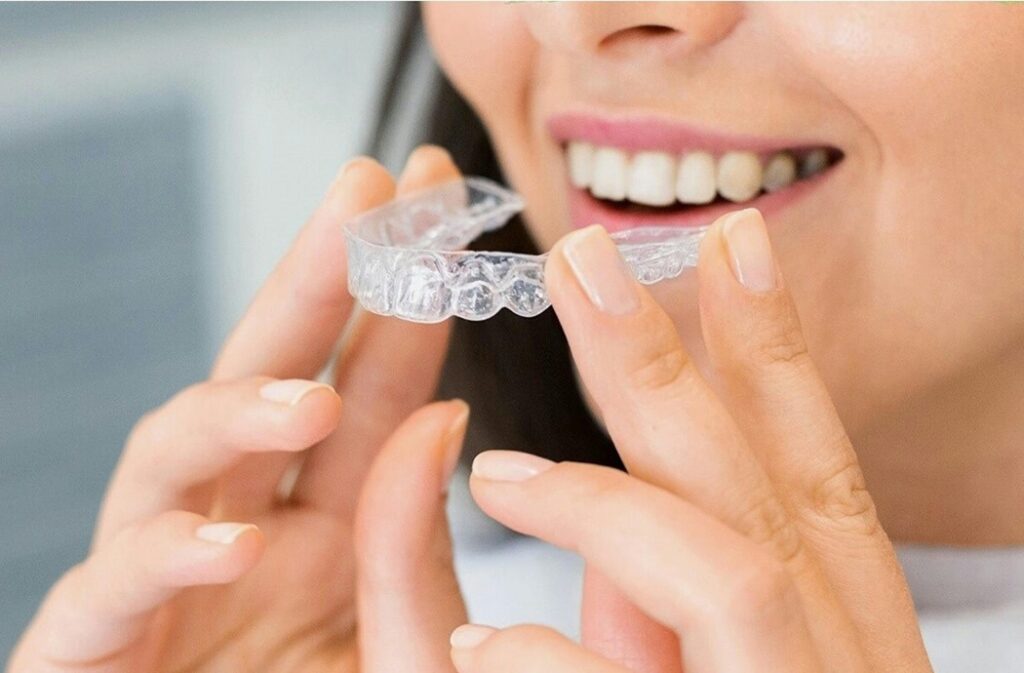
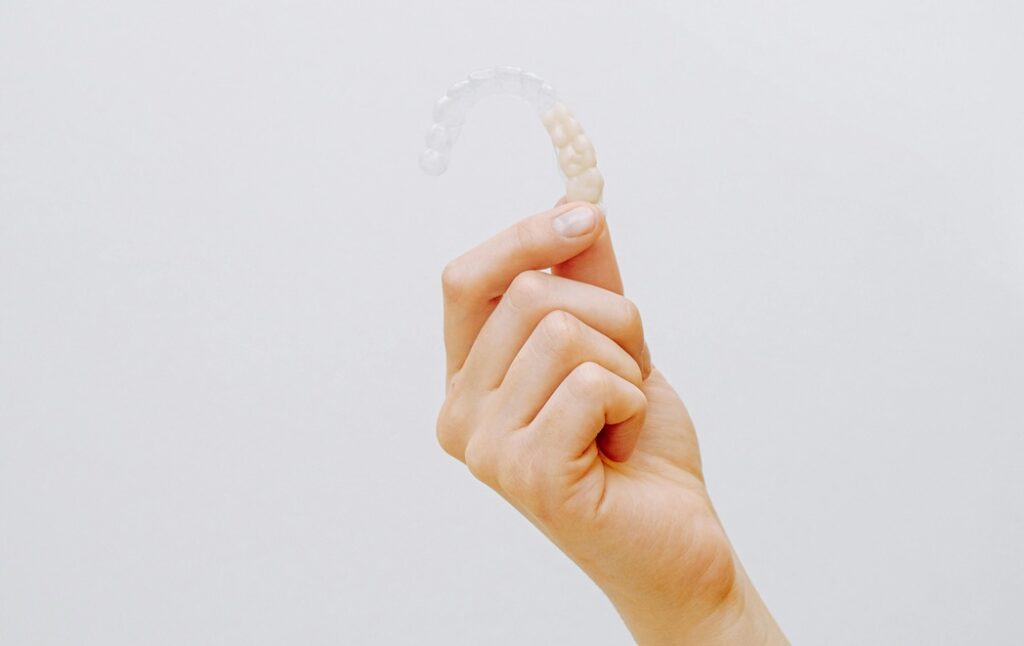
Invisalign is an orthodontic treatment that uses a series of clear, removable aligners to straighten and reposition the teeth gradually. The system is designed to be discreet, allowing individuals to improve their alignment without the metal brackets and wires associated with traditional braces. The process involves a digital scan or impression of the patient’s teeth, from which a custom plan is created. Each set of aligners is worn for roughly one to two weeks before moving on to the next set, gently shifting the teeth into the prescribed position.
One of the most appealing aspects of Invisalign is that the aligners are removable. Patients can take them out during meals or for special occasions, and they are typically less noticeable than metal braces, allowing individuals to go about their daily routines without feeling overly self-conscious. This flexibility is especially valued by many adults who have professional commitments or social circumstances where metal braces might be considered disruptive.
Invisalign is capable of addressing a wide range of alignment issues, including crowding, spacing, crossbite, overbite, and underbite, although the severity of the problem will influence the treatment’s duration and ultimate success. In general, Invisalign must be worn for at least 20 to 22 hours per day to be effective. Patients who frequently remove the aligners or neglect to wear them as instructed might find that their progress stalls or that they fail to achieve the desired results.
Pros and Cons of Invisalign
Invisalign aligns the teeth in a gradual, predictable fashion. Because the aligners are clear, many people around you may not even notice you are wearing them, which appeals to those who prefer a more subtle solution. The treatment has the added advantage of not significantly interfering with your typical diet and oral hygiene routine. Since they are removable, you can brush and floss normally, thus reducing the risk of plaque build-up often associated with fixed braces. This convenience encourages more consistent oral care, and as a result, many patients who use Invisalign end up improving their overall dental hygiene habits.
Nevertheless, Invisalign is not without drawbacks. Treatment times tend to be longer than the immediate transformation offered by veneers, sometimes lasting from six months to a year or more, depending on the complexity of the case. This requires patience and adherence to wearing the aligners as recommended by your provider. Some mild discomfort or pressure can arise each time you switch to a new set of aligners, though it is usually manageable. Additionally, if you have extremely severe alignment issues or certain complex bite problems, Invisalign alone might not be sufficient, or it may need to be combined with other orthodontic measures.
Cost is another consideration, particularly for adults who are already debating whether an aesthetic or orthodontic intervention is right for them. The price of Invisalign in the UK may vary depending on the severity of the misalignment, the number of aligners required, and the experience of the practitioner. Regular appointments and check-ups will be scheduled to monitor progress, ensure the aligners fit correctly, and make necessary adjustments to keep you on track.
The Key Differences
Veneers and Invisalign deliver distinct outcomes via different methods. Veneers primarily focus on covering imperfections, while Invisalign addresses the structural alignment of the teeth themselves. Veneers can offer a rapid transformation in both shape and colour, providing a near-instant improvement for individuals dealing with a wide range of cosmetic issues. However, veneers require reshaping the surface of the natural tooth, making this a permanent decision that should not be taken lightly.
By contrast, Invisalign offers a more conservative approach, as the aligners move your natural teeth into a more desirable position without permanently altering them. This tends to be the preferred option for individuals who wish to retain as much natural tooth structure as possible and correct the actual alignment problems at their roots. The gradual process does mean you will not witness the same instant change, but the long-term benefit is that your teeth are truly repositioned rather than masked.
In addition, veneers can address issues of discolouration more comprehensively than Invisalign. Invisalign can certainly aid in making the alignment more attractive, but it does not whiten or change the shade of the teeth. Many patients who opt for Invisalign later choose to have their teeth professionally whitened to complete their smile transformation. Conversely, veneers allow you to select a specific shade for the new surfaces, creating a uniform and often dazzling result.
Factors to Consider: Cost, Maintenance, and Suitability
Cost is a factor that often weighs heavily on the decision-making process. Porcelain veneers can be expensive, especially if multiple teeth require attention. A single veneer might be relatively manageable in cost, but a full set of veneers on the upper teeth can be a considerable financial investment. In contrast, Invisalign’s pricing is usually dependent on the complexity of the case and the duration of treatment. For individuals with moderate alignment issues, the cost can be comparable to a few high-quality veneers, but the final figure often varies.
Maintenance also differs between the two treatments. With veneers, care involves avoiding excessive pressure, regularly visiting your dentist to check the integrity of the bond, and practising proper oral hygiene to prevent gum disease. Good oral hygiene is crucial not only for the longevity of the veneers but also to maintain the surrounding gum tissue. Meanwhile, Invisalign demands strict adherence to daily wear time, meticulous cleaning of the aligners, and consistent follow-up appointments for new aligners or adjustments. Skipping appointments or neglecting the recommended wear time can set back progress.
Suitability depends on the specific issues you want to address. For someone whose primary concern is discolouration or chipped teeth, veneers might be a logical and effective choice. For an individual with mild to moderate misalignment who wishes to improve the overall alignment and bite, Invisalign might be more appropriate. Indeed, many providers would suggest starting with Invisalign if alignment is the key concern, and then, if necessary, considering veneers to perfect the shape or address residual cosmetic imperfections.
It’s also worthwhile to think about the health of your natural teeth before proceeding. If your teeth are structurally sound and simply require better alignment, an orthodontic approach like Invisalign could be advantageous for preserving tooth structure. If, however, your teeth are severely worn, chipped, or prone to discolouration, veneers might kill two birds with one stone, so to speak, addressing both structural and aesthetic issues at the same time.
Who Might Benefit from Veneers?
Veneers can be an ideal solution for individuals who have healthy teeth but are unhappy with their appearance due to discolouration, small gaps, chips, or moderate misalignment. They are also an excellent choice if you wish to enhance your smile swiftly in preparation for a special event or if your profession involves being in front of cameras or meeting clients regularly. The transformation can be striking, boosting self-esteem and improving overall facial aesthetics.
Moreover, those who have existing damage or heavy staining on their teeth might see veneers as a way to rehabilitate the smile entirely. For instance, certain antibiotic stains or trauma-induced discolourations can be difficult to correct with whitening treatments alone. Veneers can mask these imperfections. However, it is critical to ensure your gum health and any underlying issues—such as decay—are addressed first. Otherwise, covering up problems could lead to more serious issues later.
Who Might Benefit from Invisalign?
Invisalign is suitable for individuals who want to straighten their teeth and correct mild to moderate bite issues without the inconvenience or look of metal braces. It’s a popular choice among professionals who want a discreet solution and are prepared to invest several months in treatment. The aligners can be removed for significant social or professional occasions, which is a flexibility many patients appreciate. Given proper adherence, the end result is a straighter, healthier, and more balanced smile that’s entirely your own natural teeth.
People who are concerned about the long-term maintenance and irreversibility of veneers might gravitate towards Invisalign. Because the process does not involve removing healthy tooth structure, some see this as a more conservative approach that respects the integrity of one’s natural teeth. Those who are diligent about oral hygiene and do not mind the discipline of wearing aligners most of the day typically find that the convenience of removing them at meal times and for cleaning offsets any initial hesitation.
The Role of a Cosmetic Dentist in London
Finding a cosmetic dentist in London who understands your goals and can provide both veneers and Invisalign is often a pivotal factor in achieving the best results. In a city as diverse and fast-paced as London, individuals looking to enhance their smile might find themselves in need of a professional who can tailor treatments to specific lifestyle requirements, timelines, and budget constraints. When searching for a cosmetic dentist in London, it is wise to look for credentials, reviews, and patient testimonials that speak to the provider’s expertise in both treatments.
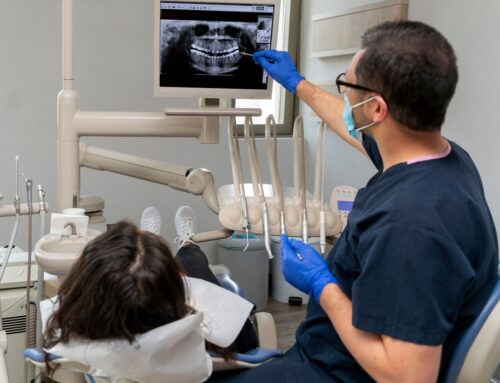
During the consultation process, the dentist will typically ask about your expectations, examine the current state of your teeth and gums, and take diagnostic images or scans. This approach ensures that any underlying problems—cavities, gum disease, or functional issues—are addressed and that the recommended procedure aligns with long-term oral health. Sometimes, a combined approach might be suggested, for instance, using Invisalign to correct certain misalignments and then employing veneers to refine shape and colour if desired.
A reputable cosmetic dentist in London should provide transparent information regarding the cost, timeframe, and possible risks or complications. They will also work with you to determine whether veneers or Invisalign—or a combination of treatments—will best achieve your goals. Practical advice on lifestyle adjustments, such as limiting highly pigmented foods or beverages to maintain the colour of veneers or committing to wearing Invisalign aligners the recommended number of hours each day, may be offered to ensure you fully benefit from the treatment.
Combining Veneers and Invisalign
In certain cases, patients might benefit from a combination of both treatments. For example, if a patient has moderately crooked teeth along with severe discolouration or chipped edges, a dentist might recommend using Invisalign first to correct alignment. Once the teeth are in a better position, veneers can be placed to achieve a unified shape and tone. This staged approach can yield highly customised results, ensuring that issues of alignment, function, and aesthetics are all tackled holistically.
The combination strategy requires careful planning, as the final veneer design will take into account the newly aligned teeth. It is also essential for the patient to adhere strictly to the Invisalign protocol to avoid any surprises. This integrated approach can be more time-consuming and costly, but for those who desire an absolutely refined, magazine-ready smile, it might be the best option.
Considering Other Alternatives
Although veneers and Invisalign top the list of popular cosmetic treatments, there are other options worth considering for specific concerns. Traditional braces, for instance, might be recommended if the patient’s misalignment or bite issues are too severe for Invisalign. In-office or at-home whitening can address surface stains more affordably, although the results may not match the lasting brightness provided by veneers. Composite bonding, an alternative to porcelain veneers, can also be considered for smaller repairs or if the patient desires a less permanent solution, bearing in mind that composite materials usually do not last as long as porcelain.
Before deciding on any treatment, it is best to thoroughly discuss your goals with a dental professional, especially if you are seeking advice regarding cost-effectiveness, duration of treatment, and the likelihood of satisfaction in the long term. If you live in London, you may also want to consider the convenience of follow-up appointments. Aligners require regular check-ins, whereas veneers might only need occasional maintenance visits unless repairs or replacements become necessary.
Making the Right Choice for You
Choosing between veneers and Invisalign can be a challenging process, and the final decision often depends on a variety of factors: how quickly you want results, the nature and severity of the issues you want to address, and whether preserving natural tooth structure is a top priority. Emotional and psychological factors can also play a role. Some people find that the immediate gratification of veneers boosts their confidence significantly, while others prefer the more natural progression of Invisalign’s tooth movement.
Practitioners will typically evaluate the health and thickness of your natural enamel, your bite, and any signs of parafunctional habits like teeth grinding to ensure your chosen treatment will have the best chance of success. Ultimately, it is not always a simple question of which is “better,” but rather which aligns best with your specific circumstances and preferences. It is also recommended to budget for the financial investment and commit to any lifestyle modifications your dentist advises.
Consistency in aftercare is crucial in both treatments. Veneers demand careful brushing, flossing, and general maintenance to ensure the underlying tooth remains healthy. Invisalign requires strict adherence to wearing the aligners and keeping them clean. After the completion of Invisalign, many patients are given retainers to preserve the newly aligned position of their teeth. Maintaining results, whether with veneers or Invisalign, generally involves a commitment to regular dental check-ups and adopting good oral hygiene habits.
Conclusion
Veneers and Invisalign stand at the forefront of cosmetic dental treatments for individuals in London and beyond. Both procedures have been refined over decades of research and technological advancement, offering solutions that range from a quick fix to a more gradual realignment of the teeth. Veneers are best suited for those looking to address a variety of cosmetic concerns—from chipped or stained teeth to small gaps and moderate misalignment—within a relatively short period of time. They offer an immediate, dramatic transformation but require slight modification of the natural teeth and a commitment to replacements in the future.
Invisalign, on the other hand, focuses on the root cause of misalignment, gradually shifting the natural teeth into the ideal position without permanently altering them. While the process requires more time and discipline, the long-term benefit of properly aligned teeth often extends beyond aesthetics to improved function and oral health. For those who fall somewhere in between or have multiple concerns, a staged approach combining Invisalign and veneers can achieve a comprehensive, personalised result.
In the end, the choice between veneers and Invisalign will vary from person to person based on aesthetic goals, budget, and lifestyle considerations. Consulting a highly qualified cosmetic dentist in London can help demystify the process, allowing you to weigh the pros and cons in light of your unique circumstances. Whichever path you choose, a more attractive and confident smile can be an attainable goal, provided you equip yourself with the right information and the right professional guidance.