Speech therapists and speech-language pathologists play a crucial role in helping individuals overcome communication challenges and improve their overall quality of life. While speech and language skills are typically the focus of therapy sessions, it is important not to overlook the impact of posture on speech production.
Incorporating posture assessment into speech therapy practice can provide valuable insights into the complex relationship between posture and speech, enabling therapists to develop more holistic and effective treatment plans. In this article, we explore the significance of posture assessment in speech therapy and discuss how it can enhance therapeutic outcomes.

Understanding the Link between Posture and Speech
Posture and speech are intricately connected, with posture providing the foundation upon which speech production is built. Proper alignment and postural stability are essential for optimal breath control, vocal cord functioning, and articulation. When posture is compromised, it can negatively affect these aspects, leading to difficulties in speech clarity, voice projection, and overall communication.
The Benefits of Posture Assessment in Speech Therapy
- Identifying Underlying Causes: Posture assessment allows speech therapists to identify any postural deviations or muscle imbalances that may contribute to speech difficulties. Poor posture, such as slouching or forward head posture, can strain the muscles involved in speech production, impeding proper vocal cord and articulatory movements. By evaluating posture, therapists can gain valuable insights into potential underlying causes and tailor treatment plans accordingly.
- Individualized Treatment Approaches: Each client has a unique postural profile, and considering posture during therapy enables speech pathologists to customize treatment plans to address specific needs. By incorporating postural exercises, stretching routines, and ergonomic modifications, therapists can help clients improve their posture, thereby optimizing their speech production abilities. Additionally, addressing postural concerns can have a positive impact on overall physical health and well-being.
- Enhancing Vocal Quality: Posture significantly influences vocal quality. Proper alignment and postural stability support optimal breath control, facilitating better vocal resonance and projection. Through posture assessment, speech language pathologists can identify postural factors that may be hindering vocal performance. By integrating targeted exercises and techniques aimed at improving posture, therapists can assist clients in achieving a clearer, more resonant voice.
- Facilitating Articulatory Precision: Posture assessment can reveal how postural misalignments affect the coordination and movements of the articulatory structures, such as the tongue, lips, and jaw. By addressing postural issues, therapists can help clients achieve better control over these structures, leading to improved articulatory precision, intelligibility, and speech clarity.
- Long-Term Benefits: Incorporating posture assessment in speech therapy practice goes beyond immediate treatment goals. By emphasizing the importance of maintaining good posture outside therapy sessions, therapists empower clients to carry their improved posture into their daily lives. This integration promotes sustained progress and prevents the reoccurrence of postural habits that can hinder speech production.
Easy Practice Integration
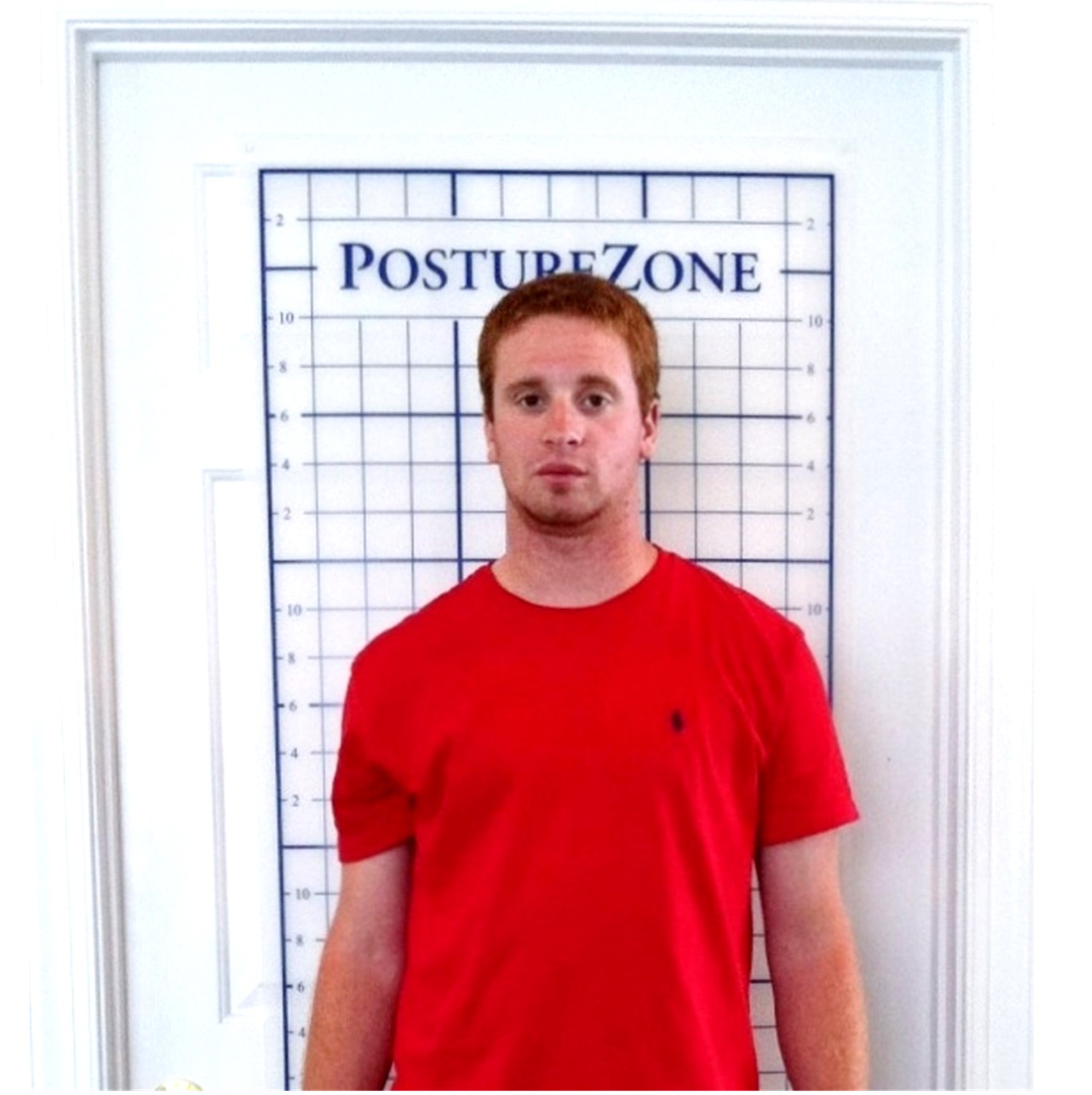
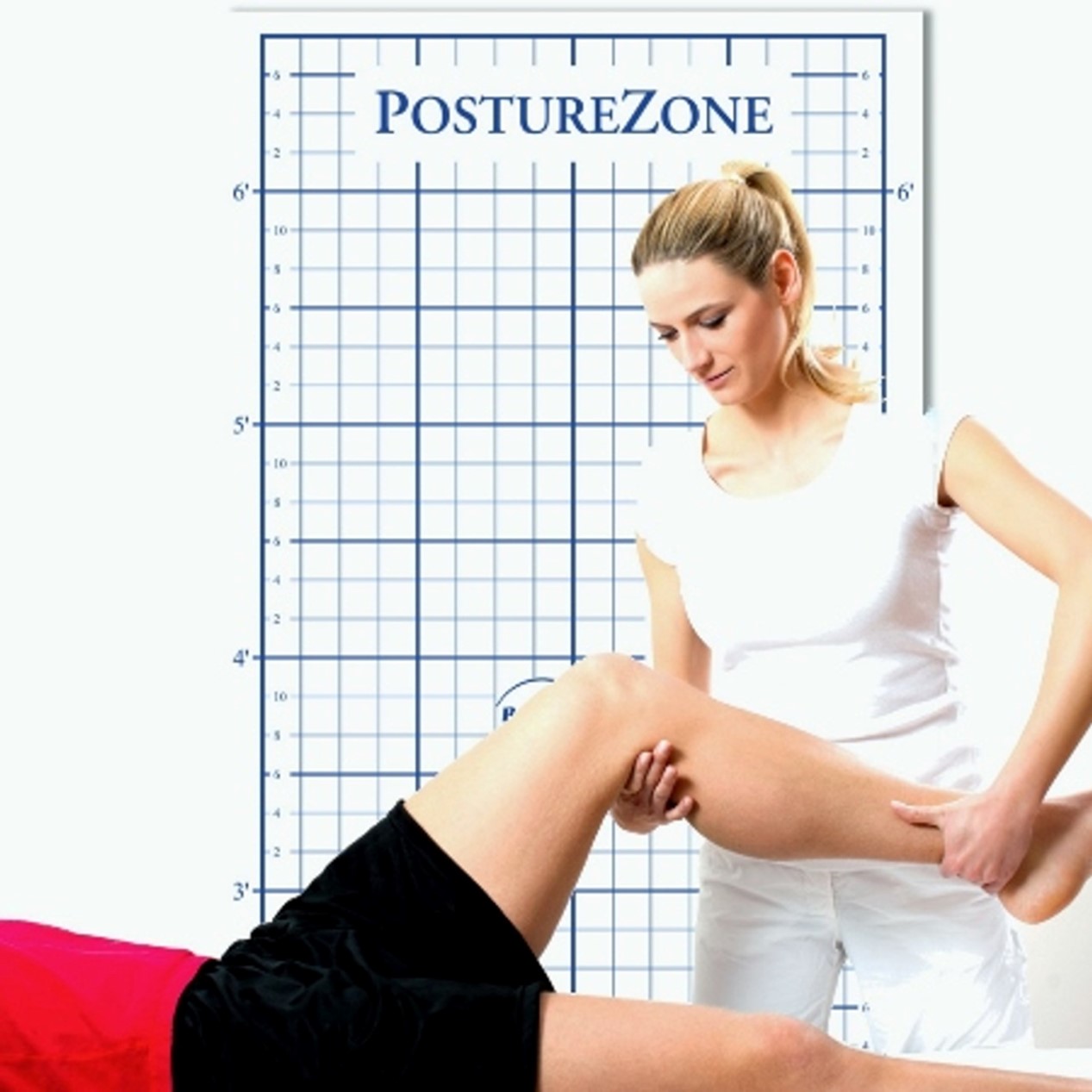
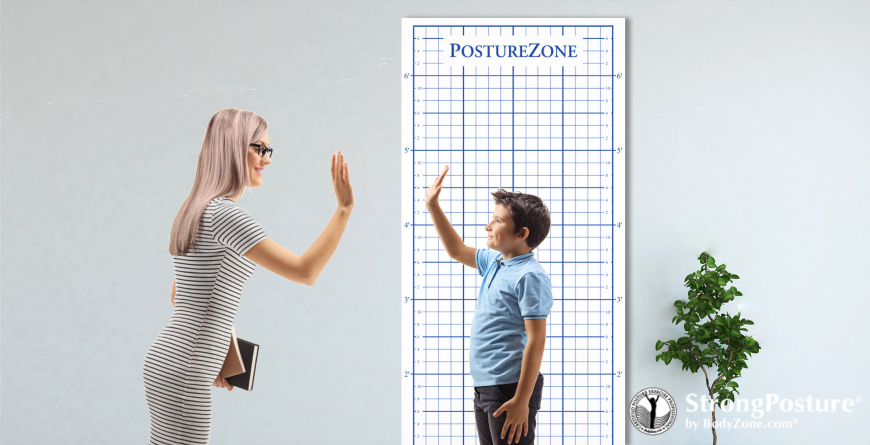
Utilizing a posture grid is an invaluable tool for speech therapists when incorporating posture assessment into their practice. A posture grid provides a visual representation of a client’s postural alignment and helps to objectively measure any deviations or imbalances. By using a posture grid, therapists can accurately assess the client’s alignment and identify specific areas of concern, such as forward head posture, rounded shoulders, or pelvic tilt.
This visual aid allows for precise documentation of postural changes over time, enabling therapists to track progress and make informed treatment decisions. Additionally, the posture grid serves as a communication tool, allowing therapists to effectively illustrate postural issues to clients and collaborate on targeted interventions. Ultimately, the integration of a posture grid enhances the accuracy, consistency, and effectiveness of posture assessment within speech therapy practice.
In most cases we recommend the wall and door grids by PostureZone in a speech therapy practice due to its durability with children, teens and adults. In a clinical setting it’s wipeable which is important for cleanliness. For therapists and hospitals working on research the wall metric grid might be considered. Due to the level of detail a speech pathologist is going to want to capture we generally don’t use a portable style grid in these clinics and practices. We also recommend against vinyl or paper which buckle and will not hold up or lay completely flat which means your results won’t be accurate.
Note: BodyZone carries the Wall Grid and the Door Grid by PostureZone (these are the same posture assessment charts you’ve seen in hospitals and other therapeutic practices). The material is identical on these two options. Generally you’d only choose the door grid where space on the wall is hard to come by. PostureZone also makes a Pediatric Grid which younger patients enjoy as they grow into the full size wall chart grid. You can source the PostureZone grids from our shop, as well as PostureZone.com and a few others.
Posture Assessment a Powerful Tool for the Speech Therapist
Posture assessment is a valuable tool that allows speech therapists to address the often-overlooked connection between posture and speech production. By incorporating posture assessment into therapy practice, speech therapists can gain a comprehensive understanding of the impact of posture on speech, leading to more effective treatment planning and improved therapeutic outcomes. By helping clients achieve proper postural alignment, therapists promote optimal breath control, vocal cord functioning, and articulation, resulting in clearer speech, enhanced vocal quality, and improved communication abilities. By recognizing the importance of posture in speech therapy, we can take significant strides toward empowering individuals to reach their full potential in the realm of communication.