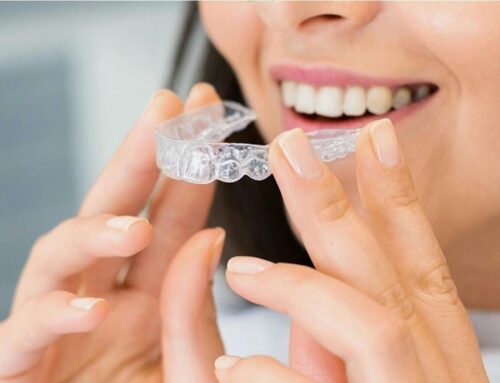
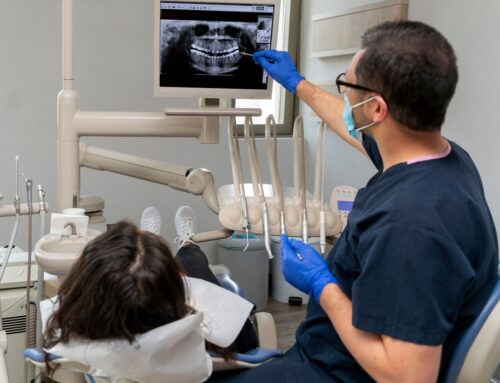
Restorative dentistry offers a way to improve both the function and appearance of teeth that have been damaged or lost. Many people experience dental issues, whether from decay, injury or wear over time. Restoring these teeth isn’t just about aesthetics; it’s about maintaining oral health. Without proper care, even a small dental issue can lead to bigger health concerns.
In this article, we’ll explore the key benefits of restorative dentistry and why it’s an essential part of modern dental care.
Restoring Functionality
When a single tooth is damaged or missing, it can affect everyday activities like eating and speaking. Restorative dentistry helps by restoring the normal function of teeth. For instance, dental crowns are commonly used to repair cracked or severely decayed teeth. Once placed, the crown allows the person to chew and bite without discomfort, just like they would with their natural teeth. Another example is when you get implants for a new smile. Dental implants replace missing teeth and restore a person’s ability to eat a variety of foods confidently.
When teeth are missing or damaged, the jaw muscles and remaining teeth often have to work harder to compensate. Over time, this can lead to muscle pain, headaches, or even more tooth damage. Restorative dentistry solves these issues by ensuring that all teeth function as they should, reducing excessive strain on the mouth.
Improving Appearance
While restoring functionality is essential, many people also turn to restorative dentistry for cosmetic reasons. Damaged teeth can make individuals self-conscious about their smile. Treatments like veneers or crowns can cover imperfections such as chips, cracks, or discoloration, giving a person the confidence to smile again.
For example, someone with a front tooth that’s severely discolored due to trauma may feel hesitant to smile in public. After receiving a veneer, their smile appears natural, and they no longer have to worry about the appearance of their teeth. The ability to feel good about one’s appearance has a positive effect on confidence and self-esteem, which is an important aspect of overall well-being.
Preventing Further Dental Issues
One of the most significant advantages of restorative dentistry is its role in preventing future problems. A small crack in a tooth, if left untreated, can turn into a fracture that requires more extensive treatment like extraction or root canal therapy. By addressing dental issues early, restorative procedures stop the problem from worsening. Visiting an experienced dentist Orlando ensures you get the right treatment before minor issues become major concerns.
Fillings are an excellent example of how a simple restorative procedure can prevent bigger issues. A small cavity, if treated promptly with a filling, can save the tooth from needing a crown or even a root canal in the future. The sooner a dental problem is fixed, the less invasive and costly the treatment usually is.
Promoting Long-Term Oral Health
When teeth are properly restored, they support long-term oral health. Dental bridges, for example, not only replace missing teeth but also prevent the neighboring teeth from shifting out of position. This helps to maintain the alignment of the bite and ensures that the surrounding teeth remain healthy.
Additionally, dental implants help prevent bone loss in the jaw. When a tooth is lost, the bone around the missing tooth can start to deteriorate. Implants stimulate the jawbone, much like natural teeth, preventing this deterioration and keeping the jaw strong and healthy.
Enhancing Quality of Life
Having a healthy, functional set of teeth can greatly enhance one’s quality of life. Simple pleasures like enjoying a favorite meal or laughing freely without being self-conscious about one’s teeth become possible with restorative dentistry. For many, these treatments go beyond physical health—they restore a sense of normalcy and well-being.

A good example is someone who has been dealing with multiple missing teeth for years. After receiving dental implants or a bridge, they’re able to speak more clearly, chew more comfortably, and smile without feeling insecure. This can make social situations more enjoyable and boost the individual’s overall happiness.
Cost-Effectiveness Over Time
While some people may hesitate because of the cost of restorative dentistry, it is important to consider the long-term savings. Left untreated, dental issues often require more complex and expensive procedures down the road. For example, a filling today may prevent the need for a crown or root canal later, saving both time and money in the long run. Furthermore, having a full set of healthy teeth reduces the likelihood of needing dentures or other more costly solutions in the future.
Conclusion
Restorative dentistry provides solutions that improve both the function and appearance of teeth, enhancing overall oral health and boosting confidence. From preventing future dental problems to supporting long-term health, the benefits are clear. For those dealing with damaged or missing teeth, restorative treatments can offer more than just a cosmetic fix—they can bring back the quality of life that’s been lost. By addressing dental issues early, people can save themselves from more complex and costly procedures later on. Restorative dentistry is an investment in both health and happiness.