Feeling, Seeing & Strengthening Balance
The Bidirectional Relationship Between Posture and Body Function
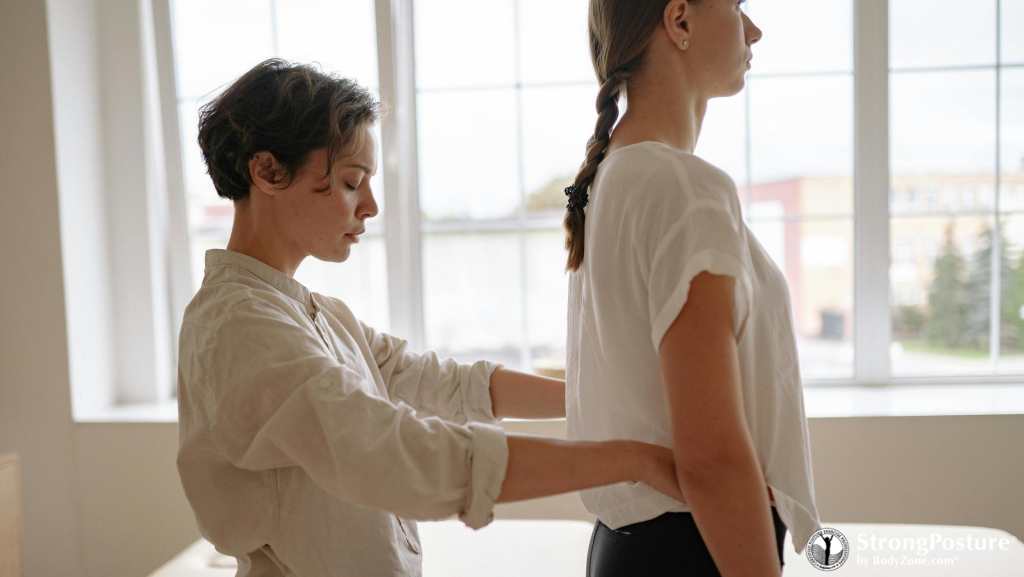
How you hold your body molds your body—inside out and outside in. This fundamental insight anchors the StrongPosture® methodology. This concept is readily embraced by most patients, and nearly all neuromusculoskeletal professionals. Our clinical challenge lies in creating actionable connections between an individual’s internal landscape of perception, and the external postural expression of the physicality of their body’s alignment—and vice versa.
This relationship transcends simplistic mind-body or body-mind dichotomies. Rather, it represents an integrated, moment-to-moment dance between perception and expression. Recent functional MRI studies reveal significant alterations in the cerebellum, as well as temporal, frontal, and motor cortical regions in patients with postural imbalances. The research paper “Brain Activity of Spinal Sagittal Imbalance Patients Based on Resting State fMRI” suggests that functional neuroimaging can serve as a “potential biomarker for further elucidating the neuropathological mechanisms, clinical diagnosis, and targeted treatment of patients with sagittal imbalance.”

Further research published in “Differences in Body Positional Bilateral Symmetry Between Stance and Supine Positions, and the Impact of Attention and Awareness on Postural Symmetry” demonstrates that “focusing attention into symmetry improves body positional bilateral symmetry.” In other words, paying attention to something makes it relevant to the nervous system. This insight supports that, in addition to the proprioceptive input, there’s an interoceptive component of postural rehabilitation as well. It’s not either-or, it’s both.
The Perception-Reality Gap in Clinical Practice
Try this clinical experiment: Inform a patient that you’re observing their posture, and watch as they attempt to “improve” it. Their response typically manifests either as a minor improvement or, more likely, as an exaggeration of compensatory or adaptive postural patterns.
What’s happening? Their internal somatic perception—their interoceptive awareness—doesn’t align with the external expression of their posture.
Unfortunately, even if someone expends efforts that improve posture, the effect is quite temporary.
Research published in “Functional Patterns and Postural Balance Among Young Women with Chronic Non-Specific Low Back Pain, and in Healthy Individuals” (Adamik) concluded that “Individuals reporting chronic low back pain demonstrate poorer quality of performing functional patterns and postural stability compared to healthy ones,” and that “This can have direct impact on the reduction or delay of pain occurrence.” As global biomechanical asymmetry increases, so does asymmetry of load, which exacts the physiological toll often leading to neuromusculoskeletal issues. Just as unevenly worn shoes both result from, and contribute to, asymmetric wearing of the soles, uneven mechanical somatic stress can precipitate back and lower extremity dysfunction.
Interoceptive Posture Pictures (IPPs): A Novel Strategy to Bridge Perception and Reality
These studies and numerous others validate the logic and simplicity of our Frontiers of Neuroscience paper, “Interoceptive Posture Awareness and Accuracy: A Novel Photographic Strategy Towards Making Posture Actionable”. An Interoceptive Posture Picture (IPP) uses the basic camera app on any modern phone to connect with patients, stimulate compliance, and bridge the gap between someone’s perception of their body and reality through three integrated processes:
- Feeling Functional Asymmetry
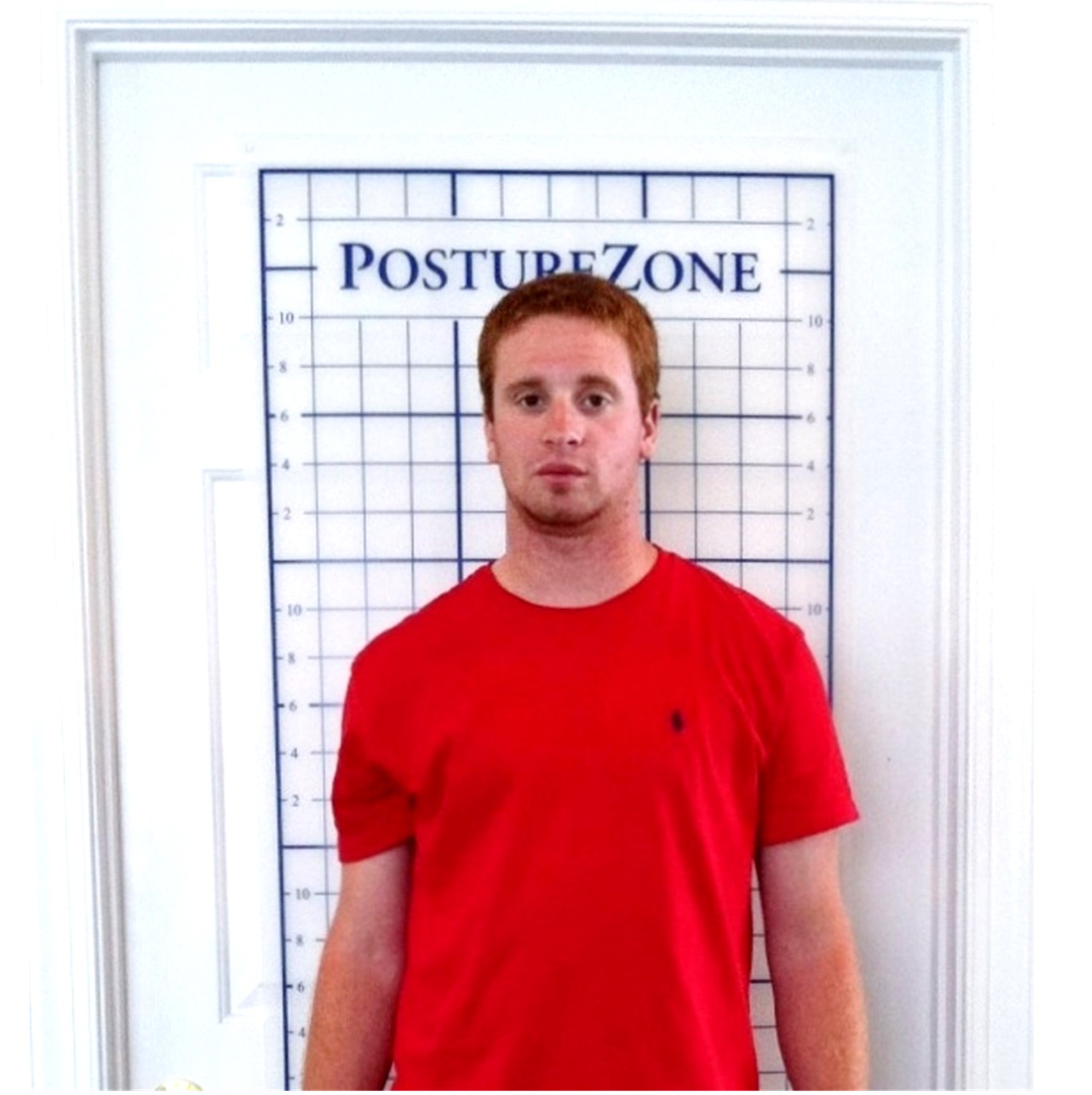
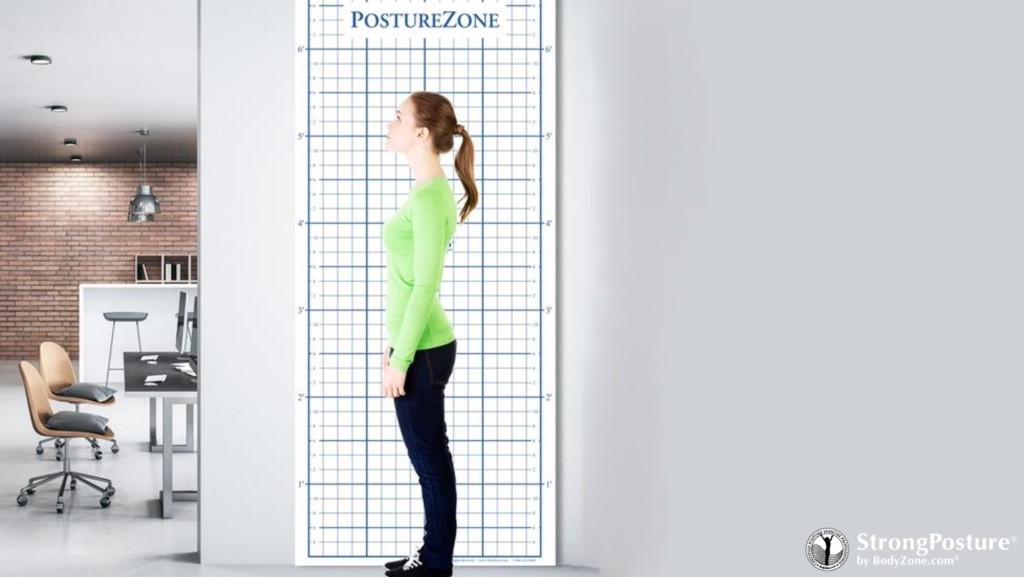
Single-leg balance testing allows patients to directly experience their functional asymmetry—often a surprising revelation whether they notice general instability or perceive specific pattern asymmetry when systematically focusing attention on their zones of postural mass (Head, Torso, Pelvis, and Feet—the 4 PostureZones®). - Objectively seeing the Structural Asymmetry of Functional &/or Perceptual Asymmetry
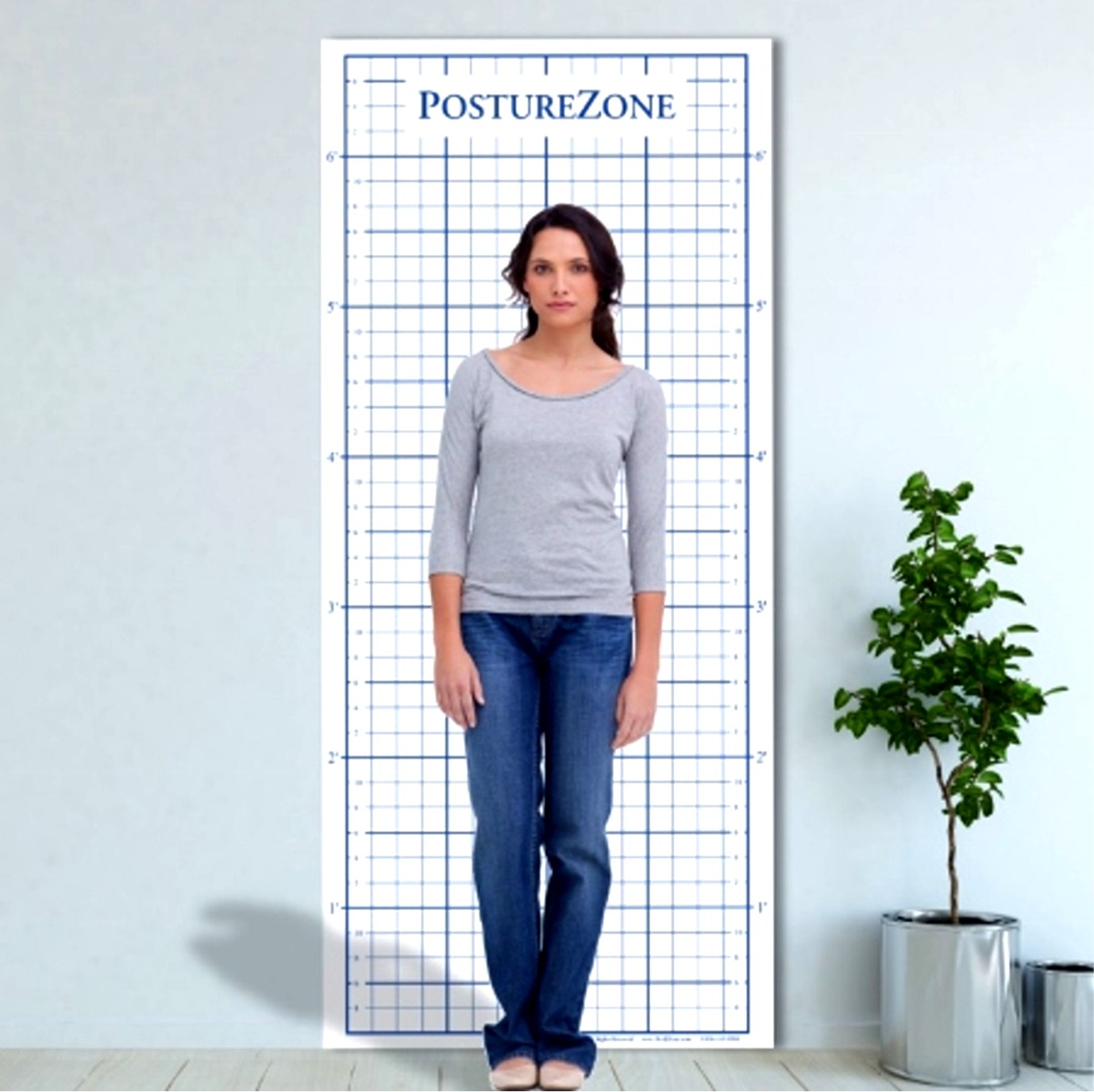
Benchmarking and tracking asymmetric deviation from centerline of PostureZones® visualizes their expression of the perception of maintaining single leg balance. While capturing anterior and lateral posture images with specialized applications can reveal visible asymmetry, it’s often dismissed as “just the way I am,” clinically irrelevant, or not actionable (or worse, pathologized to justify unnecessary intervention). - Connecting Perception with Reality
The critical clinical value emerges when demonstrating the external expression of balance against a standardized grid, which allows clinicians to objectively SHOW patients the asymmetry of each ZPM/PostureZone® deviation. This visual feedback prompts patients to correlate what they SEE with how the asymmetry FEELS—engaging not only proprioceptive but critically, interoceptive awareness as well.
For further information on implementing IPPs and understanding the role of interoception, see The BodyMind of Interoception, Pain and Posture
Connecting how it FEELS to balance one’s body with how the body LOOKS is a powerful strategy to behaviorally engage patients. In addition to passive therapy to restore potential motions, mindfully performing exercises with attentional focus towards symmetry in both perception and expression (ie Tai Chi, yoga, StrongPosture® clinical exercises, Pilates) are a pathway to strengthen the perceptual-motor, body-mind connection.
Such an interoceptively-informed approach to strengthening somatic symmetry and postural awareness enhances the perception and expression of balance. The clinician or trainer facilitating the person’s reconnection with their body earns trust and credibility by creating somatic patient experiences towards reducing biomechanical stress and pain. Empowering someone with low tech tools for self-efficacy bolsters any therapeutic relationship, building a personal alliance that extends beyond symptom management to address the fundamental biobehavioral patterns underlying postural dysfunction, and bridging the gap between interoceptive awareness and external reality.

Dr. Steven Weiniger
Dr. Steven Weiniger is a leading posture expert who developed the StrongPosture® rehabilitation methodology. He’s trained thousands of healthcare providers worldwide in evidence-based posture improvement techniques. His recent paper “Interoceptive posture awareness and accuracy: a novel photographic strategy towards making posture actionable,” was published in Frontiers in Neuroscience. Dr. Weiniger’s work has been featured across major media networks and healthcare journals, and captured in his book, Stand Taller Live Longer.
REFERENCES:
Brain Activity of Spinal Sagittal Imbalance Patients Based on Resting State fMRI.,Chenglong Xie 1 2, S. L., Yifeng Shi 1 2, Shuhao Zhang 1 2, Chongan Huang 1 2, Aiqin Wu 1 3, Xiaozheng Liu 1 3, Xiangyang Wang 1 2. PMID: 40231519 DOI: 10.1097/ SPINE (2025). BRS.0000000000005357.
Adamik, A., & Mikołajczyk, E. (2024). Functional Patterns and Postural Balance in Young Women With Chronic Non-Specific Low Back Pain and Healthy Individuals. Rehabilitacja Medyczna, 28(1), 0.
Siegler, A., Pick, C. G., & Been, E. (2019). Differences in body positional bilateral symmetry between stance and supine positions, and the impact of attention and awareness on postural symmetry. Gait Posture, 68, 476-482.
Weiniger, S. P., & Schilaty, N. D. (2024). Interoceptive posture awareness and accuracy: a novel photographic strategy towards making posture actionable. Front Neurosci, 18, 1359594.