As therapists, we have many tools at our disposal to help motivate and encourage our clients on their journeys of healing and growth. One powerful yet often overlooked technique is observing and providing feedback on posture. The way someone holds themselves offers nonverbal cues and can reflect their inner state of mind and confidence levels. By consciously integrating posture into our therapeutic approach, we can reinforce positive change and bolster self-esteem.
The link between posture and psychology is strong. In fact, studies show physical posture can effect motivation and emotions? Note how we describe confident, happy people as “standing tall” while those struggling tend to be “weighed down” or have “drooping shoulders.” These metaphors exist because posture quite literally embodies our mindset. Poor posture can undermine assertiveness and promote a defensive, anxious inward focus. In contrast, an upright, open stance projects self-assurance and readiness to engage with the world.
Posture in Mental Health Evaluations
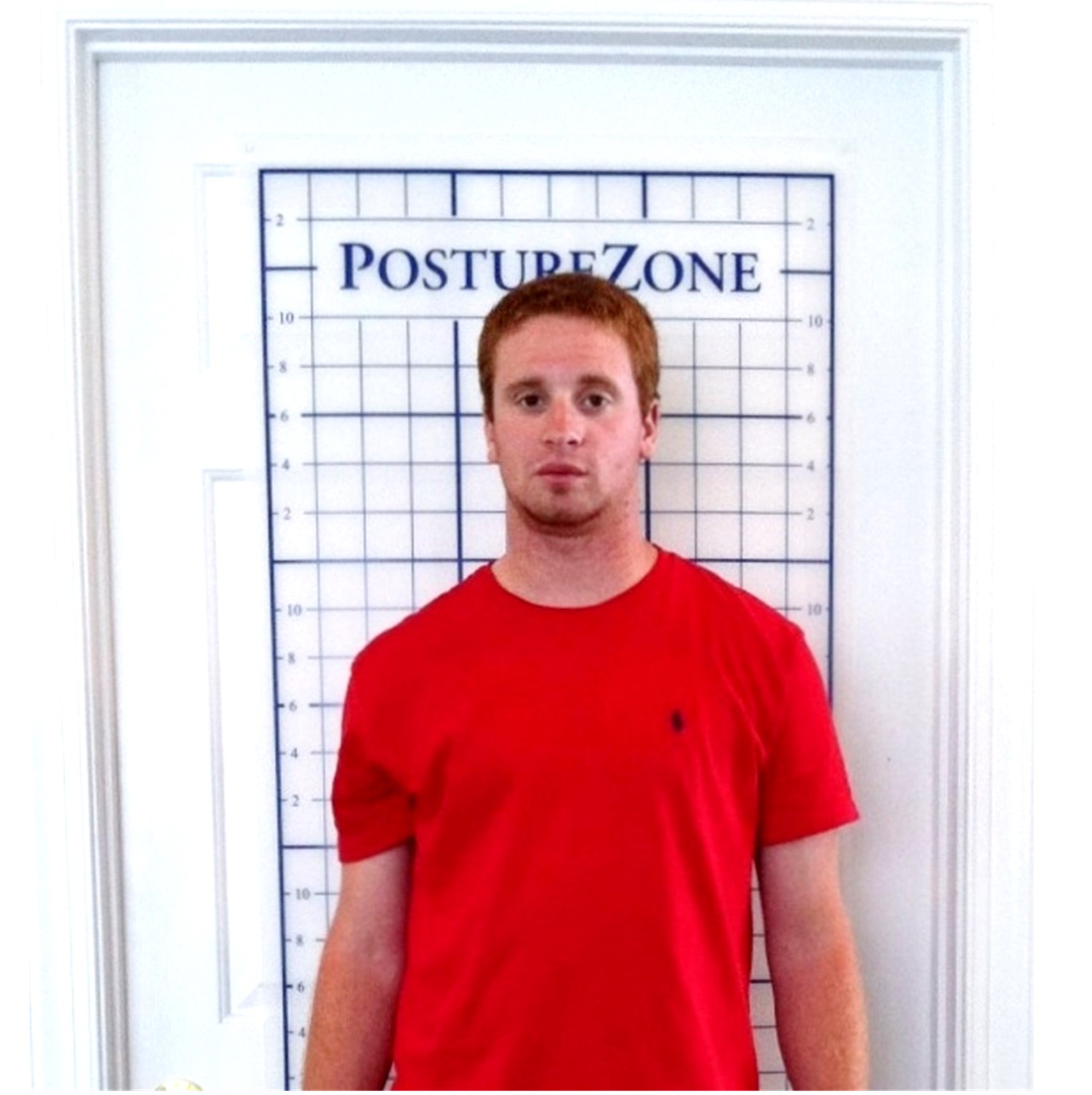
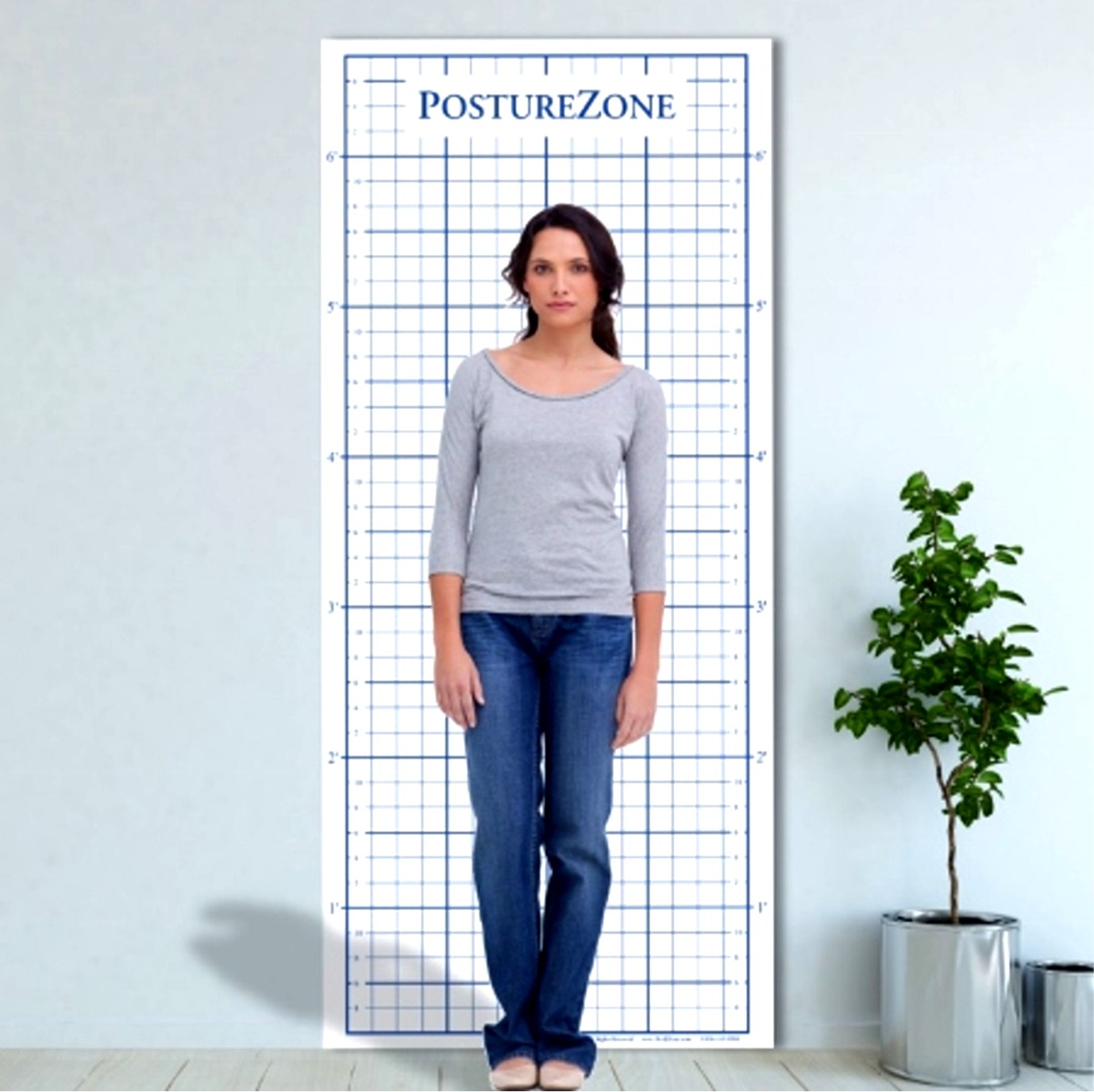
This is why assessing each client’s posture from the very first session is invaluable. As they enter the room and throughout the intake process, observe their stance, shoulder position, walking gait, and any adjustments as they sit down. Even subtle slouching or rigidity can signal inner turmoil. Create a simple posture assessment rubric to document these observations and use as a baseline. You can formalize this process by taking a quick posture picture with the client standing in front of a posture assessment grid. A door grid is a good option for most practices because it’s tucked away until you need it.
Then, as therapy progresses, continue noting changes in posture and body language during subsequent sessions. Looking more upright and standing tall and relaxed with shoulders back may reflect reduced anxiety and shame as psychological burdens are released. When you detect incremental improvements, point them out in an encouraging way. “I’ve noticed you’ve been holding yourself taller lately – that must feel empowering as you work through these tough issues.” Linking posture observations to therapeutic breakthroughs can reinforce their importance.
Correcting Posture to Improve Self-Image
You can even directly incorporate posture reinforcement into the session. If a client is slumped over, have them practice sitting up straight and appreciate how it makes them feel more grounded and open. Suggest posture-strengthening exercises for homework. Discuss how body language not only reflects our inner state, but can positively impact mood, confidence and how we’re perceived by others.
Motivate Client with Posture Improvements
Of course, posture observation should be one tool among many in your repertoire – context is key. Someone struggling with depression may exhibit poor posture that gradually improves. But trauma survivors may adapt defensive postures for safety that should only be gently explored when trust is built. Follow the client’s lead while using your clinical skills.
By accentuating posture awareness and improvements, we can instill powerful subliminal messages of strength, determination and self-belief. Something as simple as how we carry ourselves can then become metaphor for resilience. Each upright stance is an act of courage to face the world head-on, reinforcing the liberating work being done in therapy. What better motivation could there be?