Clinical Value of Posture Assessments for Neurologists
As neurologists treating disorders impacting the central and peripheral nervous systems, you understand the vital connection between posture, gait, and neurological function. Integrating postural photogrammetry into your standard patient evaluations can provide significant clinical value. Posture analysis can be integrated in both clinical practice and hospital environments.
Posture-Neuro Assessment
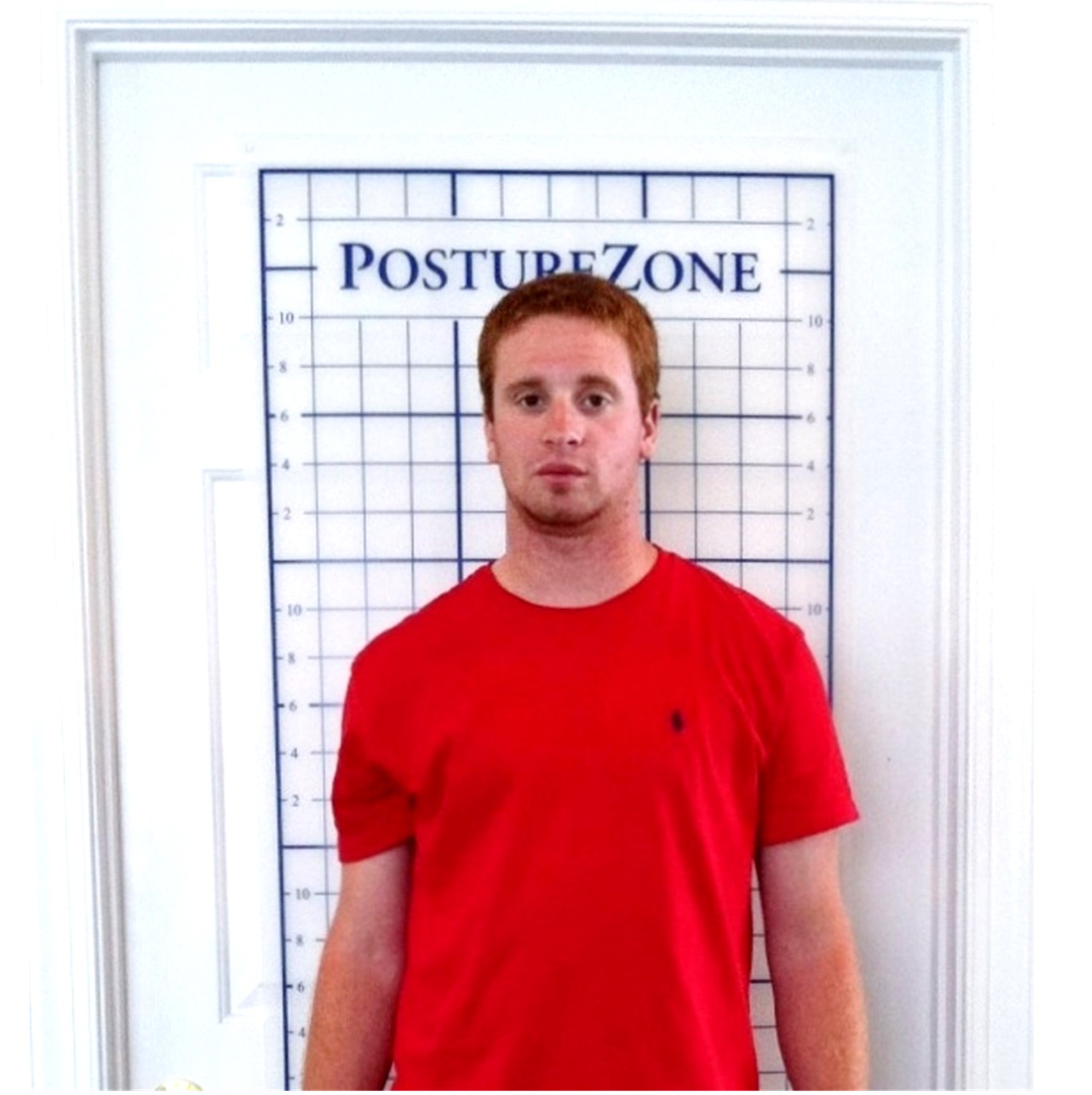
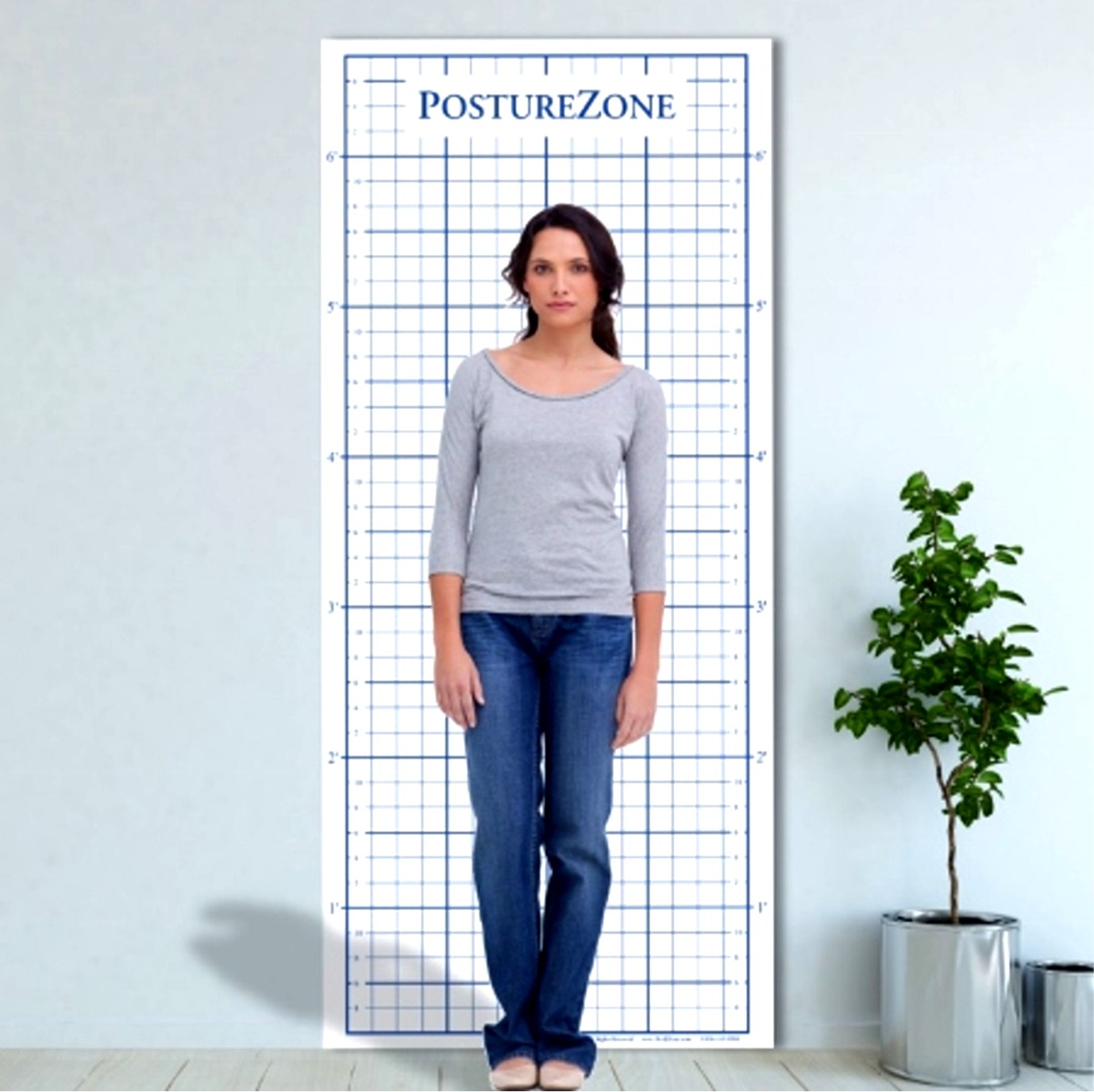
During initial and follow-up visits, a postural analysis using a wall grid captures anterior-posterior, posterior-anterior, and lateral views of patients standing in a natural position. Compare photos over time to monitor changes and inform treatment plans.

Parkinson’s Disease
For Parkinson’s Disease, postural instability, stooped posture, and shuffling gait require management through neuroprotective medications, deep brain stimulation, and physical therapy. Changes in body posture and balance over time provide important data on disease progression and medication efficacy.
Multiple Sclerosis
In Multiple Sclerosis, abnormal posture and spinal alignment result from weakness and spasticity. The intensity of MS symptoms can be gauged via measurable postural deviations documented during assessments. This helps guide medication and rehab interventions.
Cerebral Palsy
With Cerebral Palsy, common postural asymmetries, scoliosis, and hip disorders are addressed through antispasmodic medications, bracing, or surgery. Posture analysis identifies emerging or worsening musculoskeletal issues for early intervention.

Stroke
For Stroke, hemiplegic gait patterns and postural imbalances respond best to prompt rehabilitation and continued physical or occupational therapy. Comparing pre- and post-stroke posture informs recovery prognosis and therapy needs.
Epilepsy
In Epilepsy, post-ictal postural instability indicates medication management needs. Documenting the duration and severity of posture changes post-seizure provides medication regimen guidance.
Vertigo
For Vertigo, posturography assessments diagnose and manage balance and dizziness issues. Tracking and recording posture changes helps determine efficacy of treatments like vestibular rehabilitation therapy.

Muscular Dystrophy
With Muscular Dystrophy, spinal alignment and weight distribution changes reveal disease progression. Regular posture documentation helps time interventions like steroids, surgeries, and mobility aids.
Spinal Cord Injuries
For Spinal Cord Injuries, posture wheelchair integration and body alignment management are key. Ongoing posture screenings identify equipment and physical therapy needs.
Posture Photogrammetry
Incorporating posture photogrammetry evaluations into neurology practice provides objective data to inform diagnosis and treatment guidance. Documented posture photos are also powerful for patient communication, insurance records, research, and coordinating multi-disciplinary care teams. The benefits for clinical outcomes and patient relationships make posture analysis a best practice for neurologists.
Additional Articles:
Posture Assessment in Neurosurgery and Orthopedics: A Pivotal Element in Pre and Post-Surgical Care
Posture Pictures: Posture Assessment, Screenings, Marketing & Forms