In the dynamic realm of neurosurgery and orthopedics, the significance of posture assessment cannot be overstated. Integrating posture analysis, augmented by the use of a posture grid, serves as a fundamental pillar in pre and post-surgical care, offering nuanced insights and optimizing patient outcomes.
-
The Precision of Posture Assessment:
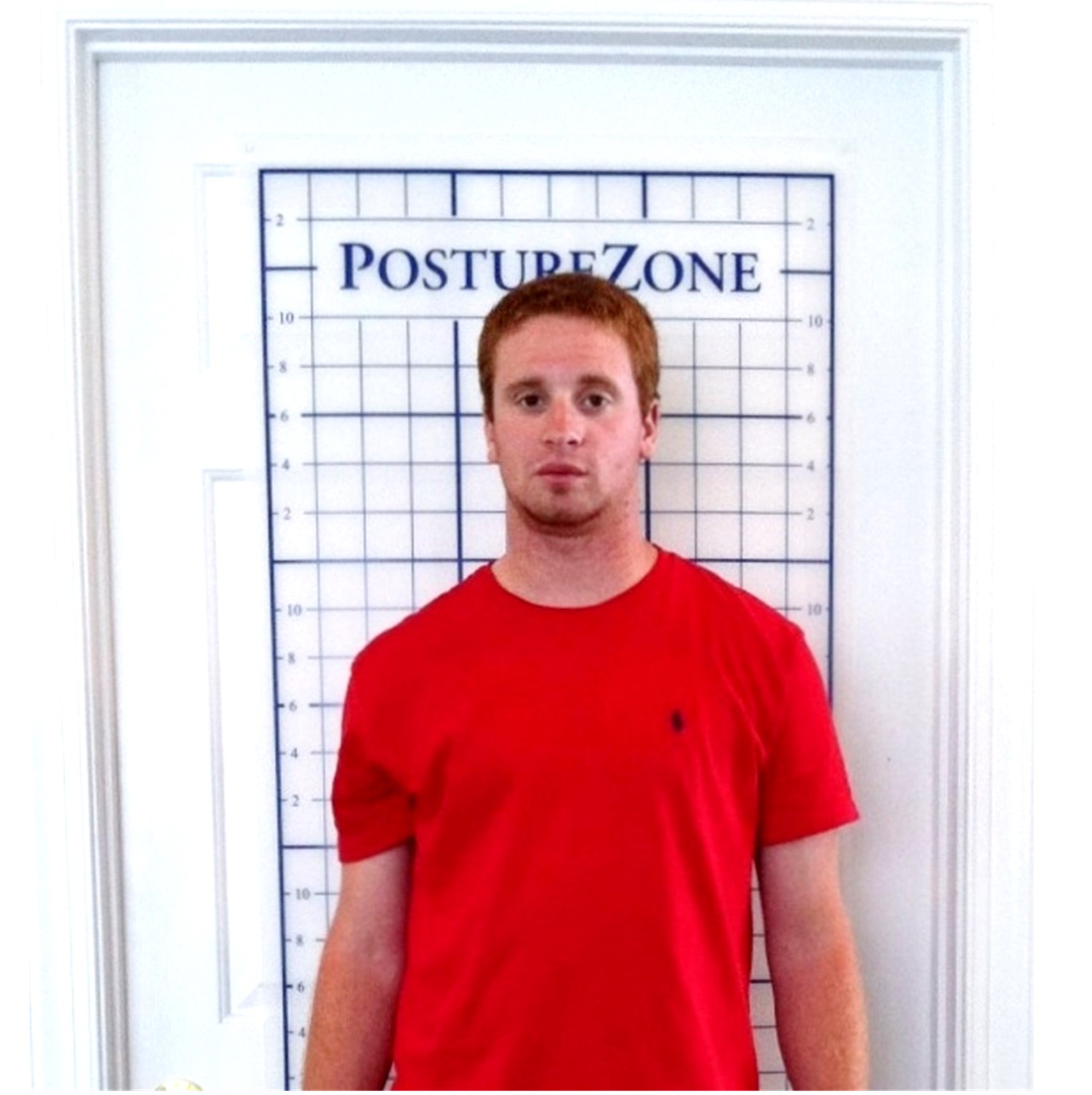
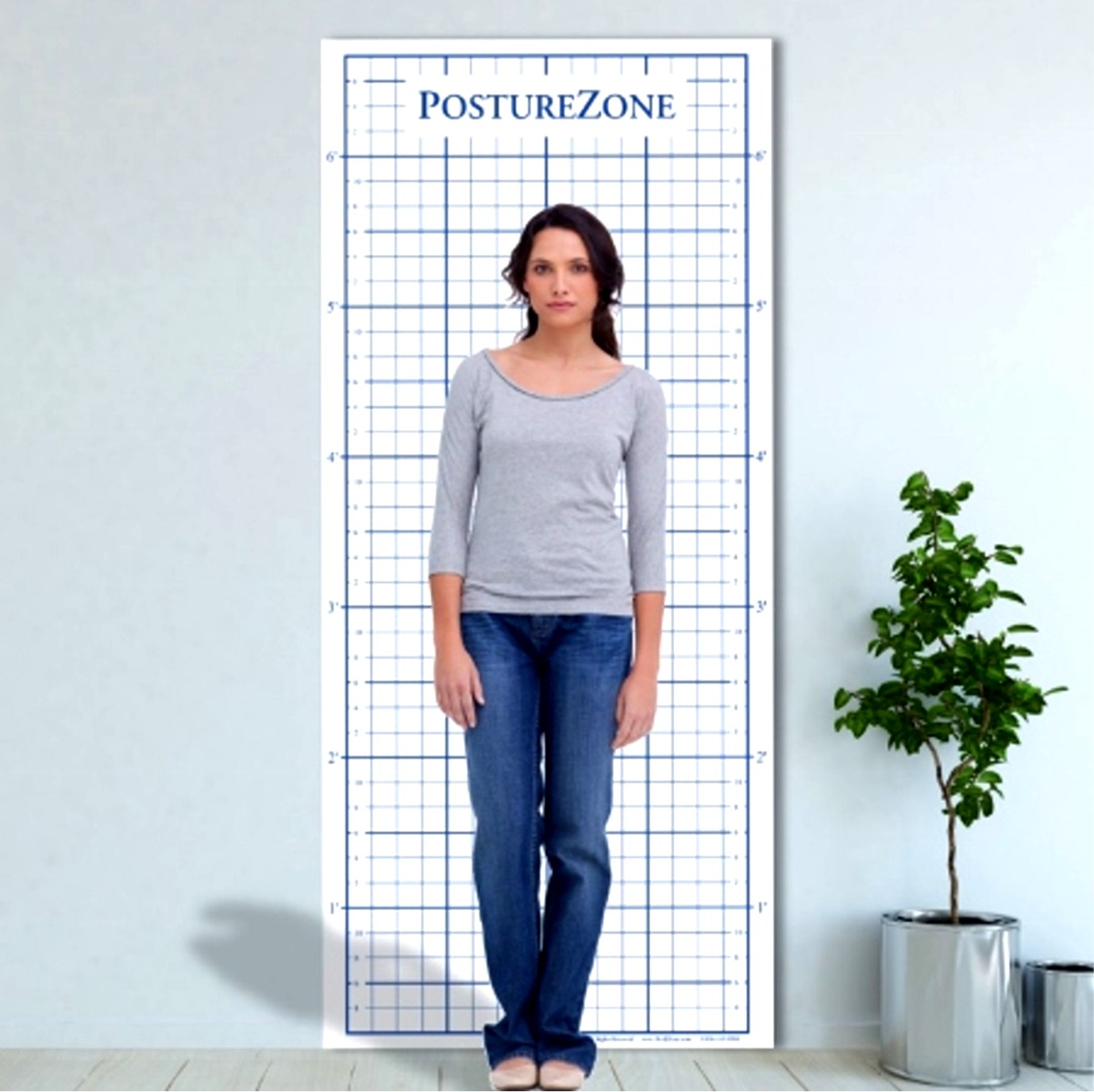
As neurosurgeons and orthopedic surgeons, you are accustomed to precision in diagnostics and interventions. Posture assessment, facilitated by a posture grid, provides a comprehensive visual framework to analyze musculoskeletal alignment, identifying subtle deviations that may elude traditional evaluations.
-
Utilizing the Posture Grid: A Visual Blueprint:
The posture grid serves as your visual blueprint, delineating key anatomical landmarks and facilitating a systematic evaluation of spinal curvature, limb alignment, and joint positioning. This tool transforms subjective observations into objective data, enhancing the precision of your diagnostic repertoire.

-
Pre-Surgical Planning: A Holistic Approach:
In the pre-surgical phase, posture assessment becomes a crucial component of your holistic approach. Detecting malalignments and postural deviations aids in formulating a comprehensive surgical plan, optimizing procedures for conditions such as spinal stenosis, scoliosis, and degenerative disc diseases.
-
Precision in Spinal Surgery:
For neurosurgeons specializing in spinal surgery, the posture grid becomes an invaluable ally. Assessing spinal curvature, pelvic tilt, and shoulder symmetry informs decisions on surgical approaches, instrumentation, and fusion levels, ultimately contributing to enhanced stability and reduced postoperative complications.
-
Orthopedic Considerations: Joint Alignment and Functionality:
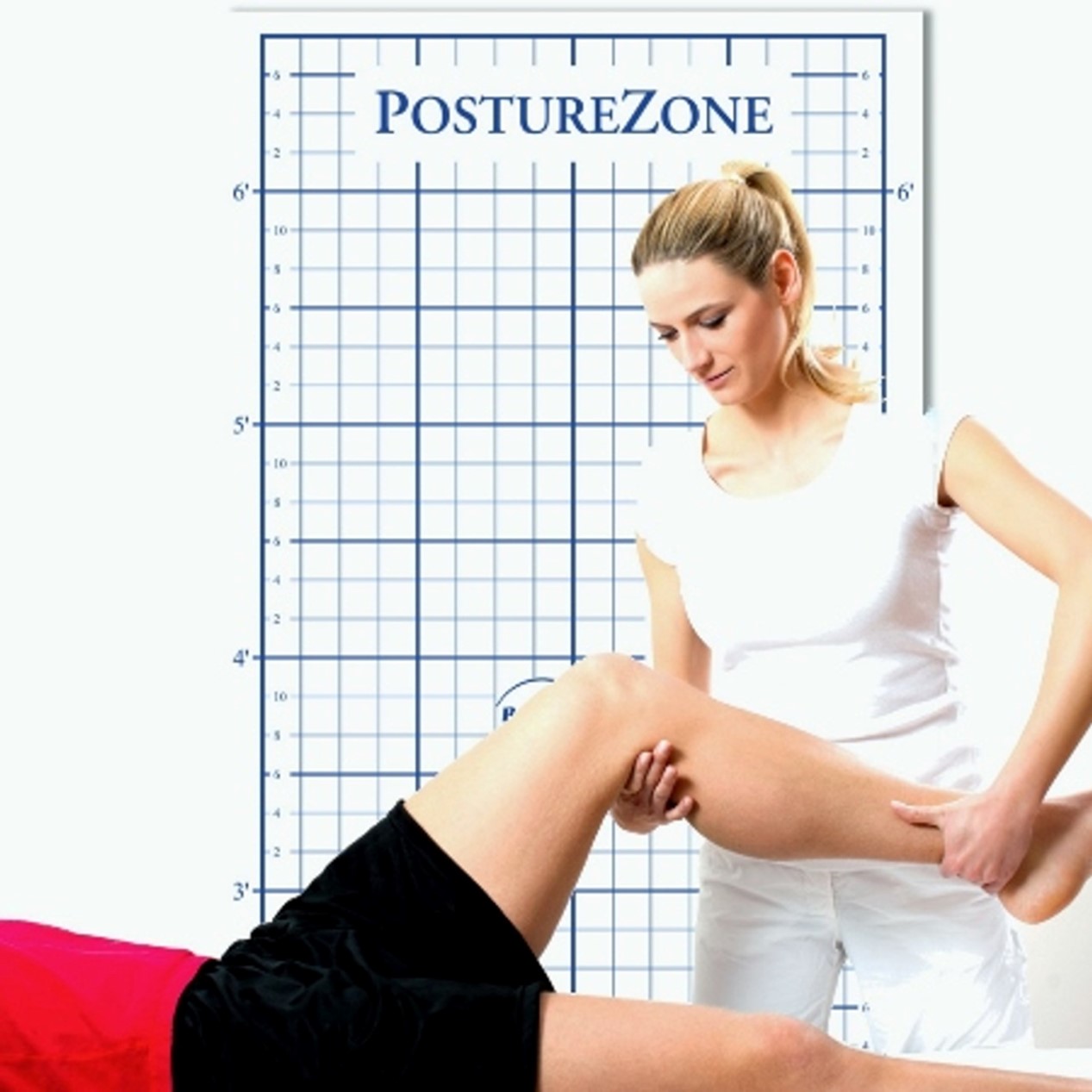
Orthopedic surgeons, particularly in cases involving joints of the extremities, find posture assessment paramount. The posture grid aids in evaluating limb alignment, joint stability, and muscle imbalances, crucial for planning interventions ranging from arthroplasty to ligament reconstructions.
-
Post-Surgical Monitoring: The Role of Posture Assessment:
Post-surgical, the posture grid continues to play a pivotal role. Monitoring changes in posture offers real-time feedback on the effectiveness of surgical interventions. For instance, in spinal fusion cases, tracking the restoration of spinal alignment ensures optimal biomechanical outcomes.

-
Addressing Degenerative Conditions: A Longitudinal Perspective:
In the context of degenerative conditions such as lumbar disc herniation or osteoarthritis, integrating posture assessment longitudinally allows for early intervention. The posture grid becomes a tool for tracking the progression of deformities and adapting treatment strategies to evolving patient needs.
-
Collaborative Care: Neurosurgery and Orthopedics Uniting Forces:
Posture assessment serves as a common ground where neurosurgery and orthopedics converge. Collaborative care, with a shared language facilitated by the posture grid, enhances interdisciplinary communication and ensures a unified approach to patient care. Many post spine surgery rehab providers also utilize photographic posture assessment for follow up comparisons and communications with the surgical team.
-
Enhancing Patient-Provider Communication with Posture Grids in the Hospital Setting:
In the hospital environment, the integration of posture grids transcends its role as a diagnostic tool, becoming a powerful instrument for patient and parent communication. The durability of posture grids ensures their longevity in high-traffic clinical settings, allowing for repeated use without compromise in accuracy. This tool not only serves as a visual aid during consultations but also fosters a collaborative dialogue between surgeons, patients, and their families. Its user-friendly nature facilitates clear and concise explanations of postural deviations and planned interventions. Furthermore, recognizing the paramount importance of infection control, posture grids are designed to be easily sanitized, aligning seamlessly with stringent hospital protocols. As a tangible and interactive element in the patient-physician relationship, the posture grid becomes a bridge, translating complex surgical concepts into accessible, understandable information for patients and their families, ultimately fostering a sense of empowerment and informed decision-making.

In the intricate tapestry of neurosurgery and orthopedics, posture assessment emerges as a cornerstone in the continuum of care. The judicious use of a posture grid empowers you, the surgeon, to unravel complexities, optimize surgical plans, and contribute to the holistic well-being of your patients. Embrace posture assessment as an art and science—a lens that sharpens your diagnostic acumen and refines your surgical precision.