Natural and DIY Approaches
Natural teeth whitening methods offer accessible, cost-effective alternatives to professional treatments. Oil pulling, an ancient Ayurvedic practice involving swishing oil (typically coconut or sesame) in the mouth for 15-20 minutes, may help reduce plaque buildup that contributes to yellowing. Baking soda, a mild abrasive with natural whitening properties, can be used occasionally by mixing with water to form a paste.
Activated charcoal has gained popularity for its ability to absorb surface stains, though it should be used cautiously to avoid enamel damage. Apple cider vinegar, when diluted properly and used as a brief rinse, may help remove surface stains but should be followed by thorough water rinsing to prevent acid erosion.
Consuming crunchy fruits and vegetables like apples, carrots, and celery can help naturally scrub teeth surfaces during chewing. Maintaining proper oral hygiene through regular brushing, flossing, and limiting stain-causing foods and beverages remains fundamental to any natural whitening regimen.
Over-the-Counter Products
Whitening toothpastes contain mild abrasives and chemical agents like hydrogen peroxide to remove surface stains. While generally safe for daily use, results are typically modest compared to more intensive treatments.
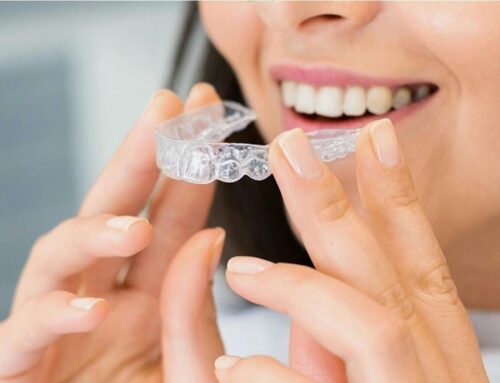
Whitening strips adhere directly to teeth, releasing peroxide-based whitening agents over time. These provide more noticeable results than toothpastes but may cause temporary tooth sensitivity. Whitening trays and gels allow for customizable application but require careful use to avoid gum irritation.
Professional Dental Treatments
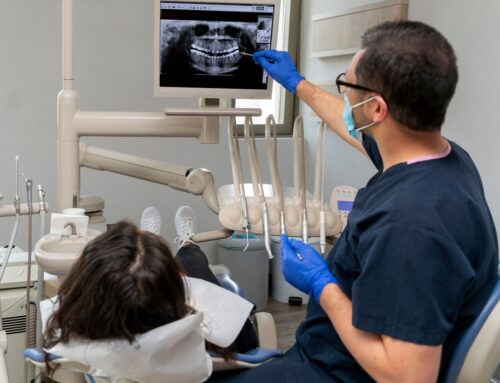
In-office bleaching delivers dramatic results in a single visit. Dentists apply highly concentrated hydrogen peroxide gel (15-35%) while protecting soft tissues, often activating the solution with special lighting. This procedure typically achieves 3-8 shades of whitening.
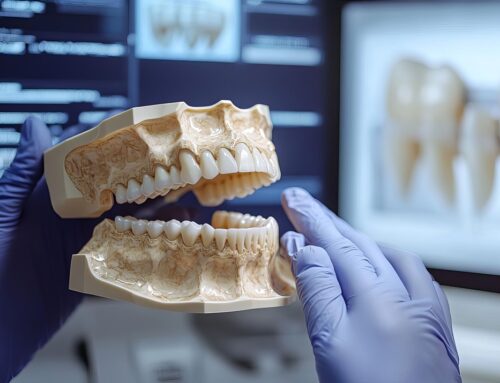
Custom-fitted take-home trays prescribed by dentists provide professional-grade results with less intensity. These contain lower-concentration peroxide gel (10-15%) and are worn for longer periods, balancing effectiveness with reduced sensitivity.
For severe discoloration, especially from tetracycline use or fluorosis, dental veneers may be recommended. These thin porcelain shells permanently cover the front tooth surface, instantly creating a uniformly white appearance.
Maintaining Your Results
Regardless of whitening method, results can be extended by:
- Limiting stain-causing foods and beverages (coffee, tea, red wine)
- Using straws when consuming potentially staining drinks
- Quitting tobacco products
- Practicing excellent oral hygiene
- Scheduling regular dental cleanings

Considerations Before Whitening
Teeth whitening is not recommended for:
- Children under 16
- Pregnant or lactating women
- Individuals with untreated decay or gum disease
- People with worn enamel or exposed roots
- Those with dental restorations (results will be uneven)
- Problems with peroxide on teeth
Consulting with a dental professional before beginning any whitening regimen helps ensure safety and optimal results.
Embracing Natural Variation and Holistic Confidence
It’s important to recognize that teeth naturally come in varied shades, typically ranging from light grayish-yellow to yellowish-white. This natural diversity reflects genetic factors, thickness of enamel, and other biological variables. The gleaming, perfectly uniform white smile often portrayed in media represents an artificial standard rather than a biological norm. For those committed to organic, holistic living, accepting this natural variation aligns with broader principles of embracing one’s authentic self.
Studies suggest that while a bright smile can influence first impressions, overall confidence projects through multiple channels. Improving posture communicates self-assurance immediately (in fact many holistic dentists include a dental posture exam as part of their diagnostics), while regular exercise releases endorphins that naturally enhance mood and perceived confidence. Mindfulness practices reduce anxiety that might otherwise manifest as social hesitation. Developing communication skills and focusing on personal strengths often yields more meaningful confidence improvements than cosmetic changes alone.
Rather than pursuing potentially harsh whitening treatments, consider whether your desire for whiter teeth stems from internal satisfaction or external pressures. If you do choose whitening, select methods aligned with your overall health philosophy, recognizing that true confidence radiates from holistic well-being rather than any single physical attribute.
Safety issues of tooth whitening using peroxide-based materials.” British Dental Journal. 2013 Jul;215(1):29-34. doi:10.1038/sj.bdj.2013.629