Proper posture is necessary for maintaining a healthy musculoskeletal system and preventing pain and discomfort. As orthotists, prosthetists, and pedorthists, you play a vital role in helping your patients achieve good posture and alleviate any pain or discomfort they may be experiencing.

Tools to Improve Orthotists, Prosthetists & Pedorthists Outcomes
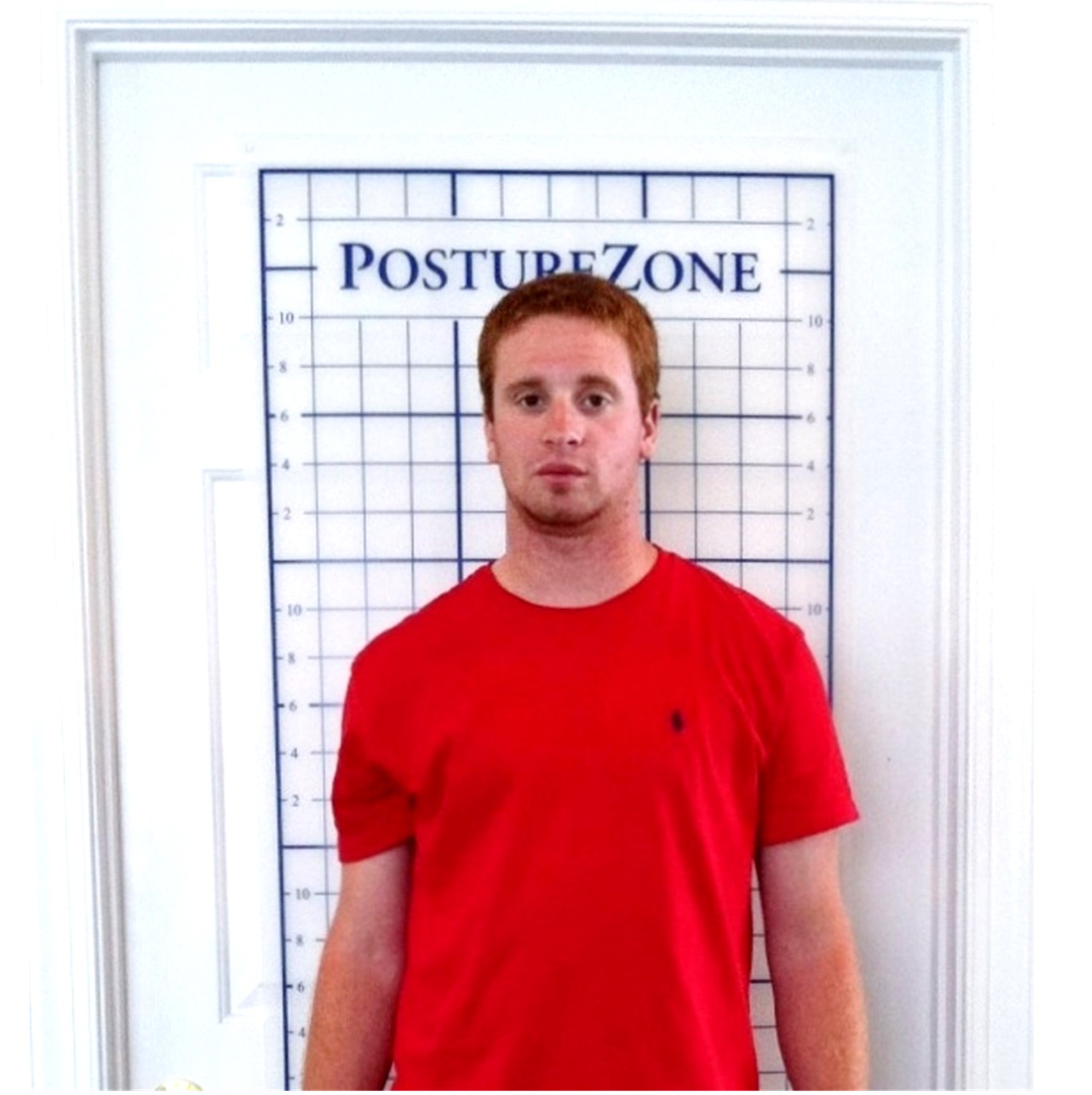
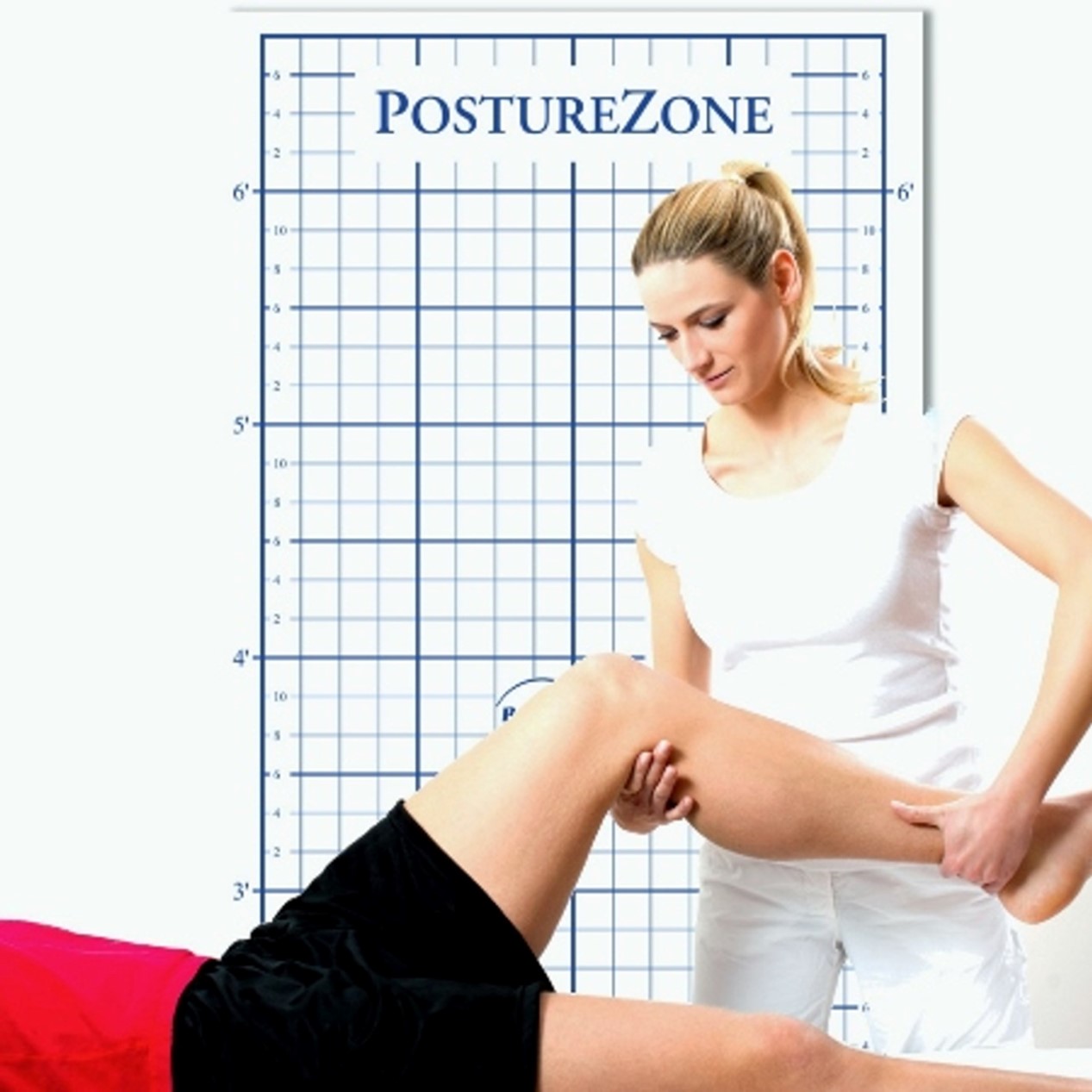
One tool that you can use to assess your patients’ posture is a posture assessment grid. This tool measures the angles of the body’s various joints and provides a visual representation of the patient’s posture. Using this information, you can design and create custom orthotics, prosthetics, or footwear that will improve your patients’ posture and prevent pain and discomfort.
Orthotic and Prosthetic Design
When designing custom orthotics, prosthetics, or footwear, it’s important to take into account the unique needs of each patient. For example, a patient with flat feet may require custom orthotics that provide arch support and help distribute weight evenly across the feet. Similarly, a patient with a prosthetic limb may require a prosthetic device that is tailored to their individual needs and preferences. Taking the next step of before and after postural analysis will allow the practitioner to better customize the design, and at the fitting more accurately adjust the device to optimize the clients standing posture.
This is important because any changes in the kinetic chain brought about by the prosthetic or orthotic will cause adaptations in how the person moves. You want to be sure the changes are providing the best posture support long-term or the client will suffer the impacts of worsening posture, uneven wear and possibly balance issues as well.
In addition to designing and creating custom orthotics, prosthetics, or footwear, you can also provide your patients with tips on how to maintain good posture throughout the day. For example, you can encourage them to take frequent breaks from sitting, adjust their workstation setup, and practice good posture habits during daily activities.

Posture Assessment
By assessing your patients’ posture and providing them with custom devices, braces or footwear, as well as tips on how to maintain good posture, you can help them achieve better posture and improve patient satisfaction and outcomes. This can lead to improved mobility, increased confidence, and a better quality of life for your patients.