Dentistry is a profession that focuses on oral health and the overall well-being of patients. Dentists spend a significant portion of their day diagnosing and treating various dental conditions, which often requires them to maintain uncomfortable and strained positions. While dentists are primarily focused on providing excellent care to their patients, the demanding nature of their work can take a toll on their own health, particularly their posture.
Awareness towards musculoskeletal disorders (MSDs) and the biomechanical connections between posture and head or palate position in the dental field has increased considerably in recent years. These impacts reach all those in the dental profession including Oral and Maxillofacial Surgeons, Orthodontists, Periodontists, Endodontists, Prosthodontists, Pediatric Dentists, Oral Pathologists, Dental Anesthesiologists.
The Importance of Good Posture
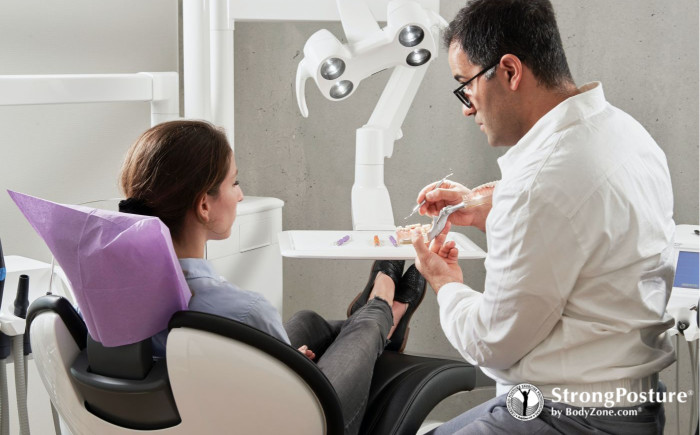
Maintaining proper posture is crucial for overall musculoskeletal health and preventing pain and discomfort. Poor posture during long hours of dental procedures can lead to a wide range of problems, including neck and back pain, headaches, shoulder tension, and even nerve impingement. These issues not only affect the dentist’s physical well-being but also have the potential to diminish their professional performance and quality of life.
Factors Influencing Dentists’ Posture
- Prolonged static positions: Dentists often find themselves leaning forward or hunching over patients for extended periods, leading to an increased risk of postural imbalances.
- Repetitive motions: The repetitive nature of dental procedures, such as bending, twisting, and reaching, can strain muscles and joints over time, contributing to poor posture.
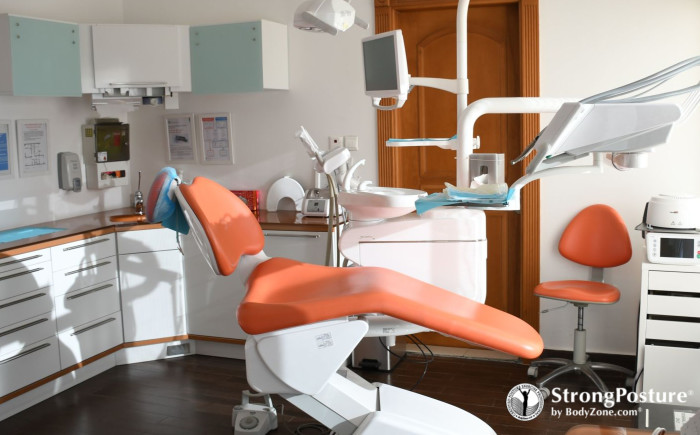
- Equipment and workspace design: Inadequate ergonomic equipment, poorly designed dental chairs, and improper positioning of tools and instruments can exacerbate postural stress and strain.
Posture Assessment in Dentistry
Assessing and monitoring posture in dentistry is a crucial step in identifying potential issues and implementing preventive measures. Patients aren’t the only ones who are helped with posture assessments during a comprehensive dental exam. Dentists can benefit from conducting regular posture assessments to evaluate their body alignment and identify any deviations or imbalances that may lead to postural problems. These assessments can be done through self-awareness, observation by colleagues or ergonomic specialists, or even by utilizing advanced technologies such as motion sensors and digital imaging.
By actively assessing their posture, dentists can proactively address any concerns, make necessary adjustments to their work environment, and seek appropriate interventions, such as physical therapy or chiropractic care, to correct imbalances and prevent long-term complications. Posture assessment serves as a foundation for dentists to prioritize their well-being and ensure they can continue to provide quality care while maintaining optimal musculoskeletal health.
Posture Assessment in Dentistry – Using Visual Aids: Posture Grids
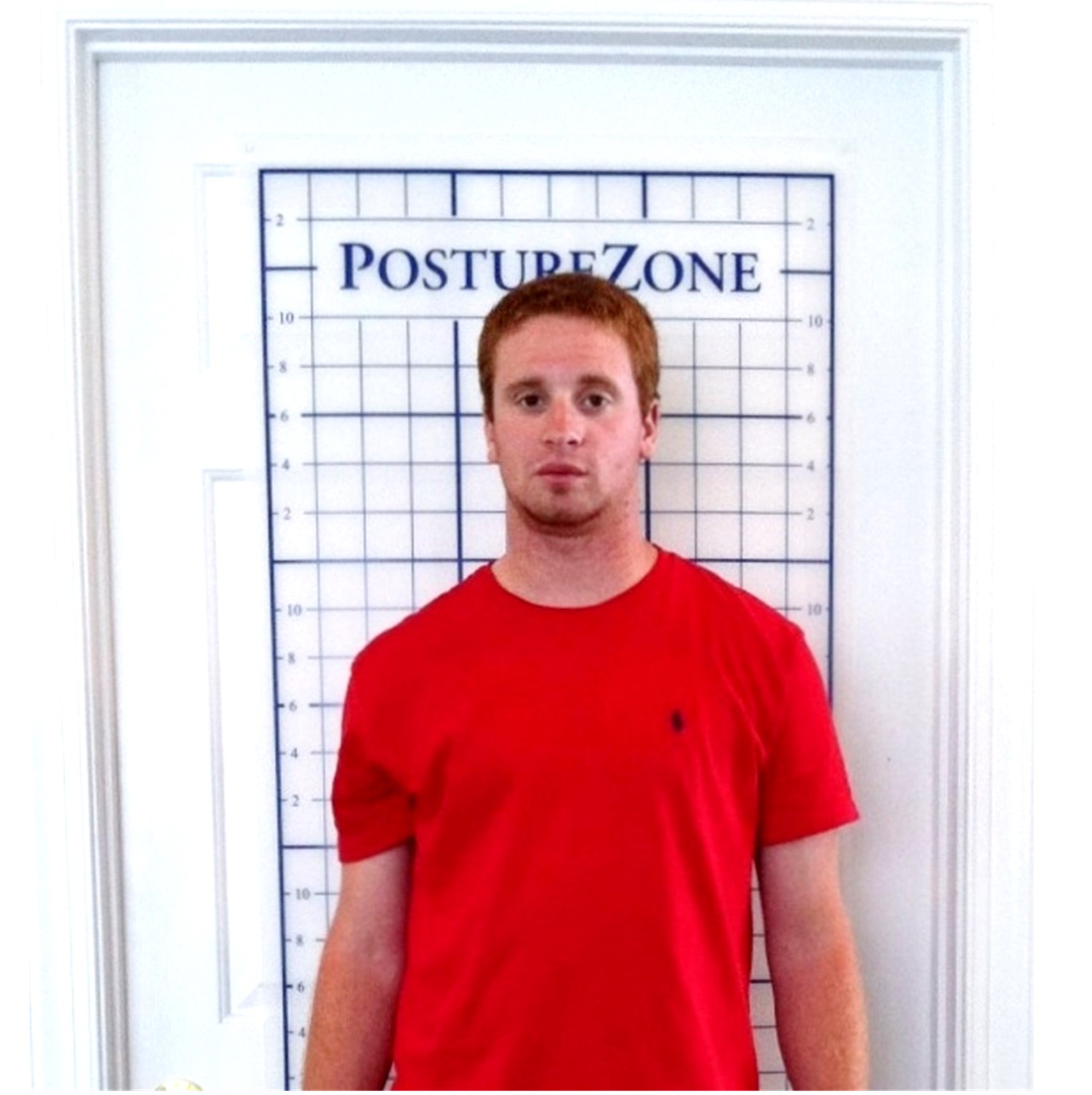
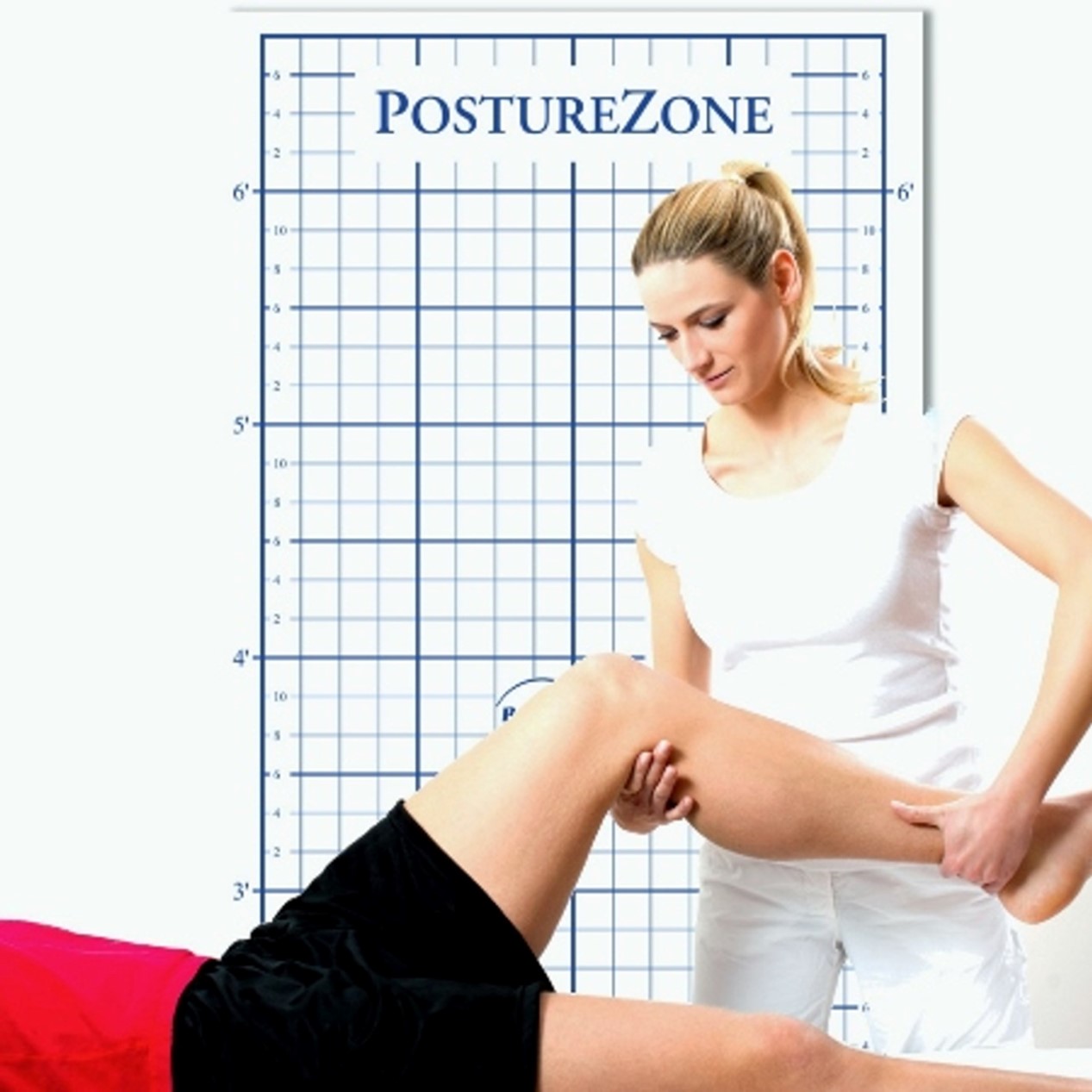
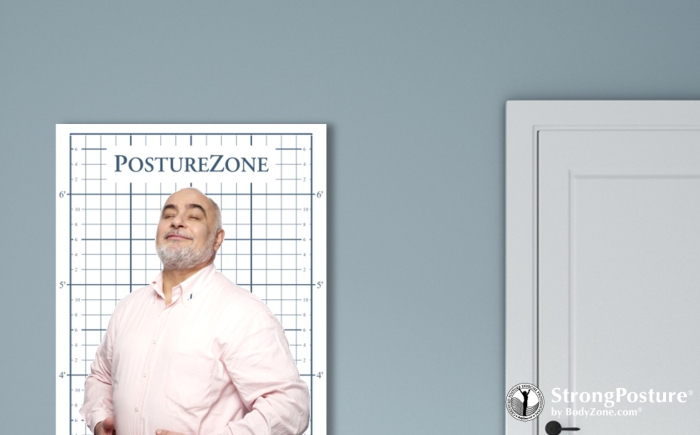
Visual aids, such as posture grids, can be valuable tools for conducting regular posture assessments of dental professionals and staff. These grids consist of vertical and horizontal lines that form a grid pattern, providing a visual reference for assessing body alignment and posture. By implementing a monthly or quarterly posture assessment using a posture grid, dental practices can systematically evaluate the posture of various dental professionals and staff members, including dentists, dental hygienists, dental assistants, and receptionists, and the entire patient team who may include oral and maxillofacial surgeons, dental anesthesiologists, orthodontists, periodontists, endodontists, prosthodontists, pediatric dentists, oral pathologists and speech or language pathologists.
Each profession within dentistry has unique responsibilities and postural demands, making it essential to assess their alignment and make any necessary ergonomic adjustments. By having individuals stand against the grid and observing their posture in relation to the grid lines, deviations or imbalances can be detected, allowing for targeted interventions to improve posture, such as ergonomic equipment modifications, workstation adjustments, or specific exercises and stretches. Regular use of visual aids for posture assessment in dentistry promotes a culture of proactive musculoskeletal health and contributes to the overall well-being and longevity of the dental team.
Many dentistry practices are already using PostureZone door and wall mount posture grids as a part of their initial exam. Implementing a regular screening for doctors and staff is easy and will take only a minute or two per person but yield life-long benefits in awareness, prevention and correction of habits.
Strategies for Maintaining Good Posture
- Ergonomic equipment and workspace design: Dentists should invest in adjustable dental chairs, appropriate stools, and ergonomic instruments to facilitate proper posture during procedures. Optimizing the arrangement of instruments and equipment within reach can minimize unnecessary movements and strain.
- Posture awareness and stretching exercises: Dentists should develop a keen awareness of their posture and make a conscious effort to maintain a neutral spine position. Regular stretching exercises and strengthening activities targeting core muscles can help support good posture and alleviate tension.
- Taking breaks and changing positions: Incorporating short breaks during long procedures allows dentists to stretch, relax their muscles, and reduce the accumulation of postural stress. Alternating between sitting and standing positions can also help alleviate strain on the body.
- Continuing education and professional development: Dentists should stay informed about ergonomics and attend posture seminars or workshops focusing on maintaining good posture. Education on proper posture assessment and posture correction techniques and advancements in dental equipment can assist in adopting healthier work practices.

The Role of Dental Institutions and Manufacturers
Dental schools and professional organizations should integrate ergonomics training into their curriculum to equip future dentists with essential knowledge and skills to safeguard their postural health. Furthermore, dental equipment manufacturers should prioritize ergonomic design, developing products that promote proper posture and minimize the risk of musculoskeletal disorders.
The demanding nature of dentistry places significant stress on dentists’ posture, which can lead to various musculoskeletal problems and impact their overall well-being. By implementing strategies to prioritize good posture, such as investing in ergonomic equipment, practicing posture awareness, and engaging in regular stretching exercises, dentists can minimize the risks associated with their profession.
Simultaneously, dental institutions and manufacturers play a vital role in promoting awareness and providing resources to support dentists in maintaining healthy postures throughout their careers. Ultimately, by prioritizing their own physical well-being, dentists can continue to provide exceptional care while enjoying a long and fulfilling professional journey.