Maintaining joint health is crucial for a fulfilling and active lifestyle as you age. As the body’s natural aging process unfolds, joints can become more susceptible to wear and tear, inflammation, and other degenerative conditions. However, with the right approach and preventive measures, it’s possible to preserve joint health and maintain mobility and comfort well into the later stages of life.
This article explores effective strategies to preserve joint health as you grow older.
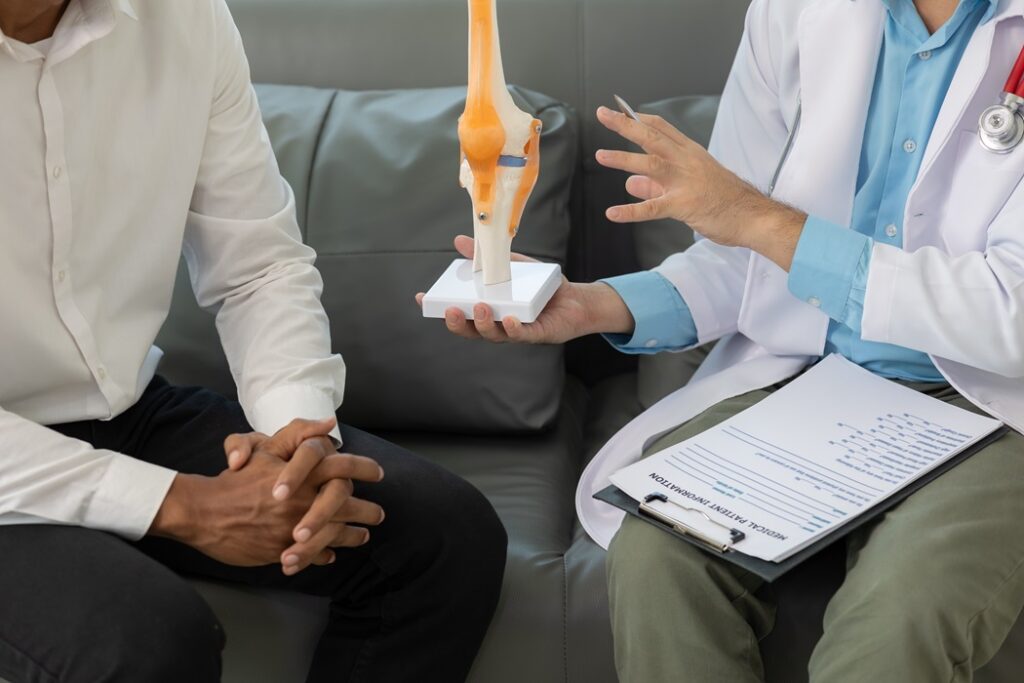
Understanding Joint Health
Joints form the connections between bones by providing support and facilitating movement. Any damage to the joints from disease or injury can interfere with your movement and cause a lot of pain. Some key joints such as the hips, knees, and shoulders are especially prone to issues as you age. Understanding the factors that impact joint health can be the first step in developing a strategy to maintain it.
However, if you’re seeking to solve hip and knee pain, consider exploring online resources or consulting with experienced professionals, which offer a wealth of information on effective pain management strategies.
Effective Strategies To Enhance Joint Health
Enhancing joint health is crucial for mobility and quality of life, especially as you grow older. By adopting effective strategies, you can protect your joints, reduce the risk of pain, and preserve your overall health and independence. Some strategies include:
Keep Training
Regular physical activities are among the most effective ways of maintaining joint health. Exercise can strengthen muscles around joints, thereby relieving them from some stress and improving motion. When it comes to aging joints, low-impact exercises such as swimming, biking and walking can provide required movement without straining too much.
Have A Healthy Weight
Extra body weight exerts high loads on weight-bearing joints like hips and knees that may hasten joint wear processes leading to more pain. By maintaining a healthy weight, there’s less pressure on these bones ensuring osteoarthritis and other joint complications don’t develop.
Efficient weight control includes an appropriate diet plan and involvement in ordinary physical actions such as cycling, swimming or walking. These routines promote normal body mass without inflicting detrimental impacts on feeble knee joints, which ensures lasting performance of joints.
If you’re experiencing joint pain or need guidance on managing your weight to support joint health, consider consulting a chiropractor in Anchorage, AK. They can provide personalized advice on exercise routines, posture correction, and lifestyle changes.
Ensure Proper Nutrition
Proper nutrition is integral to joint health, particularly through its role in curbing inflammation, a primary cause of joint pain. A diet rich in anti-inflammatory components, such as omega-3 fatty acids and antioxidants, can help mitigate inflammation and soothe joint pain. Omega-3 fatty acids, found abundantly in fish like salmon and mackerel, and flaxseeds, directly reduce inflammation.
Antioxidants from colorful fruits and vegetables, such as berries, oranges, spinach, and kale, can protect the body’s cells, including those in the joints, from damage caused by free radicals.
Keep Yourself Hydrated
Hydration plays a crucial role in maintaining joint health. Water helps maintain the lubrication of the joints and keeps the cartilage, which pads joints, hydrated and pliable. This is vital for reducing the risk of friction and wear, which can lead to discomfort and damage.
It’s generally recommended to drink at least eight glasses of water per day, although individual needs may vary based on factors such as weight, activity level, and environmental conditions.
Use Appropriate Footwear
Selecting the right footwear is crucial for maintaining healthy joints, particularly for those who are active or have pre-existing joint issues. Shoes that provide adequate support and cushioning can dramatically reduce the load and impact on joints during everyday activities and exercise.
It’s important to choose shoes that fit properly and offer appropriate support for specific activities, whether for running, hiking, or casual walking. Proper footwear can help align the body correctly, distributing weight evenly across the joints and minimizing stress. This can in turn help prevent joint pain and injuries.

Ways To Manage Joint Pain
For many, managing joint pain becomes a crucial aspect of maintaining joint health. Below are some ways for managing joint pain:
Take Joint Supplements
Supplements such as glucosamine, chondroitin, and MSM have shown potential to support joint health by aiding in the maintenance of cartilage and reducing inflammation. It’s important to speak with a healthcare provider before taking new supplements to ensure they don’t adversely interact with other medications and are fit for your health.
Stay Active And Engaged
Continuing to engage in various physical and social activities can also support joint health. Activities that involve gentle stretching, such as yoga and tai chi, can improve flexibility and enhance mental health, which is crucial for overall well-being.
Consult Professionals
Regular check-ups with a healthcare provider can help monitor joint health and prevent potential problems before they become severe. Medical professionals can offer guidance and treatment options tailored to individual needs, including physical therapy or surgical interventions when necessary.
Sustaining Joint Function Through Preventive Care
Lifestyle choices and preventive care are key to maintaining joint health as you age. By keeping the information mentioned above in mind, you can ensure your joints remain healthy and functional throughout the years. With the right approach, enjoying a vibrant, active life free from the limitations of joint discomfort is possible.