Hot flashes are one of the most prevalent and disruptive symptoms of menopause, affecting up to 75% of women during this transitional phase. These sudden sensations of intense heat, often accompanied by profuse sweating and facial flushing, can significantly impact a woman’s quality of life, disturbing sleep, disrupting daily activities, and causing embarrassment in social situations.

Understanding Hot Flashes & Hormones
While the exact mechanism behind hot flashes isn’t fully understood, researchers believe they’re primarily caused by hormonal changes during menopause, particularly the decline in estrogen levels. This hormonal shift appears to affect the hypothalamus, the body’s temperature regulator, causing it to mistakenly sense that the body is overheating. In response, it triggers a series of physiological reactions aimed at cooling the body, including vasodilation (widening of blood vessels) and sweating.
Hot flashes can vary in frequency and intensity among women. Some may experience them several times an hour, while others might have them only occasionally. They typically last between 30 seconds to a few minutes, though the after-effects can linger longer.
Natural Remedies for Hot Flashes
While hormone replacement therapy is a common medical treatment for menopausal symptoms, many women prefer to explore natural alternatives first. Here are three well-researched natural remedies that may help manage hot flashes:
-
Flaxseed: Nature’s Phytoestrogen Powerhouse
Flaxseed is rich in lignans, a type of phytoestrogen that can mimic the effects of estrogen in the body. This property makes flaxseed potentially beneficial for managing hot flashes.
How it works: The lignans in flaxseed are converted by gut bacteria into enterolactone and enterodiol, compounds that can bind to estrogen receptors in the body. This may help balance hormone levels and reduce the frequency and intensity of hot flashes.
Usage and benefits:
- Aim for 1-2 tablespoons of ground flaxseed daily.
- Sprinkle on cereal, yogurt, or add to smoothies.
- Besides potentially reducing hot flashes, flaxseed is high in omega-3 fatty acids and fiber, offering additional health benefits.
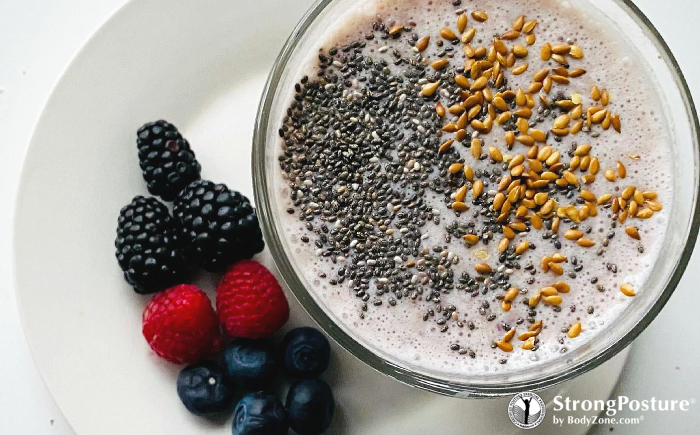
Research: A small study published in the Journal of the Society for Integrative Oncology found that women who consumed 40 grams of crushed flaxseed daily experienced a 50% reduction in hot flashes over six weeks.
-
Black Cohosh: An Ancient Herb for Modern Woes
Black cohosh is a perennial plant native to North America that has been used for centuries by Native Americans to treat various women’s health issues.
How it works: While the exact mechanism isn’t clear, black cohosh is thought to have estrogen-like effects and may influence serotonin receptors, potentially helping to regulate body temperature.
Usage and benefits:
- Typically taken in supplement form, with dosages ranging from 20-80 mg daily.
- May take several weeks to see effects.
- Some studies suggest it can reduce hot flashes by up to 26%.
Research: A systematic review published in the journal Maturitas analyzed multiple studies on black cohosh and concluded that it appears to be a safe and effective alternative for women who cannot or choose not to take hormone replacement therapy.
-
Mind-Body Techniques: Harnessing the Power of Relaxation
Stress can exacerbate hot flashes, making stress-reduction techniques valuable tools in managing this symptom.
How it works: Stress activates the sympathetic nervous system, which can trigger or worsen hot flashes. Relaxation techniques to calm mind and body activate the parasympathetic nervous system, potentially reducing the frequency and intensity of hot flashes.
Usage and benefits:
- Practice techniques like deep breathing, progressive muscle relaxation, or mindfulness meditation for 10-15 minutes daily.
- These techniques can be used both preventatively and during a hot flash to reduce its intensity.
- Additional benefits include improved sleep quality and reduced anxiety.
Research: A study published in Menopause: The Journal of The North American Menopause Society found that women who practiced paced respiration (slow, deep breathing) when they felt a hot flash coming on reduced the intensity of their hot flashes by 44%.

Natural Remedy for Hot Flashes
While these natural remedies show promise in managing hot flashes, it’s important to remember that responses can vary among individuals. It may take some experimentation to find what works best for you. Always consult with a healthcare provider before starting any new supplement regimen, especially if you have pre-existing health conditions or are taking other medications.
By combining these natural approaches with lifestyle modifications such as avoiding triggers (like spicy foods, caffeine, and alcohol), dressing in layers, and maintaining a cool environment, many women find they can significantly reduce the impact of hot flashes on their daily lives.