Introduction
Osteoporosis, often called the “silent disease,” is a condition that significantly affects bone density and strength, particularly in women. While it can occur at any age, it becomes increasingly common as women approach and pass through menopause. This article aims to provide a comprehensive overview of osteoporosis, its symptoms, causes, and most importantly, self-help strategies for maintaining optimal bone health.
Understanding Osteoporosis
What is Osteoporosis?
Osteoporosis is a condition characterized by a decrease in bone mass and density, leading to fragile bones that are more susceptible to fractures. It occurs when the body loses too much bone, makes too little bone, or both.
Prevalence in Women
- Affects approximately 1 in 3 women over age 50
- Women are at higher risk due to smaller bone structure and hormonal changes during menopause

Symptoms of Osteoporosis
Osteoporosis is often called a silent disease because bone loss occurs without symptoms. However, some signs may indicate the presence of osteoporosis:
Early Stages
- Generally asymptomatic
- Potential gradual loss of height over time
Advanced Stages
- Back pain caused by fractured or collapsed vertebra
- Stooped posture or “dowager’s hump”
- Fractures that occur more easily than expected, especially in the hip, spine, or wrist
Causes and Risk Factors
Understanding the causes and risk factors of osteoporosis is crucial for prevention and management:
Unchangeable Risk Factors
- Age (risk increases with age)
- Gender (women are at higher risk)
- Family history of osteoporosis
- Ethnicity (Caucasian and Asian women are at higher risk)
- Body frame size (smaller-boned women are at higher risk)
Hormonal Factors
- Decreased estrogen levels due to menopause
- Early menopause (before age 45)
- Amenorrhea (absence of menstrual periods) in younger women
Lifestyle Factors
- Sedentary lifestyle
- Excessive alcohol consumption
- Smoking
- Low calcium intake
- Vitamin D deficiency
Medical Conditions and Medications
- Certain medications (e.g., long-term use of corticosteroids)
- Thyroid problems
- Eating disorders
- Rheumatoid arthritis
Self-Help Strategies for Bone Health
While some risk factors for osteoporosis are beyond our control, there are many proactive steps women can take to maintain and improve bone health:
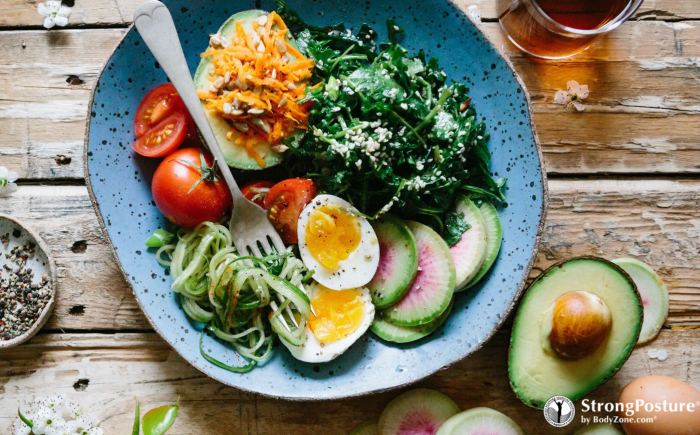
- Nutrition for Strong Bones
Proper nutrition plays a crucial role in maintaining bone health:
Calcium-Rich Foods
- Dairy products (milk, yogurt, cheese)
- Leafy green vegetables (kale, collard greens, spinach)
- Fish with edible bones (sardines, salmon)
- Calcium-fortified foods (certain juices, cereals, and plant-based milk)
Vitamin D Sources
- Sunlight exposure (15-20 minutes daily, with proper skin protection)
- Fatty fish (salmon, tuna, mackerel)
- Egg yolks
- Vitamin D-fortified foods
Other Important Nutrients
- Magnesium: Found in nuts, seeds, whole grains, and leafy greens
- Vitamin K: Found in leafy greens, Brussels sprouts, and broccoli
- Potassium: Found in bananas, potatoes, and prunes
- Exercise for Bone Strength
Regular physical activity is essential for building and maintaining strong bones:
Weight-Bearing Exercises
- Walking
- Jogging
- Dancing
- Stair climbing
- Tennis
Resistance Training
As taught in many personal training certifications, the following can be great for increasing bone density:
- Weight lifting
- Using resistance bands
- Body weight exercises (push-ups, squats)
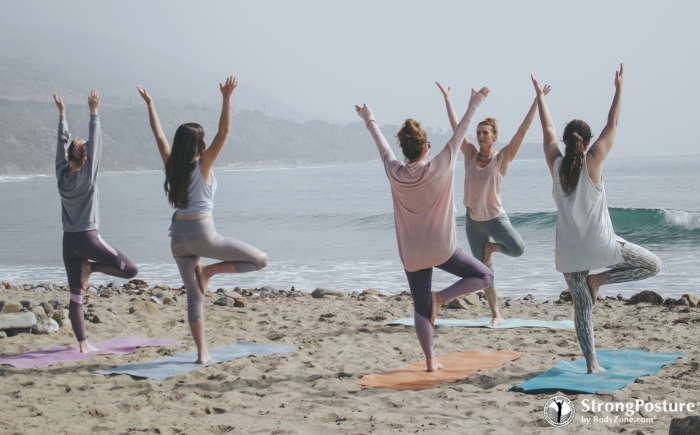
Balance and Flexibility Exercises
- StrongPosture
- Yoga
- Tai Chi
- Pilates
Aim for at least 30 minutes of exercise most days of the week, combining different types of activities.
- Lifestyle Modifications
Certain lifestyle changes can significantly impact bone health:
Quit Smoking
Smoking accelerates bone loss and increases fracture risk.
Limit Alcohol Intake
Excessive alcohol consumption can interfere with calcium absorption and hormone production.
Maintain a Healthy Weight
Being underweight increases osteoporosis risk, while being overweight puts extra stress on bones.
- Fall Prevention
Preventing falls is crucial for those with or at risk of osteoporosis:
- Keep homes well-lit and free of tripping hazards
- Use non-slip mats in the bathroom and shower
- Wear supportive, low-heeled shoes
- Consider using assistive devices if needed (e.g., cane or walker)
- Stress Management
Chronic stress can negatively impact bone health by increasing cortisol levels:
- Practice relaxation techniques like deep breathing or meditation
- Engage in regular physical activity
- Ensure adequate sleep (7-9 hours per night)
- Consider counseling or support groups if needed
When to Seek Medical Help
While self-help strategies are crucial, it’s important to work with healthcare providers for comprehensive osteoporosis management. Seek medical advice if:
- You’re approaching or have gone through menopause
- You have a family history of osteoporosis
- You’ve experienced a fracture after a minor fall
- You’ve lost height or developed a curved upper back
- You’re on medications that may affect bone density
Your healthcare provider may recommend bone density testing and discuss additional treatment options if necessary.
Empowering Women’s Bone Health
Osteoporosis, while common, is not an inevitable part of aging. By understanding the condition and implementing these self-help strategies, many women can maintain strong, healthy bones throughout their lives. Remember, it’s never too early or too late to start taking care of your bone health. With the right knowledge, lifestyle choices, and medical support when needed, you can significantly reduce your risk of osteoporosis and maintain an active, independent lifestyle well into your later years.
Recommended Resource: Online Course on Osteoporosis
For those seeking a more in-depth understanding of osteoporosis, we recommend the online course: “Osteoporosis: Symptoms, Causes & Treatment Strategies“. While developed for practitioners, this course is highly relevant for anyone facing osteoporosis or interested in bone health.
This comprehensive course covers:
- Detailed explanations of osteoporosis pathophysiology
- Advanced testing methods for bone health
- Cutting-edge dietary and nutritional strategies
- Evidence-based approaches to prevent and manage osteoporosis
By taking this course, you’ll gain valuable insights into the latest research and practical strategies for maintaining optimal bone health throughout your life.