An Interoceptive Biobehavioral Perspective
The Persistent Challenge of Low Back Pain
Recent epidemiological projections published in SPINE indicate that the global low back pain (LBP) crisis will continue to worsen through 2050. Researchers conclude that for the next quarter-century, both globally and nationally, epidemics of LBP-related disability will escalate as a “public health concern with a consistently high burden.” Their recommendation is unambiguous: “To alleviate the future impact of this disease, it is imperative to increase public awareness regarding its risk factors and to implement preventive measures.”
This forecast coincides with Medscape’s sobering report on a comprehensive Cochrane review analyzing over 300 placebo-controlled trials of 56 LBP treatments and protocols. Their conclusion was equally stark: “Most nonsurgical and noninterventional treatments for low back pain failed to outperform placebo.” This evidence suggests that for chronic LBP, placebos demonstrated comparable or superior efficacy to pharmaceutical interventions.
These findings support what many clinicians have long observed: despite pharmaceutical industry efforts to address the consequences of modern technological lifestyles, a pharmacological “magic bullet” for LBP remains elusive—and would likely carry significant long-term side effects. This recognition has driven the paradigm shift toward biopsychosocial approaches such as cognitive behavioral therapy (CBT), pain neuroscience education, and other mind-body methodologies now endorsed by evidence-based LBP clinical guidelines.
Validation of Manual and Movement-Based Approaches
The research simultaneously validates the efficacy of spinal manipulation and therapeutic exercise—two of the “five treatments showing efficacy” in the Cochrane review*. However, as a chiropractor with 26 years of clinical experience treating thousands of patients and educating healthcare professionals globally, I recognize that a comprehensive solution to the chronic LBP epidemic in our technology-dominated era cannot be purely physical or psychological—much less a novel pharmaceutical offering transient relief.
While immediate pain reduction following spinal manipulation is gratifying for both clinician and patient, the progression from acute to chronic pain involves complex neurophysiological transformations. Acute pain alters perceptions, which influence behaviors, ultimately shaping beliefs and mindsets that reinforce the neuromotor and psychological patterns characteristic of chronic pain. Neural plasticity and altered muscle recruitment patterns quickly consolidate into a negative spiral of maladaptive behaviors that fundamentally reshape posture and whole-body movement patterns.
This complexity explains why broadly effective, affordable, and actionable solutions for chronic LBP are unlikely to emerge from isolated psychological or physical interventions alone.

An Interoceptive Biobehavioral Framework for Clinical Practice
Our uniquely human cognitive and physical capacities interact in infinite ways across multiple dimensions—subtle and overt—to shape our embodied experience. The chronic pain experience is not simply mind-body or body-mind—it is an integrated phenomenon within a person experiencing pain. This reality is why I advocate for an interoceptively-informed biobehavioral approach, connecting physical and mental intervention and effort for chronic LBP management, as well as to prevent acute pain from progressing to chronicity.
Interoception: The Critical Seventh Sense
Interoception—the seventh sense—is neurologically distinct from, yet connected to proprioception. While proprioception involves awareness of external motion and position (holding a fork), interoception encompasses internal awareness of physiological state (feeling hunger). This distinction is fundamental to the StrongPosture® approach.
The cornerstone of an interoceptive biobehavioral framework is the integration of rehabilitation and therapeutic exercise with targeted education to cultivate awareness and control of the patient’s perceived and felt body. This approach aligns cognitive understanding with perceptual experience and physical capability.

Progressive, Patient-Centered Rehabilitation
This rehabilitation methodology is not a linear process but rather a progressive, iterative one tailored to each individual’s functional capacity and motivation to reshape behaviors, expectations, and attitudes. The approach creates a therapeutic alliance that positions the clinician as a healer invested in the patient as a whole person, supporting them in caring for their body according to their interest and commitment level.
Beyond our clinical interventions—whether spinal manipulation, therapeutic exercise, or other modalities—we must reframe each patient’s perceptions and understanding to reshape their behaviors, expectations, and attitudes. The interoceptive biobehavioral approach is particularly well-suited for biomechanically-oriented musculoskeletal professionals treating chronic LBP patients seeking rehabilitation strategies personalized to their needs.
Tactically Directing Attention to Build Self-Efficacy
The tactical element involves directing the patient’s attention toward successfully exerting effort in specific, novel actions. This creates an opportunity for the individual to perceive subtle new sensations, often accompanied by an expression of amazement—the “WOW!” moment. Positive reinforcement of this action, combined with cognitive understanding, can be anchored as a memory, fostering an attitude of self-efficacy (“I can do this”).
Progressive sequencing of motor learning with biomechanical education guides future actions, creating meaningful experiences and perceptions. Sequencing these successful clinical experiences encourages patients to address specific physical behaviors or elements of their movement patterns.

The StrongPosture® Protocol: Building Interoceptive Awareness for Postural Control
Our thesis centers on building and directing postural interoceptive awareness toward motor control accuracy. This process follows a deliberate progression:
- Initially stabilizing toward symmetry
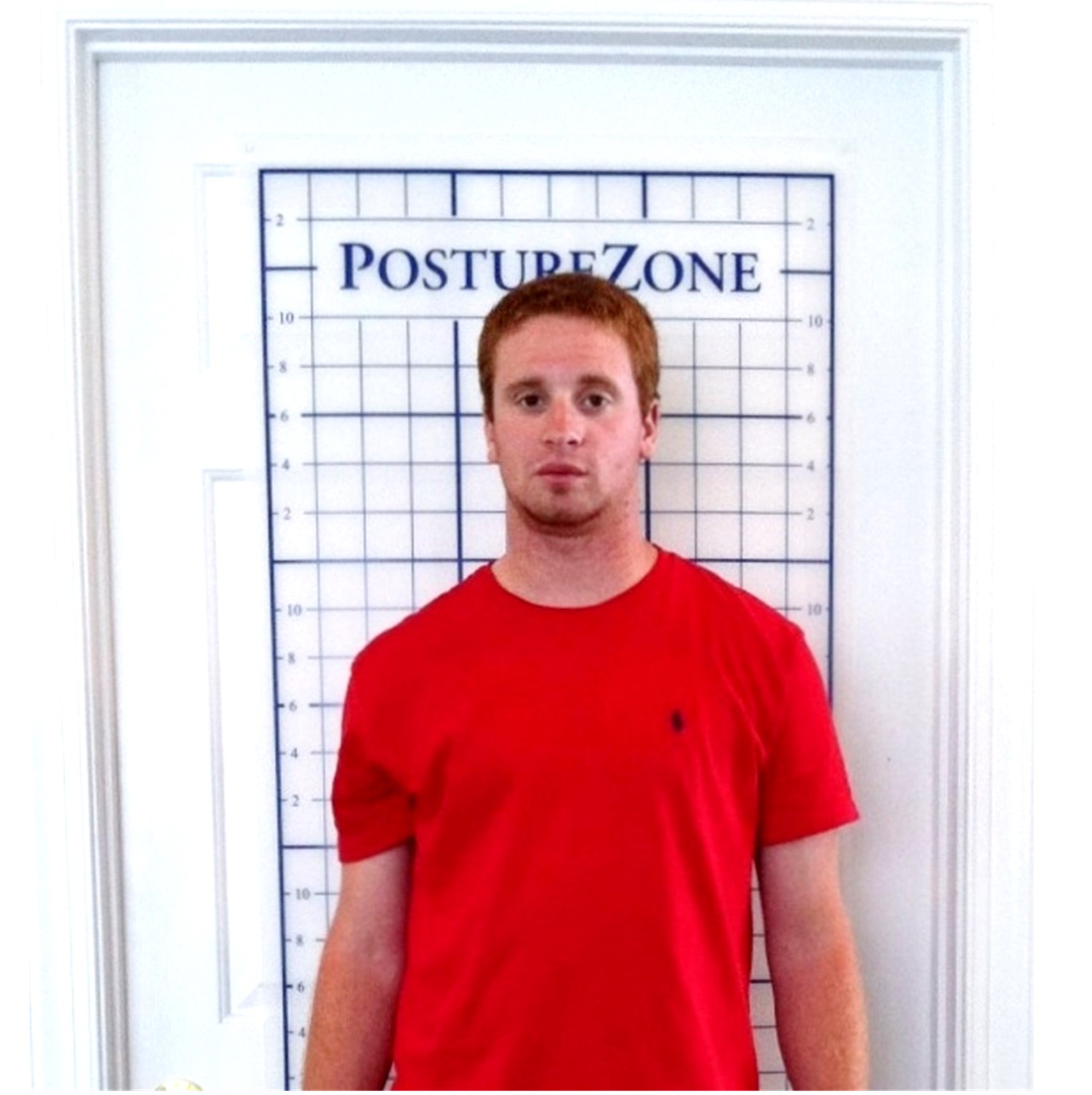
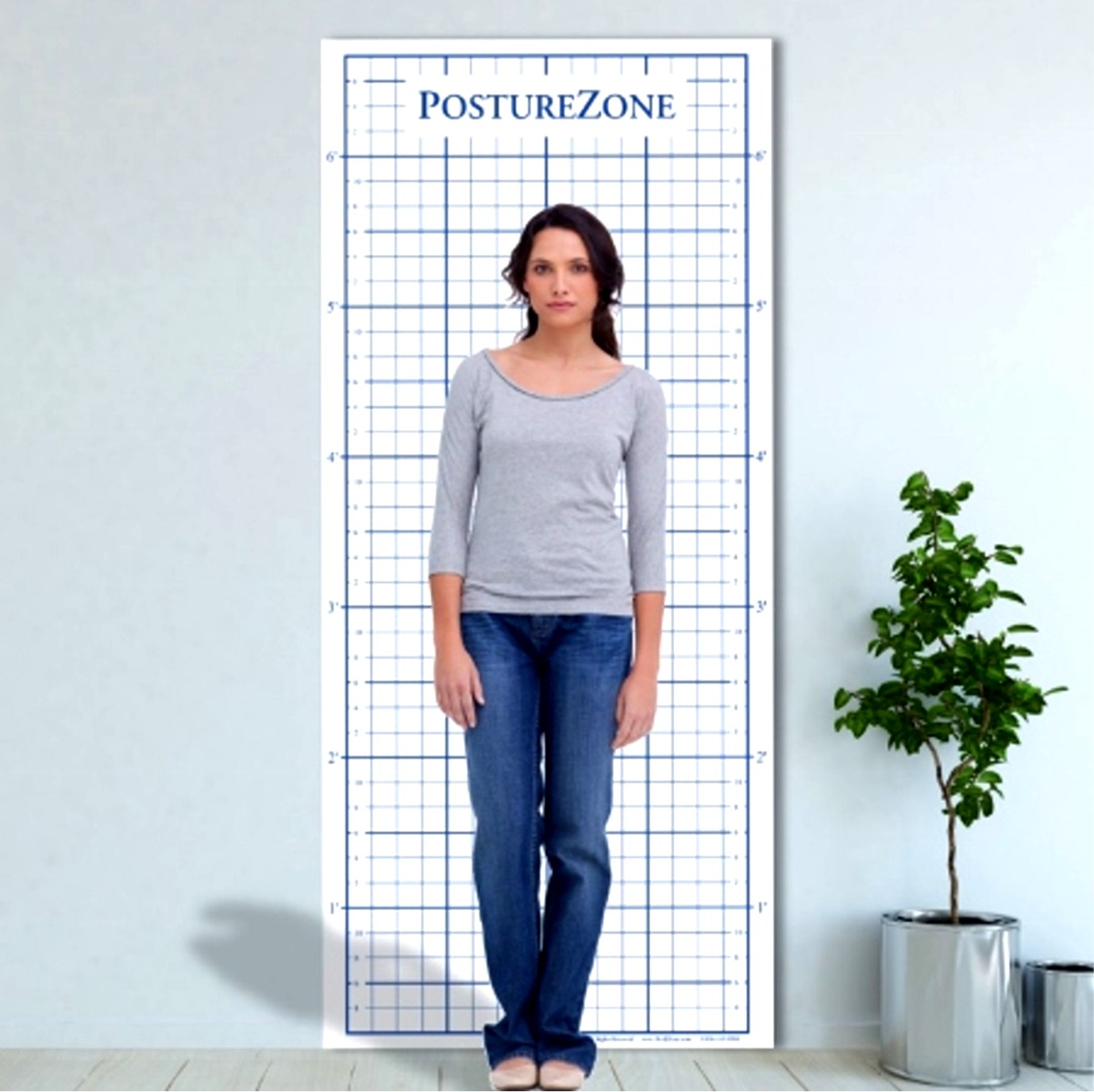
- Progressing toward greater control accuracy of regional motion of the 4 Zones of Postural Mass (aka the 4 PostureZones®)
- Developing more accurate somatic perception aligned with the reality of global stabilization and movement patterns
We term this process “P2R” (Perception to Reality)—a pathway and process to self-efficacy and behavioral change that simultaneously earns the trust and confidence of chronic back pain patients.
This is precisely what we teach with the StrongPosture® method—a systematic protocol that focuses somatic awareness interoceptively to address the biobehavioral dimensions of chronic pain while empowering patients with sustainable self-management strategies.
*Cochrane study takeaway/via Medscape: “For chronic low back pain, five treatments showed efficacy with moderate-certainty evidence: Exercise, spinal manipulative therapy, taping, antidepressants, and transient receptor potential vanilloid 1 agonists”

REFERENCES
Cheng (2025). SPINE Global, Regional, and National Burden of Low Back Pain: Findings From the Global Burden of Disease Study 2021 and Projections to 2050.
03/24/2025 Medscape, What Works for Low Back Pain? New Study Suggests Not Much
*Medscapes Takeaway from the Cochrane study: “For chronic low back pain, five treatments showed efficacy with moderate-certainty evidence: Exercise, spinal manipulative therapy, taping, antidepressants, and transient receptor potential vanilloid 1 agonists”
04/04/2024 Weiniger, Frontiers of Neuroscience Interoceptive posture awareness and accuracy: a novel photographic strategy towards making posture actionable