Dentists look at a patient’s posture because it can affect their oral health and bite. Poor posture can lead to temporomandibular joint disorders (TMJ) and other problems with the jaw, neck, and head.
Additionally, posture can contribute to or worsen issues such as bruxism (teeth grinding) and clenching, which can cause tooth damage and other oral health problems. By examining a patient’s posture, a dentist can identify potential problems and make recommendations for corrective action, such as exercises or orthodontic treatment, to help improve oral health and prevent further complications.
Performing a Dental Posture Exam After Treatment
Dentists often check a patient’s posture after a dental treatment to ensure that the procedure has not negatively impacted the patient’s bite or caused any discomfort in the jaw, neck, or head. The procedure may have involved changes to the patient’s teeth, bite, or jaw, and the dentist may want to confirm that these changes have not resulted in poor posture, a misalignment, or other issues that could affect the patient’s oral health.
Checking the patient’s posture after a procedure also allows the dentist to monitor the patient’s recovery and address any concerns that may arise. By doing so, the dentist can ensure the best possible outcome for the patient and promote optimal oral health.

How is a dental postural assessment done?
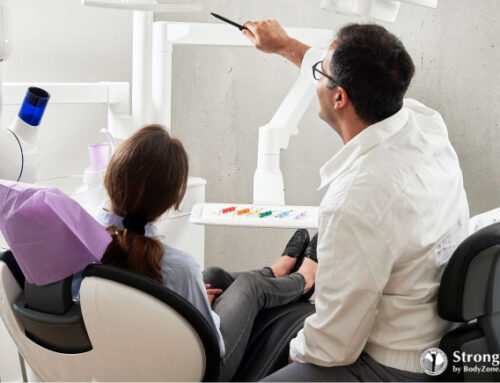
A dental postural assessment involves evaluating a patient’s posture, bite, and jaw alignment to identify potential problems and assess their impact on oral health. The process typically includes the following steps:

- Observations: The dentist observes the patient’s posture while they are standing and sitting, looking for any signs of discomfort, asymmetry, or misalignment.
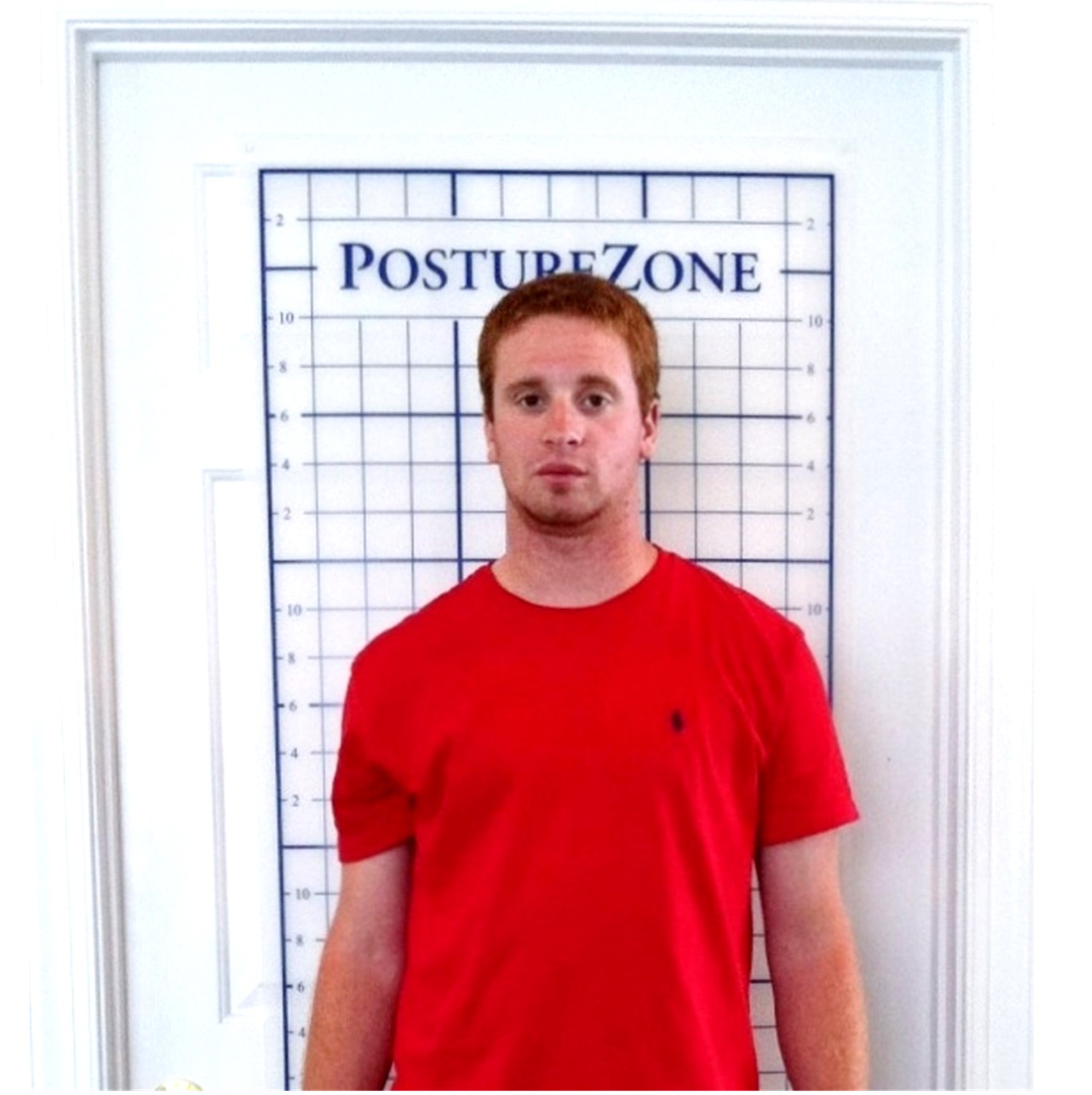
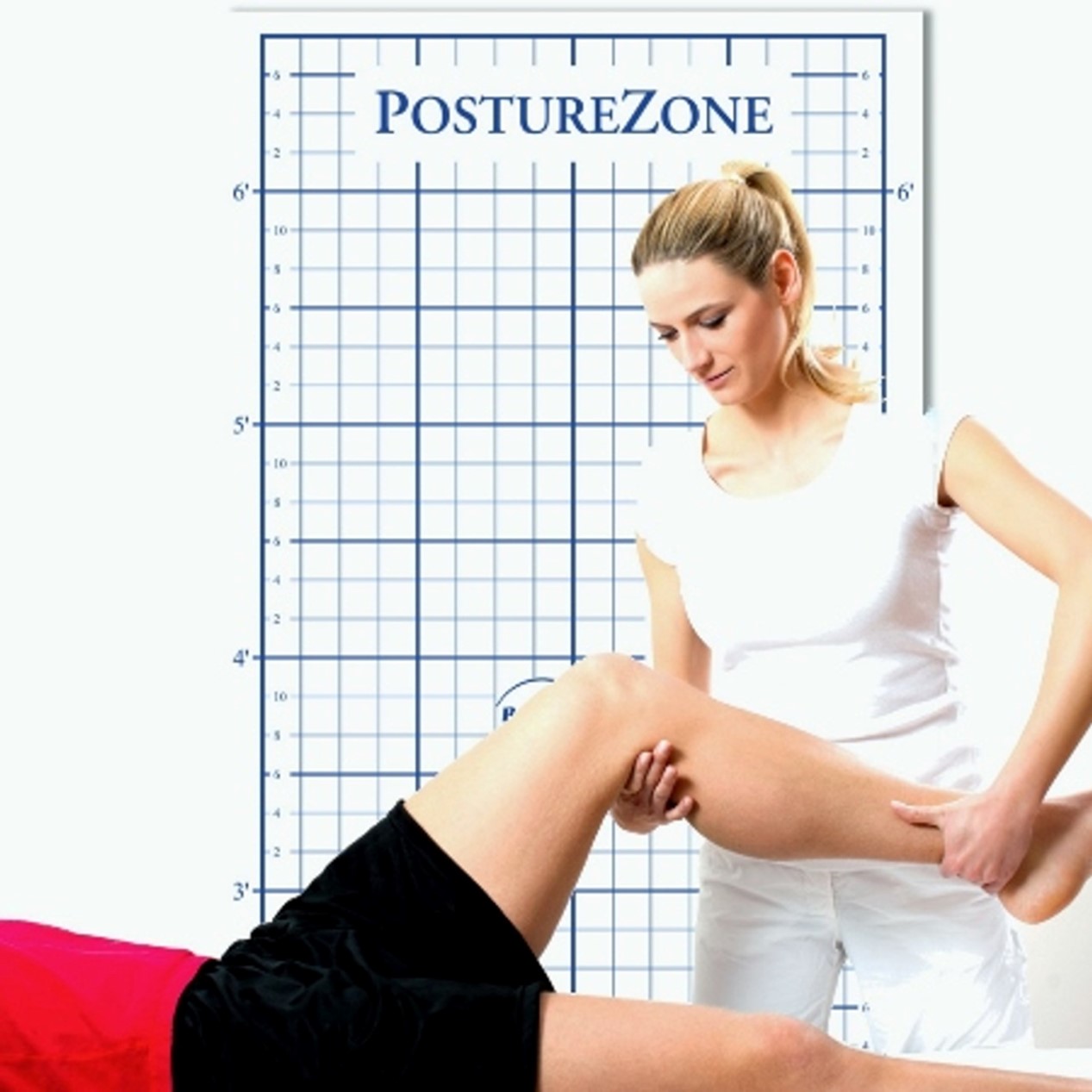
- Measurements: The dentist will use a posture assessment grid, or other measuring tool with ruler to gather more detailed information about the patient’s posture and bite.
- X-rays: The dentist may take x-rays or other imaging to help them see the patient’s jaw, bite, and teeth in more detail.
- Evaluation of the bite: The dentist will examine the patient’s bite to see if it is aligned correctly and to identify any issues with the temporomandibular joints (TMJs) or other areas of the jaw.
- Assessment of the jaw: The dentist will examine the patient’s jaw to see if it is properly aligned and to identify any signs of discomfort or tension.
- Recommendations: Based on their findings, the dentist will make recommendations for corrective action, such as posture exercises, orthodontic treatment, or other forms of therapy, to improve the patient’s posture and promote optimal oral health.
A dental postural assessment is an important step in ensuring good oral health and preventing problems.