Elevating Patient Care Through Postural Analysis
As a dentist, you know the importance of proper head, jaw, and neck alignment for oral health. That’s why making posture assessments part of your standard patient care can enhance your practice in several meaningful ways:
At minimum, conduct a quick postural screening during initial and final appointments with each patient. Additionally, a more thorough postural analysis every 6-12 months allows you to track changes over time.

There are many advantages to adding this simple practice:
- Identify anatomical and biomechanical factors affecting the jaw, bite, and occlusion.
- Recognize areas of tension or instability that contribute to poor head and neck posture.
- Monitor improvements or declines in head positioning and spinal alignment over time.
- Educate patients on postural habits that may impact dental health and function.
- Demonstrate clear progress that motivates patients to maintain treatment plans.
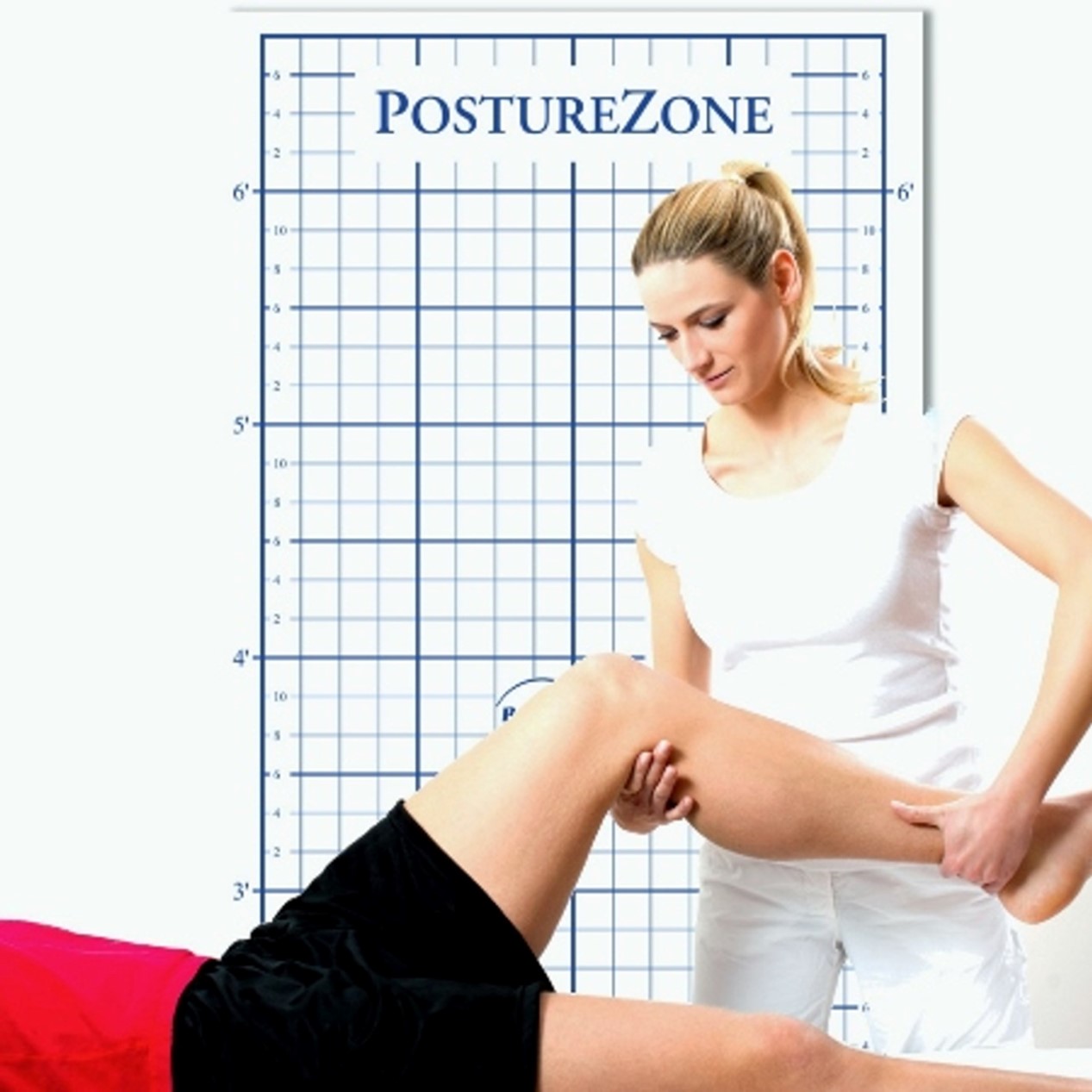
- Determine needs for orthodontia, occlusal adjustments, or physical therapy.
- Quantify outcomes that showcase the value of your treatments.
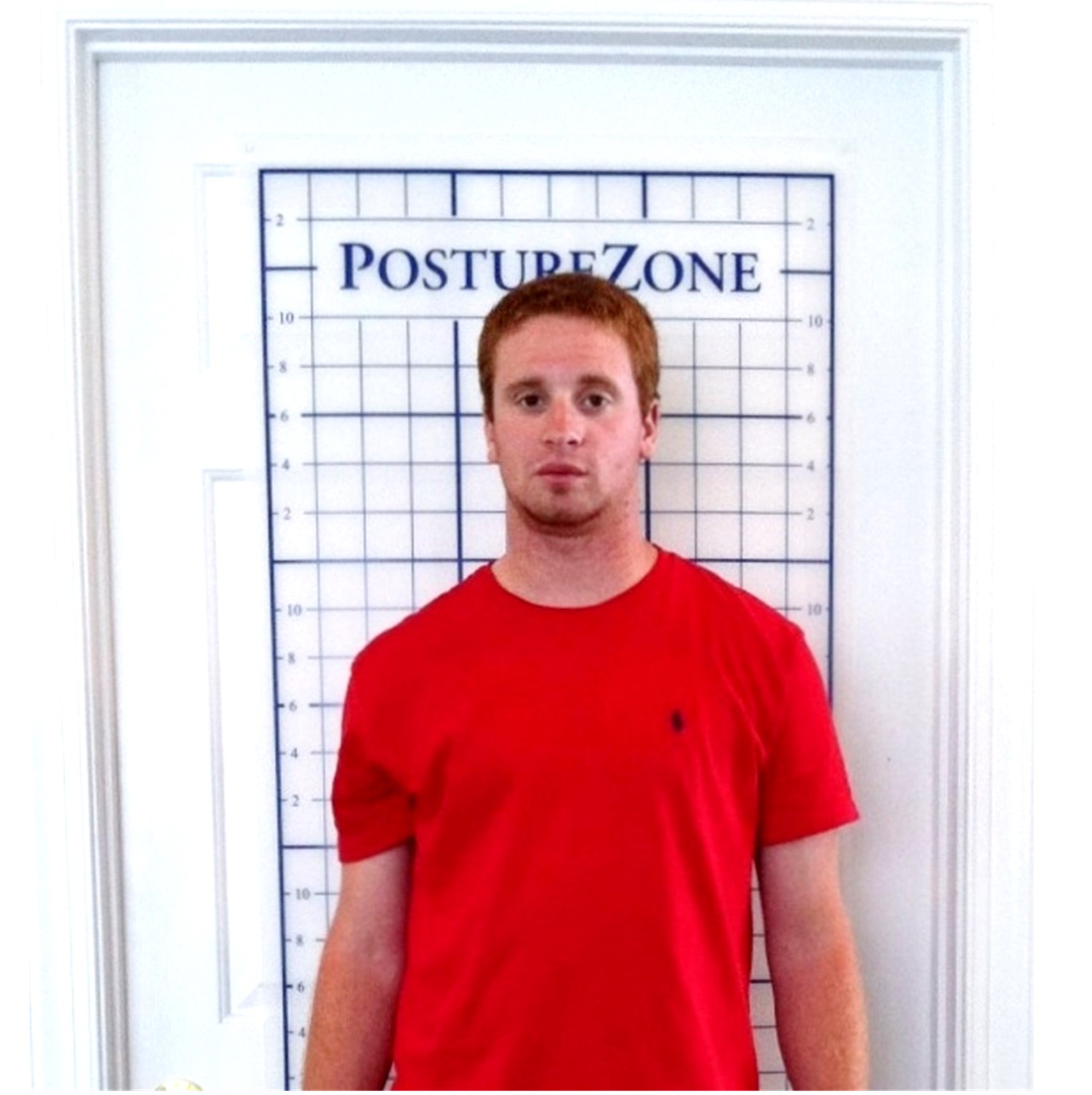
Conduct posture checks with patients standing naturally in front of a wall grid. Capture front, side, and back photos for comparison over time. Analyze head position, forward neck tilt, rounded shoulders, and more.

Explain the purpose of assessments and guide patients through the results. Patients appreciate visual evidence and expert guidance on postural factors affecting dental health.
Incorporating posture analysis takes little chair time but offers immense rewards. You gain clinical insights, demonstrate expanded value to patients, and reinforce your expertise in oral health and function. With simple consistency, it’s a best practice that elevates patient care.