The way a kitchen is arranged rarely gets credit for shaping what a family actually eats, yet it does so every single day. Good fridge organization tips are less about tidiness and more about quietly steering hands toward fruit instead of leftover takeout containers. Every time someone opens the refrigerator door, they are making a small decision under time pressure, and what they see first often wins. This piece looks at how storage habits, fridge size, and shelf layout interact with portioning, waste, and the broader goal of building a calmer, healthier relationship with food at home. It is not about buying a specific appliance for its own sake, but about understanding the mechanics behind why some kitchens make healthy choices feel automatic while others make them feel like a fight. From the psychology of visibility to the practical question of matching a fridge to real household patterns, the sections below connect everyday refrigeration decisions to the eating habits families build over time.
Why Food Storage Habits Shape Family Eating Patterns
The single biggest driver of what gets eaten first is what gets seen first. When fresh produce sits at the back of a crowded shelf behind sauces and half-finished jars, it competes poorly against anything that requires no thought, like a bag of chips on the counter. This is not a matter of willpower; it is a matter of friction. Food that is visible and within easy reach gets chosen more often simply because choosing it requires less effort than searching for it.
Cluttered storage compounds this problem in a second, less obvious way. When a fridge is disorganized, it becomes harder to know what is actually available, which pushes people toward convenience options they already know the contents of, such as packaged snacks or delivery meals. A parent scanning a chaotic fridge for ten seconds before giving up and ordering food is not failing at planning; the storage system is failing them. Over weeks and months, this pattern hardens into a habit loop where the fridge becomes a place things go to be forgotten rather than a place meals actually come from.
This is why food storage deserves more attention than it usually gets in conversations about healthy eating. Meal planning apps, grocery lists, and nutrition advice all assume the food purchased actually gets used, but that assumption depends entirely on whether the storage system supports easy retrieval. A household that fixes visibility and accessibility often sees eating patterns shift before any diet or menu changes are introduced at all.
How Fridge Size and Layout Influence Portioning and Food Waste
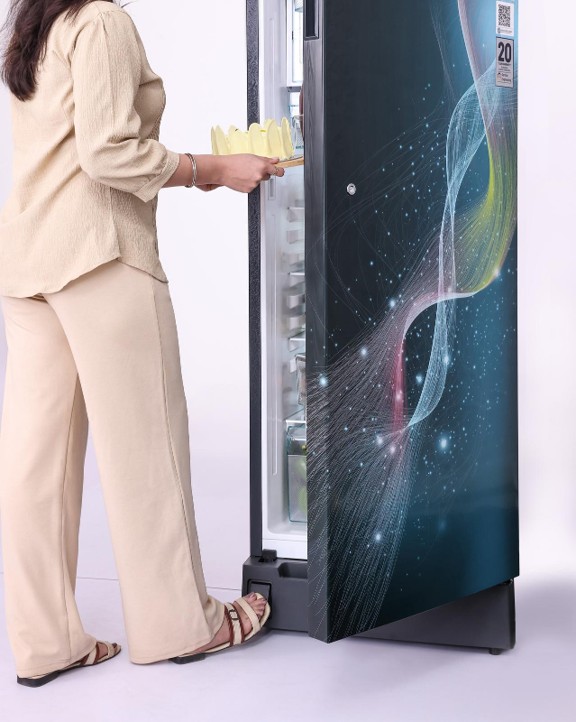
Storage capacity acts as an invisible boundary on how much fresh food a household actually consumes before it spoils. A larger fridge invites larger, less frequent shopping trips, and those trips tend to include more perishables than a family can realistically work through in a week. The extra vegetables, dairy, and leftovers do not disappear; they slowly lose freshness in the back corners until they are discarded, often unnoticed until the next clean-out.
A more limited amount of space changes this dynamic by imposing a natural ceiling on overbuying. When there is simply nowhere to put a third bag of salad greens, the shopping decision gets made differently at the store, not just at home. This constraint-driven planning tends to produce smaller, more frequent purchases that match what the household will actually cook, which in turn reduces the quiet drip of spoiled produce that never makes it to a plate. The mechanism here is straightforward: physical limits force a shorter feedback loop between buying and eating, and shorter feedback loops make it easier to notice waste patterns and adjust.
Layout matters just as much as raw volume. A fridge with a single, clear zone for fresh items encourages a simple mental model: this shelf is for food that needs to be used soon. Multiple bins, drawers, and door compartments can fragment attention, making it easy to lose track of what is stored where. Households that pair modest storage capacity with a consistent internal layout tend to report fewer instances of finding forgotten, spoiled food, because there are fewer hiding places for it in the first place. This connects directly to mindful meal planning, since a fridge that shows its contents honestly makes weekly menu decisions easier to base on what is actually on hand rather than on guesswork.
Choosing Refrigeration That Fits Your Household’s Real Needs
Matching a fridge to actual weekly shopping patterns, rather than to an assumed “more is better” standard, is one of the more overlooked decisions in setting up a kitchen for healthy habits. Households vary enormously in how often they shop, how many people they feed, and how much of their diet leans on fresh versus stored ingredients, and a refrigerator that ignores these differences tends to work against the people using it rather than for them.
For smaller households, or kitchens with limited floor space, a compact and simple layout can serve fresh-food-focused routines particularly well. Families who shop two or three times a week for produce, dairy, and a few staples often find that a single-door fridge provides enough room without encouraging the kind of bulk storage that leads to forgotten, wilting vegetables. The smaller footprint also tends to keep the interior easier to scan at a glance, reinforcing the visibility effect described earlier: fewer shelves and drawers mean fewer places for food to disappear into.
This is not a claim that smaller is universally better; a large family cooking in batches for the week ahead has different needs than someone shopping fresh every few days. The relevant question is not the size of the appliance on its own but whether its capacity matches how the household actually buys and consumes food. A fridge that is consistently over capacity invites the same overbuying and spoilage problems discussed above, while one that is consistently underused wastes energy cooling empty space. Thinking through weekly shopping frequency, household size, and how much of the diet depends on fresh ingredients before choosing a fridge tends to produce a better long-term fit than optimizing for maximum storage as a default.
Practical Fridge Organization Tips for Healthier Eating
Regardless of fridge size, a handful of layout choices consistently make healthier eating easier rather than harder. The underlying principle in every case is the same one raised earlier: what is visible and easy to reach gets eaten first, so the goal is to design around that tendency instead of fighting it.
Placing fresh produce at eye level, rather than in a low crisper drawer, is one of the more effective adjustments a household can make. Crisper drawers were originally designed to manage humidity for longer storage, but their out-of-sight placement often works against frequent use. Moving washed, ready-to-eat fruit and cut vegetables to a visible shelf turns them into the easiest snack option in the fridge, which shifts casual snacking decisions without requiring any conscious effort.
Batch-prepping visible portions extends this same logic to meal planning. Washing, chopping, or portioning food shortly after a shopping trip and storing it in clear containers at the front of a shelf removes the preparation step that often stands between a family and a healthy choice in the moment. A parent short on time is far more likely to grab a pre-portioned container of cut vegetables than to start chopping from scratch, and the visible container also serves as a reminder that the food exists before it has a chance to be forgotten.
A few additional habits reinforce these two core moves:
- Keeping a designated “eat soon” section in your single door fridge helps prioritize items nearing their expiration date
On a Liebherr single door fridge, fruit and vegetables can sit in the humidity-controlled compartment at eye level when the door opens, instead of wilting in a sealed bag at the back.
Frequently Asked Questions
Does a smaller fridge really lead to less food waste?
A smaller fridge does not guarantee less waste on its own, but the limited space tends to discourage the kind of bulk perishable purchases that quietly spoil before they are used. The main driver is the shorter, more frequent shopping cycle that limited storage encourages, not the appliance size in isolation.
Where should healthy snacks be placed for the biggest impact?
Eye-level shelves toward the front of the fridge tend to produce the strongest effect, since food seen first is chosen first. Crisper drawers, while useful for longer storage, are often too out of sight to influence quick, casual snacking decisions.
Is it worth reorganizing a fridge without buying anything new?
Yes, reorganizing existing storage can shift eating patterns on its own by improving visibility and reducing clutter. Adjusting shelf placement, grouping food by meal, and maintaining a clear “eat soon” zone often produce noticeable changes before any equipment is changed at all.