The Hidden Athletic Penalty of Poor Oral Health
You track your macros. You monitor your sleep. You follow a periodized training program down to the last set. But when was the last time you thought about how your teeth affect your performance?
A study conducted on athletes during the 2012 London Olympics found that nearly one in five competitors reported that their oral health negatively affected their training or performance. Cavities, gum disease, and impacted wisdom teeth were among the most common issues identified. These are people with access to the best sports medicine in the world, and dental problems were still slipping through the cracks.
The reason is simple: oral health is rarely integrated into athletic performance conversations. It should be.
Chronic Inflammation Robs Your Recovery
Gum disease creates persistent low-grade inflammation throughout the body. For sedentary individuals, this contributes to cardiovascular risk over time. For active individuals pushing their bodies through demanding training, the effects appear much sooner.
Inflammation diverts immune resources away from muscle repair and tissue recovery. Your body is simultaneously fighting an oral infection and trying to rebuild muscle fibers damaged during training. Something has to give, and usually it is recovery speed.
Athletes dealing with unexplained fatigue, recurring minor injuries, or slower-than-expected recovery should consider whether an untreated dental issue is contributing to their systemic inflammatory load. It sounds unlikely until you understand the biology.

Mouth Breathing, Jaw Alignment, and Breathing Efficiency
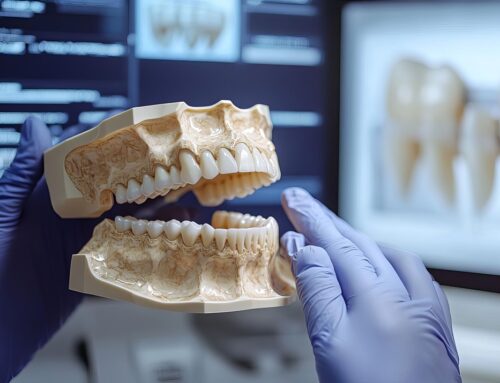
Dental structural issues affect breathing patterns in ways that directly impact athletic output. Malocclusion, a misaligned bite, can restrict airway space. Chronic mouth breathing dries out oral tissue, promotes bacterial growth, and delivers less oxygen to working muscles compared to efficient nasal breathing.
Jaw tension from temporomandibular joint problems creates compensatory patterns that radiate down the neck and into the shoulders. For any athlete whose sport involves upper body mechanics, this cascade affects technique and increases injury risk.
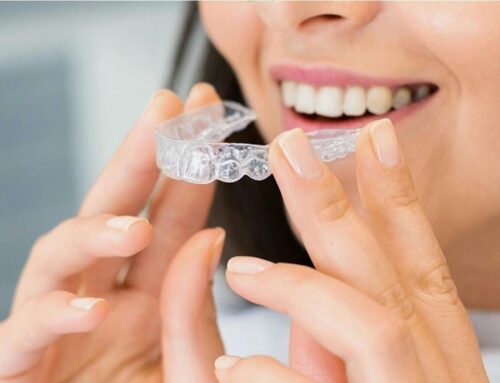
Even something as basic as a night guard for teeth grinding can improve sleep quality, which is arguably the single most important recovery tool available. Better sleep means better hormonal balance, better muscle repair, and better training adaptations.
Sports Drinks and Energy Gels Are Destroying Your Enamel
The fitness industry pushes sugary, acidic beverages as performance necessities. And for intense endurance efforts, carbohydrate replenishment does matter. But the dental cost is rarely discussed.
Sports drinks are highly acidic, with pH levels that actively erode tooth enamel. Sipping them over extended periods during training sessions bathes teeth in a corrosive environment for hours. Energy gels and chews stick to tooth surfaces and feed acid-producing bacteria long after the workout ends.
Rinse your mouth with water after consuming these products. Wait at least thirty minutes before brushing, as brushing acid-weakened enamel causes additional damage. Better yet, use electrolyte tablets dissolved in water as an alternative that provides hydration without the sugar and acid bombardment.
Making Dental Health Part of Your Performance Stack
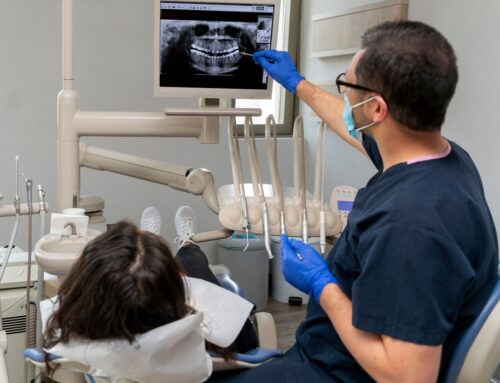
Schedule dental checkups with the same discipline you apply to training cycles. Twice a year at minimum. If you compete, consider a pre-season dental evaluation to catch anything that might flare up during peak training or competition.
Sioux Falls dental care works with patients who understand that every aspect of health connects to performance. Whether you are a competitive athlete or someone who trains hard because you love it, keeping your mouth healthy removes a variable that too many people overlook.
Wear a custom mouthguard for contact sports. Over-the-counter options are better than nothing, but custom-fitted guards from your dentist provide superior protection without restricting breathing.
Your body is a system. Every component affects every other component. Treating your oral health as separate from your physical health leaves performance on the table. And if you are already doing everything else right, fixing this blind spot might be the edge you have been looking for.
Nutrition, Training Fuel, and Tooth Protection
High-protein diets favored by strength athletes are generally tooth-friendly. But the acidic supplements many athletes rely on tell a different story. Pre-workout drinks, BCAAs dissolved in water, and vitamin C supplements all create acidic environments in the mouth that weaken enamel over extended exposure.
Consider the timing and method of supplement consumption. Drinking acidic beverages through a straw reduces tooth contact. Consuming them quickly rather than sipping over an hour limits the duration of acid exposure. Following up with plain water or a small piece of cheese, which neutralizes acid effectively, provides additional protection.
Protein bars and dried fruit marketed as clean snacking options are surprisingly adhesive. They cling to tooth surfaces and between teeth, providing sustained fuel for acid-producing bacteria. Rinsing with water after eating these foods, or choosing alternatives like fresh fruit and nuts, reduces the dental impact considerably.
Athletes serious about optimizing every variable in their performance should treat dental health with the same attention they give to sleep tracking and macronutrient ratios. The mouth is part of the body, and what happens inside it affects everything else.