VR Posture Training: Why a Precise Baseline Assessment is Critical
Recent 2025 research reveals virtual reality’s potential for posture correction, but are clinicians missing a crucial first step?
The VR Revolution in Posture Therapy
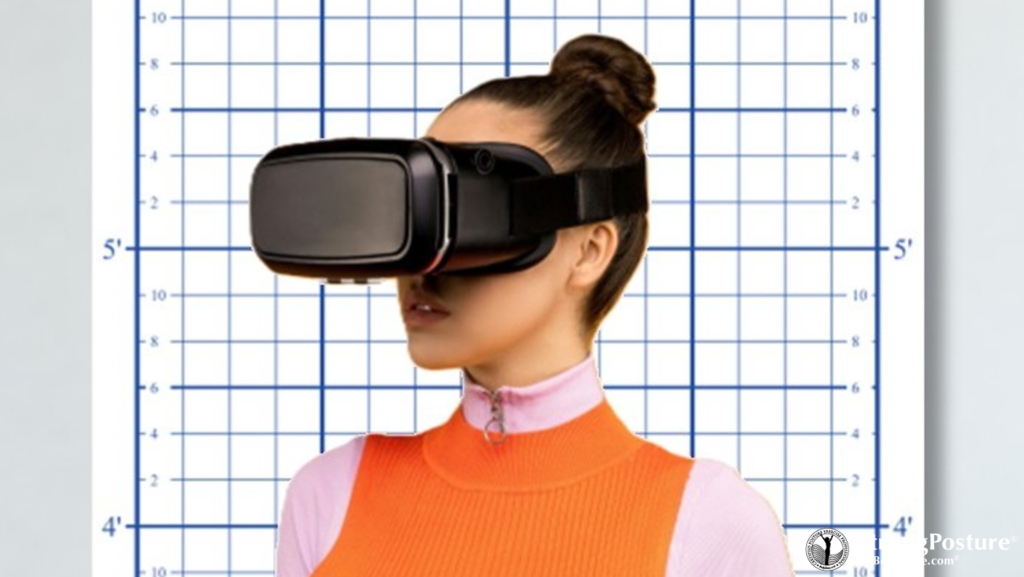
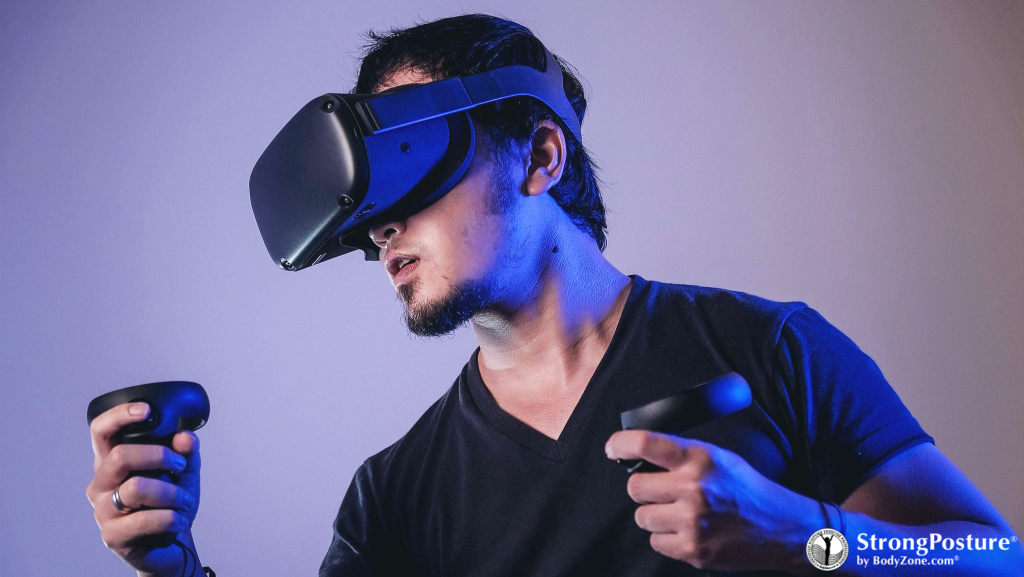
Virtual reality has emerged as a game-changing tool for postural rehabilitation. A comprehensive systematic review published in April 2025 analyzed VR exercises targeting spinal alignment across nine studies with 154 participants. The research found moderate evidence for improved neck left rotation and limited evidence for increased neck extension, along with potential benefits for alleviating kyphosis and improving trunk strength. Researchers are simultaneously developing increasingly affordable VR-based exercise therapy systems specifically designed for forward head posture correction.
But here’s what the research doesn’t tell you: without accurate baseline measurements, how do you know if your VR intervention is actually working?
The Missing Link: Precise Pre-Treatment Assessment
While VR technology captures headlines, successful posture correction programs depend on something much more fundamental – accurate initial assessment. The most sophisticated VR program in the world cannot compensate for poor baseline data.
Why Standard Visual Assessment Falls Short
Most clinicians rely on visual observation or basic photography to assess posture before implementing VR protocols. However, this approach introduces several critical limitations:
- Subjective interpretation varies between practitioners
- Inconsistent patient positioning affects measurement reliability
- Lack of quantifiable metrics makes progress tracking difficult
- Poor documentation limits treatment justification and research participation
The Grid Assessment Advantage in VR Programs
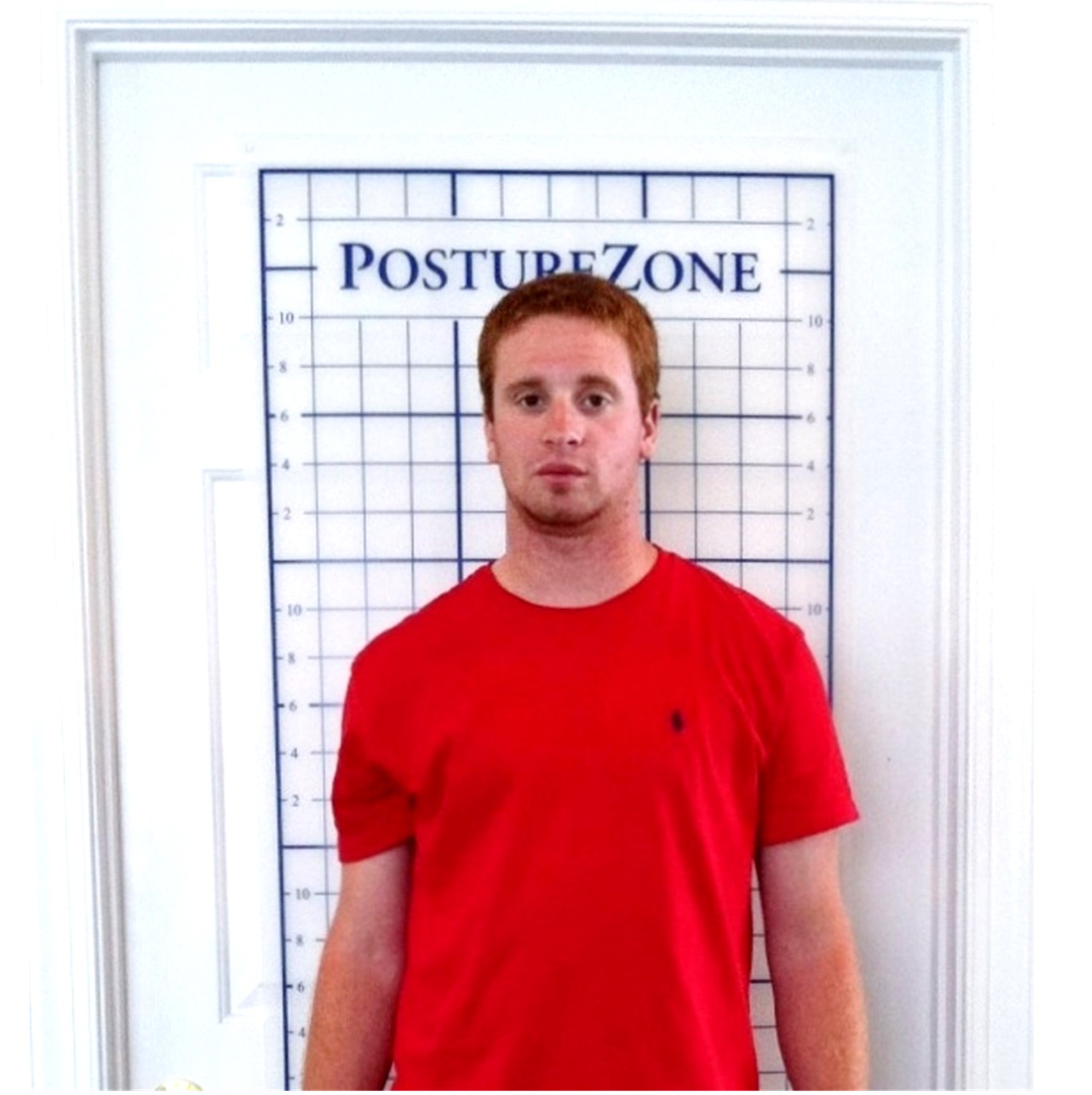
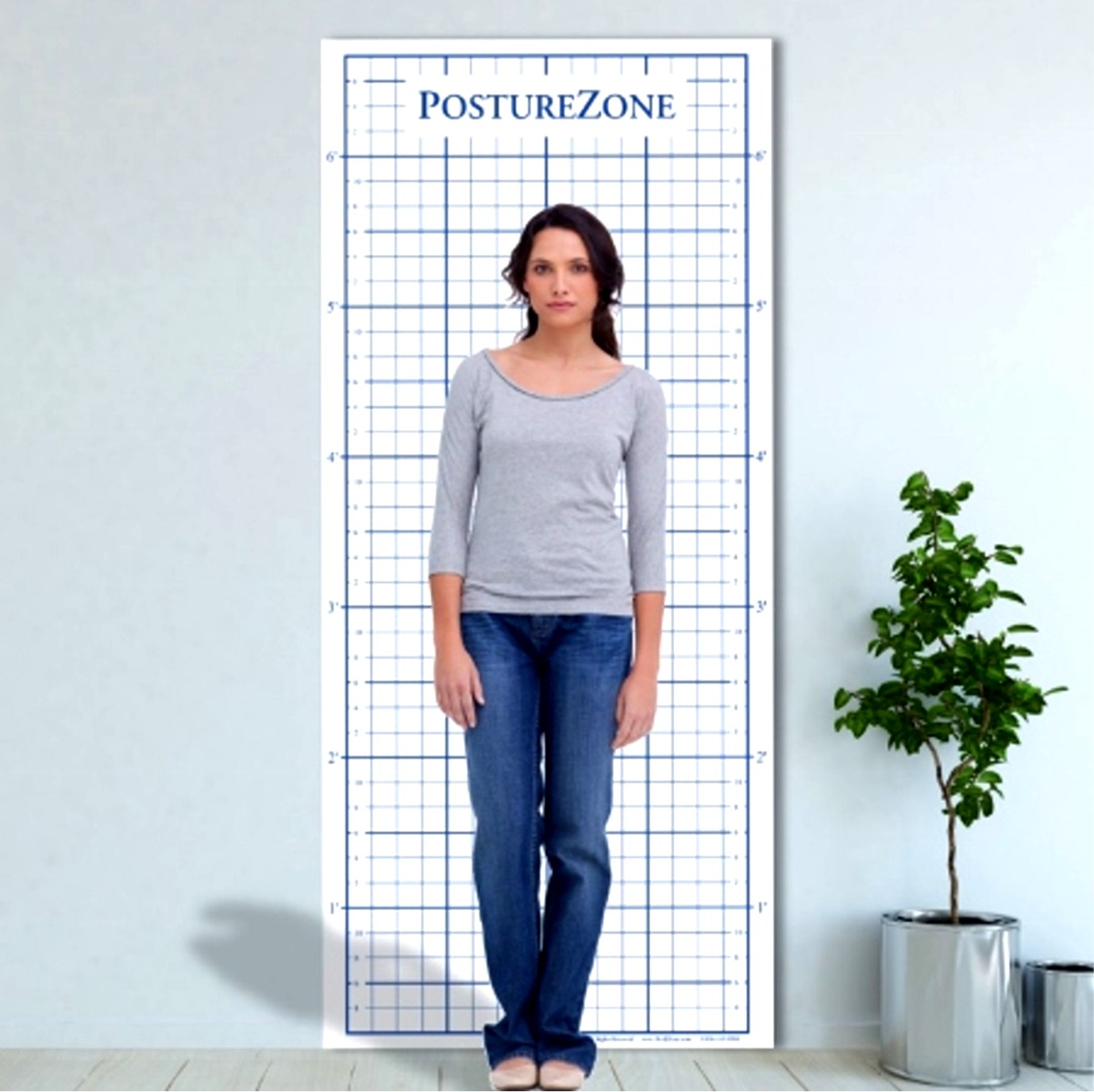
Professional posture grids provide the standardized baseline assessment that VR research protocols demand. Here’s how grids enhance your VR posture programs:
1. Research-Grade Documentation
Grids create the precise, reproducible measurements that align with current VR research methodologies. When your baseline assessment matches research standards, you can:
- Compare your patient outcomes to published studies
- Contribute to the growing VR posture research database
- Justify treatment approaches with objective data
2. Enhanced Patient Engagement
Patients respond differently when they can visualize their postural deviations against a standardized grid. This visual evidence:
- Increases buy-in for VR training programs
- Provides motivation during challenging rehabilitation phases
- Creates powerful before/after documentation
3. Optimized VR Protocol Selection
Different VR programs target specific postural deviations. Grid assessment helps you:
- Match patients to appropriate VR protocols
- Set realistic treatment goals
- Modify virtual environments based on specific alignment issues
Implementation Protocol: Grid + VR Integration
Phase 1: Baseline Grid Assessment
- Standard positioning using grid reference points
- Multi-angle documentation (anterior, posterior, lateral views)
- Quantified measurements of key postural deviations
- Baseline photographs with grid overlay for comparison
Phase 2: VR Protocol Selection
Based on grid findings, select appropriate VR interventions:
- Forward head posture: Neck-focused VR exercises
- Thoracic kyphosis: Upper back strengthening programs
- Lateral deviations: Balance-challenging virtual environments
Phase 3: Progress Monitoring
Regular grid reassessments provide objective progress data that complements VR system feedback.
The Evidence Behind Combined Assessment
Current VR posture research emphasizes the importance of objective measurement tools. The April 2025 systematic review specifically noted that while VR exercises show promise for certain postural improvements, the limited number of studies highlights the need for more robust evidence and standardized assessment protocols.
By incorporating grid assessment, you’re not just following best practices – you’re addressing a key research gap identified in current VR literature. The most successful VR posture programs will be those that combine cutting-edge technology with rigorous baseline documentation that meets research standards.
Research Sources:
- “Virtual reality exercises targeting spinal alignment: a systematic review and meta-analysis” (April 2025) – 9 studies, 154 participants
- Multiple randomized controlled trials on VR therapy for chronic neck pain and forward head posture correction

Expanding Your Expertise in Posture Assessment
The integration of VR technology with traditional assessment methods represents the future of postural rehabilitation. To fully leverage these combined approaches, consider advancing your professional knowledge through specialized training.
For Healthcare Professionals
The comprehensive 20-hour MCE Posture Course provides evidence-based training on advanced posture assessment techniques, including grid methodology and integration with modern rehabilitation technologies. This continuing education program helps clinicians master the precise assessment skills that make VR interventions more effective.
For Client Education and Referrals
Many patients benefit from understanding posture fundamentals before beginning VR therapy programs. The Strong Posture Program offers accessible education that helps clients become active participants in their postural rehabilitation journey, enhancing compliance with both traditional and VR-based interventions.
Ready to Elevate Your VR Posture Programs?
Professional posture grids transform subjective assessment into research-grade documentation. Combined with advanced training and patient education, accurate baseline assessment becomes your foundation for successful VR rehabilitation outcomes.
Whether you’re implementing VR protocols or contributing to posture research, the integration of precise assessment, professional development, and patient engagement creates the most comprehensive approach to postural rehabilitation.