Injuries can be a formidable experience, not just for the body but also for the mind. The physical pain and limitations often cast a shadow on one’s mental health, leading to a complex recovery process that goes beyond just physical therapy. This blog post explores the crucial yet sometimes overlooked link between physical injuries and mental health and provides strategies for holistic healing.
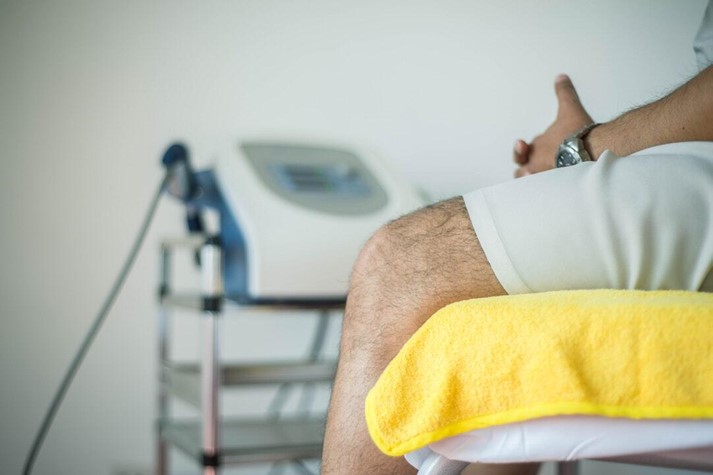
Physical Injury Due to Negligence of Others
When your body gets hurt due to someone else’s negligence, this can be a traumatic experience. Whether it’s a car accident or a workplace injury, the sudden physical trauma and pain can take a toll on one’s mental well-being. In these cases, seeking legal assistance and financial compensation can aid in alleviating some of the emotional burden and provide a sense of justice. According to a professional attorney at law in Atlanta, GA, holding the responsible party accountable can also bring a sense of closure and aid in the healing process. However, it is essential to address any underlying mental health issues that often arise as a result of the injury.
The Impact of Chronic Pain
Chronic pain can be physically debilitating and emotionally draining. It often arises from injuries such as back pain, joint pain, or nerve damage and can have long-lasting effects on a person’s mental health. Living with chronic pain often leads to feelings of frustration, hopelessness, and even depression. Therefore, individuals with chronic pain must seek professional help and develop coping mechanisms to manage their mental health alongside physical therapy.
The Invisible Battle
Physical injuries are visible, often demanding immediate attention. However, the invisible battle within—the emotional and psychological impact—can be equally debilitating. Understanding this connection is vital for comprehensive recovery, particularly for those who may not realize how intertwined their physical health is with their mental well-being.
When one is injured, the sudden disruption of daily life and physical capabilities can lead to feelings of frustration, helplessness, and isolation. This lifestyle change can create a fertile ground for anxiety, depression, and stress. Acknowledging these feelings is the first step toward addressing them.
Injury-induced stress can trigger the release of hormones like cortisol, which, at high levels, can hinder physical healing. This physiological response can exacerbate mental distress, creating a cycle that’s hard to break without targeted interventions. Spotting the early onset of mental health issues post-injury is crucial. Symptoms such as persistent sadness, irritability, change in appetite, and sleep disturbances can indicate that the psychological impact of the injury needs addressing alongside physical treatment.
The Mind-Body Connection
The interplay between mind and body is undeniable, particularly when recovering from an injury. A holistic approach integrating physical and mental health strategies is essential for full recovery. Research shows that mental distress can slow down physical healing and vice versa. Mental health is not just about feeling better; it directly influences the biological processes involved in recovery, such as immune response and inflammation.
Incorporating psychological support in physical rehabilitation programs can significantly enhance outcomes. Cognitive-behavioral therapy (CBT) can help patients reframe negative thoughts and promote a more positive mindset, accelerating physical recovery. Many athletes and individuals have successfully overcome not just their injuries but the accompanying mental health challenges. Their stories often highlight the importance of addressing both aspects simultaneously, providing inspiring examples of resilience and holistic healing.
Strategies for Mental Wellness Post-Injury
Addressing mental health doesn’t have to be complicated. Simple yet productive strategies can make a significant difference in the recovery process. Mindfulness practices, including meditation or deep breathing, can reduce stress and promote relaxation. These techniques can often be easily incorporated into daily routines and have been shown to improve overall mental well-being.
Having a solid support network is invaluable during recovery. Family, friends, and support groups all provide emotional backing, share experiences, and mitigate feelings of isolation that often accompany physical injuries. Seeking professional help from therapists or counselors can provide tailored strategies and coping mechanisms. Therapy often offers a safe space to express emotions and work through the psychological impact of injury.
The Role of Healthcare Providers
Healthcare providers have a crucial role in recognizing and addressing the mental health aspect of physical injuries. Their support can make a significant difference in a patient’s recovery journey. Physical therapists who incorporate mental health screenings and interventions can offer more comprehensive care. Encouraging open discussions regarding mental health can help patients feel more comfortable seeking the help they need.
Training healthcare practitioners to recognize the signs of mental distress in their patients ensures that mental health is not sidelined during physical recovery. This holistic approach fosters an environment where patients feel supported in all healing aspects. Collaborative care models involving a team of healthcare professionals, including mental health experts, can provide the most effective and personalized care plans. This integrated approach ensures that all patient well-being facets are addressed.
Building Resilience Through Recovery
Resilience is the key to overcoming both physical and mental challenges. Developing resilience can empower individuals to face their recovery with strength and determination. Setting realistic and achievable goals can prevent feelings of overwhelm and boost motivation. Celebrating small victories along the recovery path can foster a sense of accomplishment and progress.
Setbacks are a natural part of the recovery process. Learning to view them as opportunities for growth rather than failures can build emotional resilience and encourage a positive outlook. A growth mindset focuses on learning and improvement rather than limitations. Adopting this mindset can help individuals see their recovery as a journey of personal growth, enhancing their overall mental and physical well-being.

The connection between physical injuries and mental health is profound yet often underestimated. Individuals can achieve a more complete and meaningful recovery by acknowledging and addressing both aspects. Whether through mindfulness practices, building a solid support network, or seeking professional help, there are many ways to nurture mental wellness alongside physical healing.
Remember, healing is not just about returning to who you were before the injury—it’s about becoming a more robust version of yourself. If you’re navigating the complex path of recovery, consider exploring further resources or seeking professional guidance to ensure you’re caring for your mental health as diligently as your physical health.