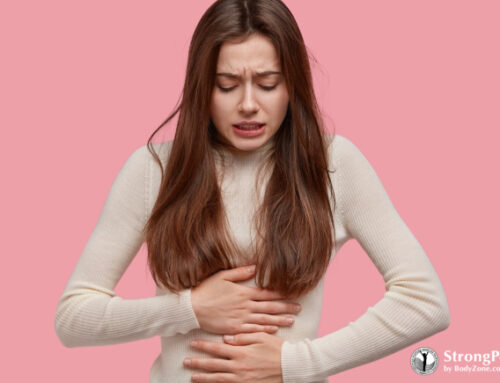
Perimenopause, the transitional phase leading up to menopause, can begin as early as a woman’s mid-30s or 40s and typically lasts for several years. During this time, one of the most common and often distressing symptoms is irregular menstrual cycles. This irregularity can manifest in various ways, from changes in flow and duration to unpredictable timing and even additional or skipped periods.
Understanding Irregular Periods in Perimenopause
The primary cause of menstrual irregularities during perimenopause is hormonal fluctuation. As the ovaries begin to produce less estrogen and progesterone, the delicate balance that regulates the menstrual cycle is disrupted. This can lead to:
- Changes in cycle length (shorter or longer)
- Heavier or lighter flows
- Sporadic ovulation
- Periods that start and stop
- Longer gaps between periods
While these changes are normal, they can be concerning and disruptive to daily life. It’s important to note that while periods may become irregular, pregnancy is still possible during perimenopause.
Natural Approach to Managing Irregular Periods
-
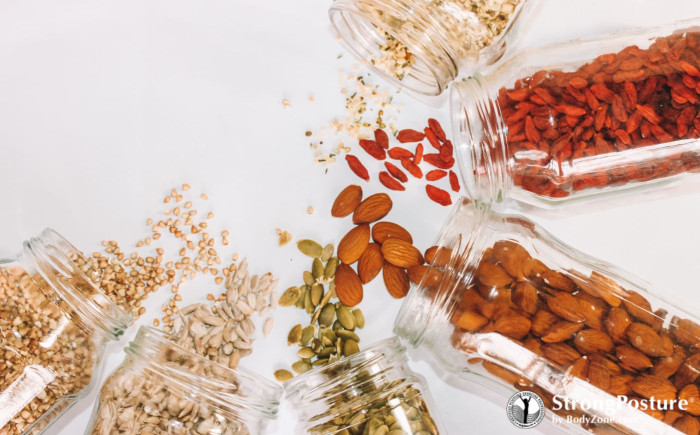
Seed Cycling: Harnessing Nature’s Hormonal Support
Seed cycling is a natural method that involves eating different seeds during specific phases of the menstrual cycle to support hormone balance.
How it works: Different seeds contain lignans and essential fatty acids that may help regulate estrogen and progesterone levels.
Usage:
- Days 1-14 of cycle (follicular phase): Consume 1 tablespoon each of freshly ground flax and pumpkin seeds daily.
- Days 15-28 (luteal phase): Switch to 1 tablespoon each of sesame and sunflower seeds daily.
Research: While scientific studies on seed cycling are limited, anecdotal evidence suggests it may help regulate cycles. A study in the Journal of Clinical Endocrinology & Metabolism found that dietary lignans can influence hormonal activity.
-
Vitex (Chasteberry): The “Women’s Herb”
Vitex, also known as chasteberry, has been used for centuries to address various women’s health issues, including menstrual irregularities.
How it works: Vitex is thought to act on the pituitary gland, influencing the release of luteinizing hormone (LH) and mildly inhibiting the release of follicle-stimulating hormone (FSH). This may help balance the ratio of progesterone to estrogen.
Usage:
- Typically taken as a supplement, with dosages ranging from 20-240 mg daily.
- It may take several months to see effects.
Research: A systematic review published in the Journal of Alternative and Complementary Medicine found that Vitex may be effective in treating irregular menstrual cycles and premenstrual symptoms.
-
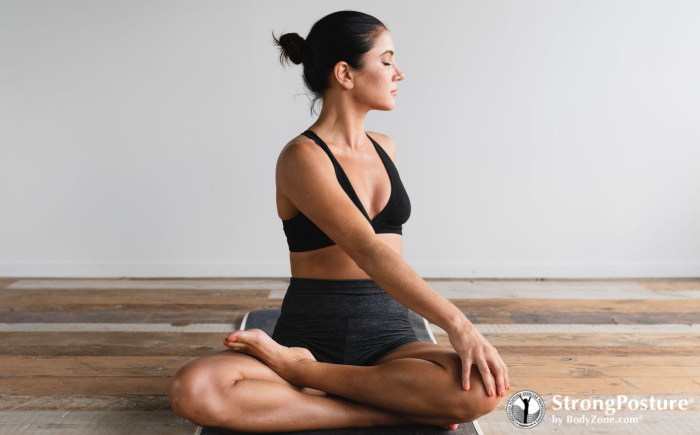
Stress Management and Mind-Body Techniques
Chronic stress can exacerbate hormonal imbalances and contribute to menstrual irregularities.
How it works: Stress reduction techniques can help lower cortisol levels, which in turn may help balance other hormones involved in the menstrual cycle.
Usage:
- Practice yoga, meditation, or deep breathing exercises for 15-30 minutes daily.
- Consider mindfulness-based stress reduction (MBSR) programs.
Research: A study published in the journal Menopause found that women who practiced mindfulness meditation experienced significant improvements in menopausal symptoms, including menstrual irregularities.
Lifestyle Factors to Consider During Perimenopause
In addition to these specific approaches, several lifestyle factors can support hormonal balance and potentially help regulate menstrual cycles:
- Regular exercise: Aim for at least 150 minutes of moderate-intensity exercise per week.
- Balanced nutrition: Focus on a diet rich in whole foods, including plenty of fruits, vegetables, and lean proteins.
- Adequate sleep: Prioritize getting 7-9 hours of quality sleep each night.
- Limit caffeine and alcohol: Both can disrupt hormone balance and exacerbate perimenopausal symptoms.
- Maintain a healthy weight: Being overweight or underweight can contribute to hormonal imbalances.
When to Seek Medical Advice
While irregular periods are common during perimenopause, it’s important to consult a healthcare provider if you experience:
- Extremely heavy bleeding or clots larger than a quarter
- Periods lasting longer than 7 days
- Spotting between periods or after intercourse
- Periods occurring closer together than 21 days
Perimenopause created Anxiety Because it’s Unpredictable
Navigating the unpredictable nature of perimenopausal periods can be challenging, but understanding the changes and applying natural management strategies can help. Remember that every woman’s experience of perimenopause is unique, and what works for one may not work for another. It’s always advisable to work with a healthcare provider or nutritionist, as well as doing your own research to develop a personalized and natural approach to managing perimenopausal symptoms.