You toss and turn all night. Morning arrives, and your jaw feels tight, your teeth achy. You suspect you grind your teeth at night (bruxism), a common condition affecting millions of Americans. But what if the culprit isn’t just stress? What if your posture is playing a sneaky role in this nocturnal teeth gnashing?


How Posture Impacts Your Jaw
Here’s how poor posture–bad posture and forward head posture in particular–can lead to teeth grinding, both awake bruxism and sleep bruxism:
- Head Tilt: Imagine constantly tilting your head forward, like when you hunch over your phone. This strains the muscles in your neck and jaw, eventually leading to clenching and grinding.
- Rounded Shoulders: Slouching throws your entire upper body out of alignment. This puts extra stress on your temporomandibular joint (TMJ), the joint connecting your jaw to your skull, which can trigger grinding.
- Forward Head Posture: This posture, where your head juts forward, stretches the muscles that support your head and neck. This constant tension can translate into teeth grinding.


TMJ Disorders: The Culprit in the Middle
The TMJ is susceptible to misalignment when your posture is off. This misalignment can lead to a condition called temporomandibular joint disorder (TMJ disorder or TMD). TMJ disorder is a common cause of teeth grinding, and it can cause a variety of other symptoms, including:
- TMJ pain and jaw pain
- Clicking or popping sounds when you open or close your mouth
- Facial pain or earaches
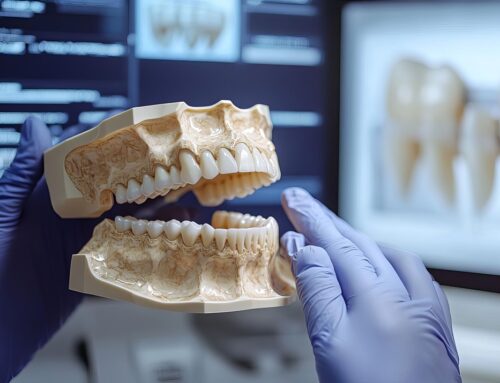
- Tooth enamel wear and tear, potentially leading to tooth damage and even tooth loss
If you’re experiencing any of these symptoms, it’s important to schedule an appointment with a dentist to discuss your concerns. Ferris Lane Dental and other local dental clinics can help diagnose TMJ disorders and recommend appropriate treatment plans. Early diagnosis and intervention are key to managing TMJ symptoms and preventing complications.
Addressing the Root Cause of Teeth Grinding
If you suspect posture might be behind your teeth grinding, don’t just accept it as fate. Here’s how to fight back and potentially reduce your risk of various dental issues:
- Posture Patrol: Be mindful of your posture throughout the day. Sit up straight with your shoulders back and head held high. Invest in ergonomic furniture for your workspace to help maintain good posture.
- Stretch It Out: Regularly stretch your neck and jaw muscles to release tension. Simple neck rolls and jaw stretches can make a big difference in reducing muscle tension and orofacial pain.
- Strengthen Your Core: A strong core helps maintain proper posture. Exercises that target your core muscles can improve your overall alignment and reduce strain on your jaw, potentially reducing your risk of TMJ disorders and sleep disorders like sleep apnea.
- Relaxation Techniques: Stress can worsen both posture and teeth grinding. Practice relaxation techniques like deep breathing and meditation to manage stress and ease jaw tension. This can also be helpful for stress reduction in general.
Preventing TMJ Pain and Beyond
Here are some posture-saving tips for common daily activities that can help prevent TMJ pain and other health problems:
- Sitting: Adjust your chair height so your feet are flat on the floor and your knees bent at a 90-degree angle. Use a lumbar support pillow for extra back comfort.
- Standing: Stand tall with your shoulders back and down. Distribute your weight evenly on both feet. Avoid slouching or locking your knees.
- Sleeping: Invest in a supportive pillow that keeps your head and neck in alignment. Avoid sleeping on your stomach, which can strain your neck.
The Benefits of Good Posture
Focusing on good posture isn’t just about stopping teeth grinding and preventing TMJ disorders. Here are some other benefits of good posture:
- Reduced Back Pain: Proper posture takes the strain off your back muscles, preventing pain and discomfort.
- Improved Breathing: Good posture allows your lungs to expand fully, leading to better oxygen intake.
- Boosted Confidence: Standing tall and proud can give you a confidence boost and project a positive image.
Addressing TMJ Symptoms and Sleep Disorders
If you’re experiencing severe TMJ symptoms like chronic pain, dull headaches, or difficulty opening your mouth, consult a healthcare provider. They can conduct a thorough examination to diagnose the cause and recommend further treatment options. This might include:
- Medication: In some cases, medication like muscle relaxants might be prescribed to manage muscle tension and pain, particularly if stress is a major contributing factor. Other medications might include antidepressants, corticosteroids, and non-steroidal anti-inflammatory drugs (NSAIDs).
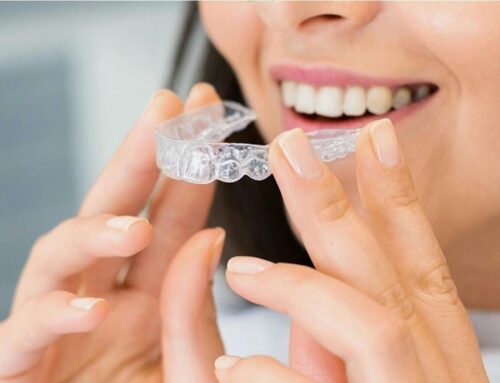
- Splints and Mouth Guards: While night guards are helpful for protecting teeth from grinding damage during sleep (sleep bruxism), dentists might recommend specific splints for daytime use to help relax the jaw muscles and improve jaw joint function.
- Surgery: In rare cases, surgery might be considered for severe TMJ disorders that don’t respond to conservative treatment options. However, this is usually a last resort.
Lifestyle Changes for Long-Term Management
In addition to the treatment options mentioned above, adopting healthy lifestyle habits can significantly improve TMJ symptoms and overall well-being:
- Diet: Maintaining a healthy diet that avoids hard, chewy foods can help reduce stress on the jaw muscles.
- Warm Compress: Applying a warm compress to the sides of your face for short periods can help ease muscle tension and promote relaxation.
- Stress Management: Chronic stress can exacerbate TMJ symptoms. Techniques like meditation, yoga, and spending time in nature can be helpful for stress reduction.
- Avoiding Stimulants: Limiting caffeine and alcohol intake can also help manage TMJ symptoms, as these substances can worsen muscle tension and sleep quality.
In Closing
Don’t let teeth grinding and TMJ steal your smile! With the right posture and the help of your dentist, you can break free from discomfort and reclaim a pain-free, healthy you. Call your local dental clinic today and take the first bite toward a better tomorrow!