Countless individuals across the globe face challenges with sleep apnea, a persistent sleep condition marked by frequent interruptions and decreases in breathing during the night. Beyond the disruptive sleep patterns and daytime fatigue, sleep apnea can have a significant impact on overall health, increasing the risk of cardiovascular disease, diabetes, and stroke. But what many people don’t realize is the surprising connection between sleep apnea and oral health. This article explores the scientific evidence linking these two conditions and delves into the treatment implications for a healthier night’s sleep and a brighter smile.
A Quick Look on Sleep Apnea
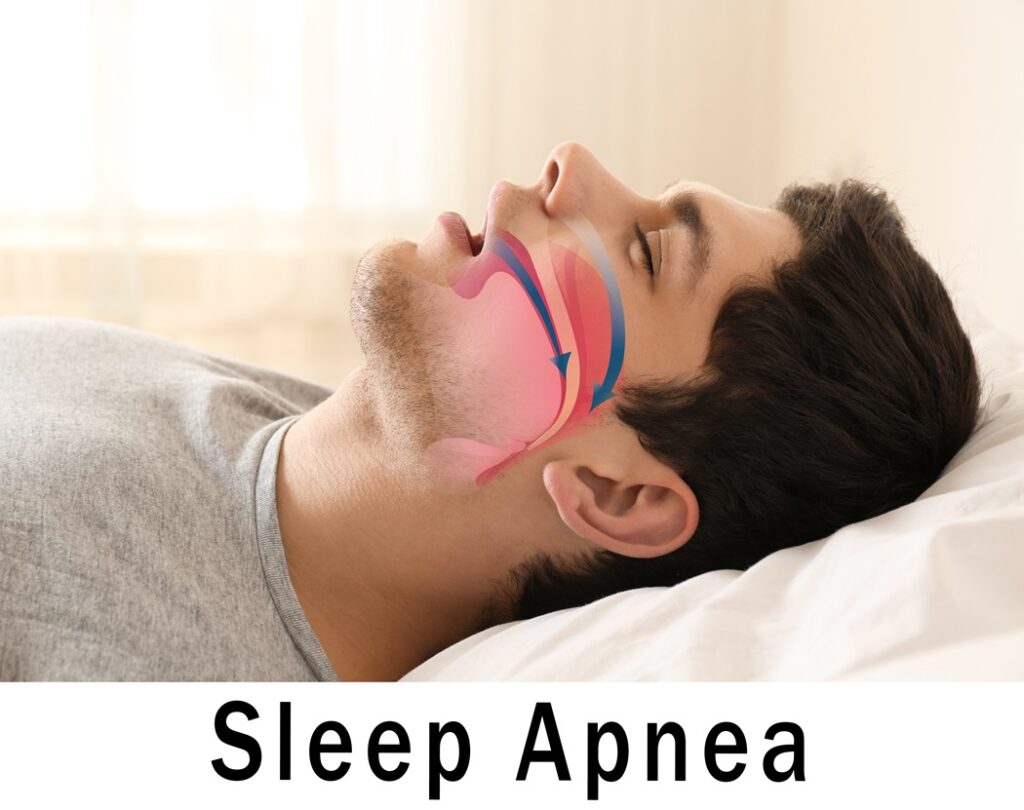
Sleep apnea—a condition marked by repeated interruptions or shallow breaths while sleeping. These episodes can occur hundreds of times a night, disrupting your sleep cycle and preventing your body from getting the oxygen it needs. Below are its three classifications:
- Obstructive Sleep Apnea (OSA) is the most prevalent form of the condition and happens when the upper airway is obstructed during sleep. This obstruction might result from enlarged tonsils, an oversized tongue, or additional tissue at the back of the throat. According to a report, OSA affects an estimated 39 million Americans.
- Central Sleep Apnea (CSA) isn’t as common as its counterpart, Obstructive Sleep Apnea. It happens when our brain doesn’t properly communicate with the muscles responsible for breathing. This issue might stem from specific health problems or even the side effects of certain medications.
- Complex Sleep Apnea is a mix of both Obstructive Sleep Apnea and Central Sleep Apnea.
Recognizing the Signs
Many people don’t realize they have sleep apnea because it often goes unnoticed—after all, you’re asleep while it’s happening. However, there are several common symptoms to watch out for:
- Feeling tired and sluggish throughout the day, even after a full night’s sleep
- Loud snoring, especially with gasping or choking sounds
- Restless sleep or frequent awakenings throughout the night without remembering them
- Morning headaches
- Dry mouth or sore throat upon waking
- Difficulty concentrating or memory problems
If you experience any of these symptoms, it’s important to talk to your doctor or a family dentist. They can assess your risk factors and recommend a sleep study to confirm a diagnosis of sleep apnea.
The Connection Between Sleep Apnea and Oral Health
While sleep apnea disrupts your sleep and overall health, it can also wreak havoc in your mouth. The repeated airway closures and oxygen deprivation that occur during sleep apnea episodes can negatively impact your oral structures and dental health. Let’s explore the scientific evidence connecting these two conditions.
Dry Mouth
Dry mouth is a primary concern in the oral health complications associated with sleep apnea. If nasal breathing is obstructed during sleep, mouth breathing becomes necessary, which in turn reduces saliva production. Saliva plays a crucial role in cleansing the mouth, preventing cavities, and supporting a healthy oral environment. The persistent dry mouth that often accompanies sleep apnea turns the mouth into an ideal environment for bacterial growth, thereby elevating the risk of tooth decay and gum disease.
Bruxism and TMJ Disorders
Sleep apnea can also lead to teeth grinding (bruxism) and temporomandibular joint (TMJ) disorders. The effort to maintain breathing during sleep can lead to unconscious jaw clenching or teeth grinding. This continuous stress can erode tooth enamel, lead to jaw pain, and result in TMJ disorders, which are defined by pain and discomfort around the jaw joint.
A Healthy Mouth Starts with Better Sleep
Understand the link between dental health and sleep apnea for early intervention and treatment. If left unaddressed, this sleep disorder can cause severe oral health complications. Addressing sleep apnea not only improves rest but also protects your oral health in the long run.
Treatment Options Involving Oral Health Professionals
Dental professionals have a variety of tools at their disposal to help manage sleep apnea, focusing particularly on devices that facilitate better breathing during sleep.
Custom Oral Appliances
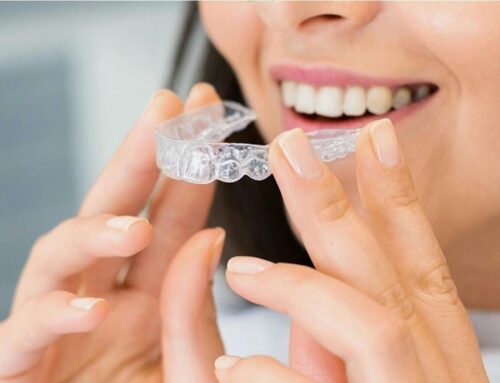
One of the primary treatments provided by dentists for sleep apnea is the fitting of custom oral appliances. These devices are designed to adjust the position of the jaw and tongue during sleep, thereby enhancing airway openness.
- Mandibular Advancement Devices (MADs): These are the most commonly used oral appliances for sleep apnea. They work by moving the lower jaw slightly forward, which helps keep the airway open and reduces the air resistance that contributes to sleep apnea.
- Tongue-Retaining Devices: Another effective tool, these devices hold the tongue in a forward position to prevent it from blocking the airway during sleep. They are particularly useful in cases where the tongue tends to fall back and obstruct the airway.
The management of sleep apnea often benefits from a collaborative approach between dental and medical professionals. Such collaboration ensures comprehensive care, addressing not just the symptoms but the underlying causes of sleep apnea. For many patients, combining oral appliance therapy with medical treatments such as CPAP (Continuous Positive Airway Pressure) provides the best outcomes. Dental professionals work closely with sleep specialists to coordinate treatment plans that incorporate both CPAP use and oral appliance therapy as needed.
The Road to a Healthier You
Even with the best sleeping position, sleep apnea does a lot more than just rob you of a good night’s sleep—it can also take a toll on your oral health. If you have sleep apnea, you might find yourself dealing with more cavities, gum disease, or even tooth erosion. The good news is that with proper diagnosis and treatment, you can address both sleep apnea and its oral health complications.
If you think sleep apnea is messing with your sleep or your dental health, don’t wait—talk to your doctor about it. Being proactive about handling sleep apnea can really boost your quality of life. It lets you breathe more easily, enjoy better sleep, and keep smiling brightly.