Did you know that physical activity is one of the most important things you can do for your health and well-being? It’s not just about looking good – exercise has a host of benefits that go far beyond appearances. In this blog post, we will discuss the many reasons why physical activity is so important, and we will provide tips on how to get more active in your everyday life!
1. Improved Cardiovascular Health
Physical activity is essential for good cardiovascular health. Regular physical activity helps to reduce the risk of developing heart disease, stroke, and other chronic conditions by improving blood flow and strengthening the heart muscle. It also increases levels of HDL (the “good” cholesterol) while reducing triglycerides and LDL (the “bad” cholesterol). As a result, levels of circulating cholesterol in the blood become more balanced, which decreases your risk of developing cardiovascular disease. You can search online for gym classes near me and find the right fit for your needs to improve your cardiovascular health. Additionally, physical activity can help to lower blood pressure – another major factor in reducing the risk of heart attack and stroke.
2. Improved Mental Health
Regular physical activity has been linked with improved mental health benefits such as increased self-esteem, decreased stress levels, improved mood, and increased happiness. Exercise can also reduce the symptoms of anxiety and depression, both in healthy people and those who suffer from mental illnesses. This is because physical activity releases endorphins – natural hormones which have been linked with improved mood and feelings of well-being. Additionally, exercise helps to improve cognitive functioning by increasing supplies of oxygen to the brain and improving circulation throughout the body.
3. Stronger Muscles
One of the most obvious benefits of physical activity is that it strengthens your muscles. Regular exercise not only tones existing muscles but also helps to build new muscle fibers – helping you look better while also reducing your risk of developing chronic injuries such as back pain or tendonitis. Strength training exercises are especially beneficial for older adults since they can help to reduce the risk of osteoporosis. Make sure you lift weights that are appropriate for your fitness level and always focus on proper form while lifting.
4. Improved Flexibility
Physical activity also helps to improve flexibility, which is important for maintaining joint health and mobility. Stretching exercises should be included in your regular workout routine, as they help to increase the range of motion in your joints and muscles – helping you move with greater ease and comfort throughout the day. Yoga is a great option if you’d like to work on improving flexibility while also engaging in a relaxing exercise routine.
5. Weight Control
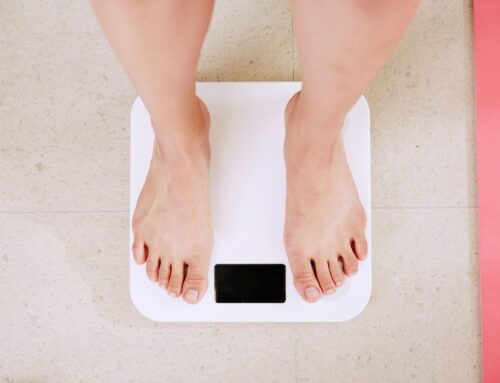
Exercise can also help with weight control, as it burns calories while increasing muscle mass. It’s important to note that physical activity alone isn’t enough for weight control – it needs to be combined with healthy eating habits as well. But exercise can certainly help you reach your goals by increasing your metabolic rate and helping you burn fat more quickly. Also, regular physical activity can help to reduce levels of abdominal fat, which is linked with a higher risk for obesity and metabolic syndrome. It’s important to talk to a doctor or nutritionist if you’re looking to lose weight quickly and safely.
6. Improved Sleep
Next, physical activity can improve your sleep quality and duration. Exercise helps to regulate your circadian rhythms – the body’s natural clock which determines when it’s time to wake up and fall asleep. Regular exercise also helps to reduce stress levels, which is important for relaxing in bed and falling asleep quickly. Additionally, exercise can help to reduce any physical pain or discomfort which might be interfering with your sleep. It’s important to talk to your doctor if you’re having difficulty sleeping, as there may be underlying causes that need to be addressed.
7. Better Balance
Finally, physical activity can help to improve your balance and coordination. This is especially important for older adults, as it helps to reduce the risk of falls and injuries. Balance exercises such as tai chi or yoga are especially helpful in this regard, as they help to increase muscle strength while also improving posture and range of motion. Additionally, activities like dancing or jumping rope can help to strengthen your core muscles and improve overall coordination.
Can anyone start to exercise by themselves?
Yes, anyone can start to exercise by themselves. However, it is important to note that beginners should take special care when starting an exercise routine on their own. Before beginning any physical activity, it’s important to consult with a doctor or physical therapist to make sure that the exercises are safe and appropriate for your fitness level. Additionally, it is advisable to start slowly and gradually build up the intensity over time so as not to overtax your body.
It’s also important for beginners to be aware of proper form during exercise. Improper form increases the risk of injury while also reducing the effectiveness of the movement – so make sure you’re doing each exercise correctly to get the most benefit from your workout routine. Additionally, don’t forget to warm up and cool down before and after your workouts. This can help to prevent injury while also improving the range of motion and flexibility during physical activity.
Beginners should also consider adding variety to their workout routine to make exercising more enjoyable. Try different types of exercises – such as aerobics, strength training, yoga, or pilates – so that you can find something that works for you. Additionally, don’t be afraid to change the length or intensity of your workouts from time to time. If you’re feeling bored with a certain activity, try something new!

These are just a few of the reasons why physical activity is important for health and well-being. Regular exercise offers many other benefits, such as lowering blood pressure, improving heart health, reducing the risk of certain cancers, boosting energy levels, and much more. Make sure to talk to your doctor about an appropriate workout routine based on your current fitness level and goals. Good luck!