A Computed Tomography (CT) scan is a medical imaging procedure that utilizes specialized X-ray equipment to create detailed cross-sectional images of the body. These images help doctors diagnose and monitor various medical conditions. Understanding what happens during a CT scan can alleviate any apprehensions and provide insight into its significance in medical diagnostics.
Preparation for the CT Scan
Before undergoing a CT scan, proper preparation is essential to ensure accurate results. The preparation steps may vary depending on the type of CT scan being performed. Patients are typically advised to wear comfortable, loose-fitting clothing and may be asked to change into a hospital gown. Jewelry and metal objects should be removed as they can interfere with the imaging process.
In some cases, patients may need to fast for a few hours before the scan, especially if a contrast material will be used. This contrast material, often ingested orally or administered intravenously, helps highlight specific areas of the body, making the images clearer. It is crucial to inform the healthcare provider of any allergies, especially to iodine or shellfish, as these may indicate a potential reaction to the contrast material.
Arrival and Registration
Upon arriving at the imaging center or hospital, patients will check in at the reception and complete any necessary paperwork. This paperwork often includes a medical history form and a consent form for the procedure. The radiologic technologist, who is trained to perform the CT scan, will greet the patient and provide a brief overview of the procedure.
The technologist will explain the process, answer any questions, and address any concerns the patient might have. This communication helps to ensure that the patient feels comfortable and understands the importance of remaining still during the scan to obtain clear images. The technologist will also confirm if the patient has any implanted medical devices, such as pacemakers, which might affect the procedure.
Positioning and Scanning Process
Once the patient is prepared and any preliminary steps are completed, they will be escorted to the CT scanning room. The CT scanner is a large, doughnut-shaped machine with a central opening. The patient will lie down on a motorized examination table, which moves through the opening of the scanner. The technologist will position the patient on the table, ensuring they are in the correct posture to capture the necessary images.
Patients must remain still during the scan, as any movement can blur the images. In some cases, the technologist may use straps or pillows to help the patient stay in place. The scanning process itself is painless and typically takes only a few minutes, though the total time spent in the room may be longer due to positioning and preparation.
Use of Contrast Material
For certain CT scans, the use of contrast material is essential to enhance the visibility of specific tissues or blood vessels. The contrast material can be administered in various ways, depending on the area being examined. Oral contrast is typically used for imaging the digestive tract, while intravenous contrast is used for blood vessels and organs.
Patients receiving intravenous contrast will have an IV line inserted into a vein, usually in the arm. They may experience a warm sensation or a metallic taste in their mouth when the contrast material is injected. It is important to inform the technologist of any discomfort or allergic reactions, although these are rare. The contrast material helps create a clearer distinction between different tissues, allowing for more accurate diagnosis.
Image Acquisition and Processing
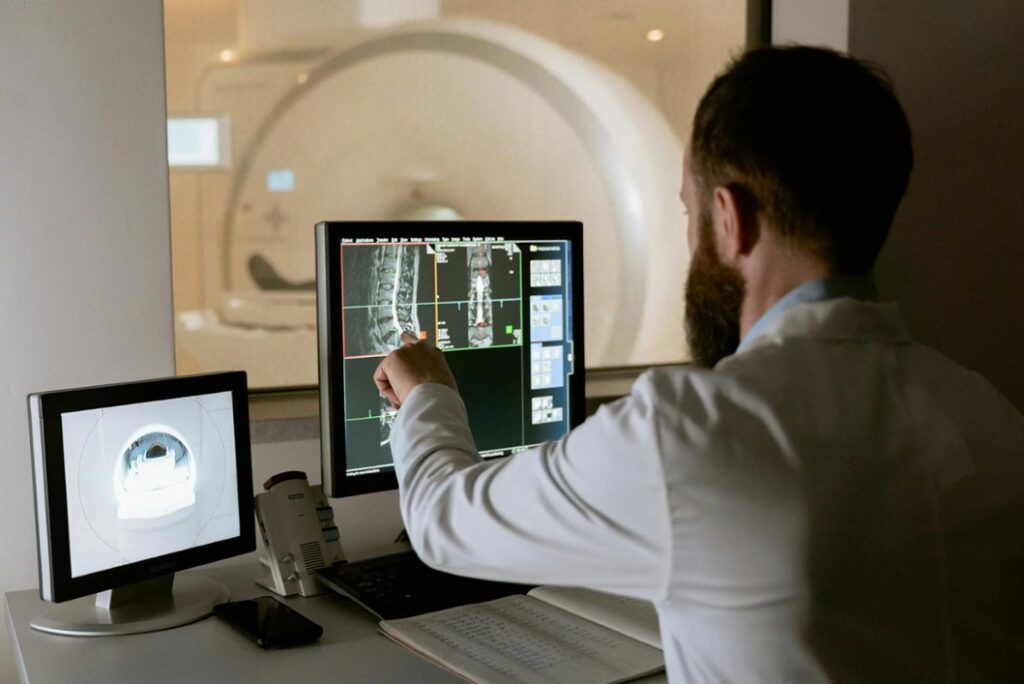
During the scan, the CT machine rotates around the patient, capturing multiple images from different angles. These images are then processed by a computer to create cross-sectional slices of the body. The technologist operates the scanner from a separate control room, where they can see and communicate with the patient through an intercom system.
Patients may be asked to hold their breath for a few seconds during the scan to minimize any movement and ensure high-quality images. The technologist monitors the images as they are taken, ensuring they are clear and sufficient for diagnostic purposes. Once the necessary images are captured, the patient is moved out of the scanner, and the IV line is removed if contrast material was used.
Post-Scan Procedures
After the CT scan, patients can generally resume their normal activities immediately. If contrast material was administered, they might be advised to drink plenty of fluids to help flush it out of their system. The technologist will provide any specific post-scan instructions based on the patient’s individual case.
The images obtained during the scan are reviewed by a radiologist, a doctor specializing in interpreting medical images. The radiologist will analyze the images and prepare a detailed report of the findings, which is then sent to the referring physician. The physician will discuss the results with the patient and determine the next steps in their medical care.
Finding a CT Scan Near You
If you need to schedule a CT scan, it is important to find a reputable imaging center. Searching for a “CT scan near me” can help you locate facilities which offer high-quality imaging services. Choosing a convenient and trusted location ensures you receive the best possible care and accurate diagnostic results.
Benefits and Risks of CT Scans
CT scans offer numerous benefits, making them a valuable tool in medical diagnostics. They provide detailed images of bones, organs, and tissues, allowing for the accurate detection and monitoring of various conditions. CT scans are non-invasive, quick, and can be performed on virtually any part of the body.
However, like any medical procedure, CT scans come with some risks. The primary risk is exposure to radiation, though the amount is generally low and considered safe for most patients. The benefits of obtaining critical diagnostic information usually outweigh the risks. Patients should always discuss any concerns with their healthcare provider, who can explain the necessity and safety of the procedure.

Understanding what happens during a CT scan can help alleviate any anxiety and provide insight into its critical role in medical diagnostics. From preparation to post-scan procedures, each step is designed to ensure accurate and safe imaging. By choosing a reputable facility and following the guidance of healthcare professionals, patients can benefit from the detailed insights provided by CT scans. These scans continue to be an indispensable tool in modern medicine, aiding in the diagnosis and management of various health conditions.