 Participating in sports and physical activities is a great way to keep fit and healthy. However, it also comes with the risk of injuries, and recovering from them can be a slow and painful process. Whether a professional athlete or an amateur sports enthusiast, a sports injury can disrupt your routine and put you out of commission for weeks or even months. That’s why it’s crucial to know how to speed up your recovery from a sports injury so you can get back to your favorite activities as quickly and safely as possible. This blog post discusses practical ways to speed up your recovery and return to your active lifestyle.
Watch Your Diet
Eating a balanced and nutritious diet is essential for the recovery process. Eating foods containing essential vitamins and minerals can help your body heal faster while providing the energy to get through the day. It’s important to remember that everyone’s nutritional needs are different, so it’s best to consult a qualified nutritionist who can provide personalized advice on what foods to include in your diet.
Water is also essential for recovery and should be consumed in ample amounts throughout the day. Staying hydrated will help flush out toxins and promote healthy cell regeneration.
Eating a balanced diet can also help to maintain your weight, which is crucial if you have suffered an injury that limits your activity level.
Look for foods high in healthy fats, proteins, and complex carbohydrates, such as whole grains. Leafy greens and fruits can also help provide vitamins and minerals that can aid recovery.
Some foods slow down the healing process, so it’s best to avoid processed and sugary foods. Caffeine may also harm the healing process, so limit your coffee intake.
Get Enough Rest
The most important thing you can do when recovering from a sports injury is to get plenty of rest. This might mean taking several days off from physical activity or even taking an extended period of rest if your injury requires it. When resting, try to remain as inactive as possible so that your body has the chance to heal correctly.
Muscle repair requires time and rest, so avoid pushing yourself too hard. Take it slow and give yourself plenty of time to recover before attempting strenuous tasks or sports movements. If you’re having trouble getting plenty of sleep, find ways to relax during the day. When the time comes to go back to more physical activities, start slowly by doing some light stretching and exercises. Rushing into more advanced exercises can worsen the injury and make it take longer to recover.
Get Professional Help
Depending on the severity of your injury, it may be beneficial to get professional help from a physical therapist or other medical professionals. Working with a qualified professional can help you better understand how to care for your injury properly and provide valuable advice on how to speed up the healing process.
It’s important to note that if you experience severe pain, sudden changes in movement, or any other problematic symptoms while exercising, it’s best to seek professional help. Sydney’s leading physio team can provide you with specialized exercises and treatments that can help reduce your pain and improve your overall recovery. They can also provide advice on how to prevent future injuries.
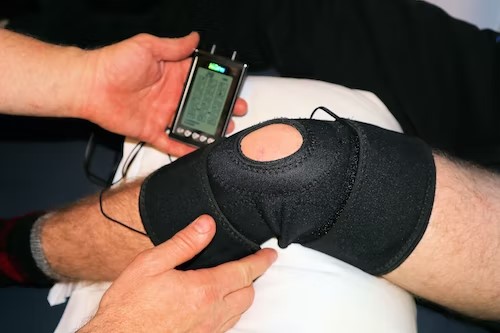
Consider bracing or taping, which can help reduce pain and provide support for your injured area. If you need surgery, your doctor can provide you with the best options to help you fully recover. The sooner you seek help, the more effective your treatment will be.
Take Care of Your Mental Health
Being on the sidelines for any length of time can be difficult, so taking care of your mental health during recovery is essential. It’s normal to feel frustrated and discouraged sometimes; however, there are ways to prevent these negative feelings from taking over.
Try engaging in activities that make you feel good such as reading, writing, or listening to music. Exercise can also be beneficial if it’s done in moderation and with proper supervision. Yoga, Pilates, and swimming can benefit both body and mind. Breathing exercises and meditation can also help manage stress.
It’s also important to stay connected with family and friends and talk about your feelings. Having a solid support system is key to getting through challenging times. Remember to take time for yourself. Taking a break from your recovery routine and treating yourself to something special can help boost morale and provide a much-needed distraction from the healing process.
Use Ice and Heat Therapy
Heat and cold therapy can help reduce inflammation and swelling, speeding up the healing process for many sports injuries. For acute injuries, it’s best to start with ice therapy to reduce swelling, followed by heat therapy to help with mobility and flexibility.
When using heat or cold therapy, ensure the right temperature and duration for your injury. Too hot or too cold can cause more harm than good. It’s best to consult a qualified medical professional who can advise you on how best to use these therapies for your specific injury. The following are a few helpful tips to keep in mind when using heat and cold therapy:
- Never apply heat or cold directly to the skin; use a towel or protective barrier between the heat or cold source and your skin
- Apply for no more than 20 minutes at a time, several times daily
- Check with your doctor before using cold or heat therapy to ensure it is safe for your particular injury
Consider Supplements
Supplements can also be used to help speed up the healing process. Some supplements, such as omega-3 fatty acids and turmeric, are said to reduce inflammation and speed up recovery time. It’s best to consult a qualified medical professional before taking any supplements to ensure they’re safe for your particular situation. In addition to supplements, other natural remedies may help with recovery. Herbal teas, acupuncture, and massage therapy can all provide beneficial results for healing an injury.
These natural therapies have been used for centuries to help people recover from injuries and illnesses. Still, it’s important to remember that they should never be used as a replacement for professional medical advice. Generally, recovering from a sports injury can be a long and frustrating process. However, there are ways to speed up the recovery process and get back to doing what you love. Remember to take it slow, listen to your body, and be patient. With time and effort, you’ll be able to get back in the game and reach your full potential.