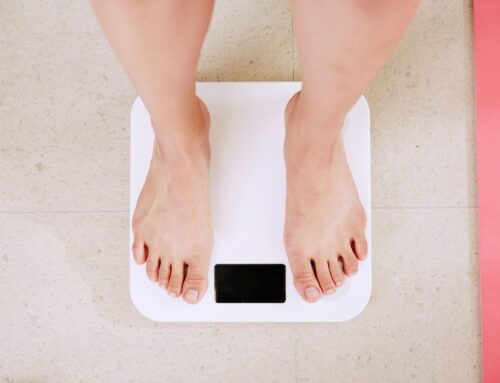
In fitness and wellness, leg health often takes a backseat to more glamorous goals like muscle gain, weight loss, and flexibility. However, the health of your legs is a fundamental aspect of overall well-being, affecting everything from your ability to engage in daily activities to your performance in sports and exercise. One condition that underscores the importance of leg health in your fitness routine is Thrombophlebitis.
This inflammatory process causes a blood clot to form and block one or more veins, typically in the legs. This condition not only highlights the risks associated with neglecting leg health but also serves as a reminder of the need for a balanced approach to fitness that includes leg health as a cornerstone.

Recognizing the Signs of Thrombophlebitis
Thrombophlebitis often shows itself through indications including discomfort, swelling, redness, and warmth in the impacted leg. Occasionally, these signs may be wrongly recognized as muscle tenderness after an intense exercise routine, prompting individuals to overlook the necessity for medical care. Yet, distinguishing between regular post-exercise unease and the markers of a more critical condition, such as thrombophlebitis, is vital for avoiding issues that can emerge if left untreated.
Some common symptoms to watch out for include increased pain or tenderness in the leg with movement or touch. The affected area may also feel hot to the touch compared to the other leg. It is advisable to see a doctor immediately if one notices swelling in the calves and redness or discoloration of the skin. Early diagnosis and treatment can help reduce long-term complications like post-thrombotic syndrome that may arise from delayed care.
Integrating Leg Health into Your Fitness Routine
Maintaining healthy legs is more than just focusing on leg-centric exercises a few times weekly. A well-rounded approach considers flexibility, hydration, and listening to your body for potential concerns. Low-impact activities that enhance circulation, such as walking, swimming, and cycling, can be precious in avoiding such problems as thrombophlebitis by encouraging blood flow to and from the legs.
Additionally, including strength-building moves targeting the legs has benefits like improving circulation overall and lessening the chance of developing blood clots. Be sure to stretch both before and after workouts as well. Staying hydrated also lends itself to optimizing leg health. Making these strategies part of a consistent routine sets the stage for solid, problem-free legs.
Preventive Measures and Lifestyle Adjustments
There are several lifestyle changes one can make to help lower the chances of developing thrombophlebitis beyond regular physical activity. Maintaining healthy body weight is essential since being overweight puts extra strain on the circulatory system. Additionally, it’s best to avoid prolonged periods of inactivity as much as possible. Getting up to walk around for a few minutes each hour can help blood flow smoothly through the legs if your work involves long stretches of sitting.
Drinking plenty of water also plays a role by keeping the blood from becoming too thick. Staying hydrated assists circulation. Individuals with jobs that require them to sit for most of the day will benefit from brief periods of movement to and from their work area or station. Taking short walks during breaks helps legs and reduces risk.
Furthermore, donning compression hosiery during exercise sessions or flights, particularly for individuals at elevated hazard of thrombophlebitis, can supply extra help by encouraging bloodstream and decreasing the odds of clot development. These precautionary steps, together with a balanced physical fitness schedule, emphasize the significance of leg wellbeing not just for athletic execution but rather for general physical prosperity.
Wearing compression stockings can lessen strain on leg veins and help blood stream back to the heart, working to forestall dangerous conditions. While workouts and travel are essential parts of ordinary life, taking preemptive measures like wearing compression hosiery can support leg well-being now and later on. Overall physical fitness provides advantages from head to toe when each body part receives attention and support.
Conclusion
Leg health is essential in a well-rounded fitness routine, as it helps prevent dangerous conditions and allows you to pursue your goals. Thrombophlebitis is one such condition that healthy legs can avoid. A person can protect their leg health even while exercising hard by learning its symptoms and taking preventive measures like stretching as part of daily activities.
Emphasizing solid legs is not just about achieving athletic success; it ensures the foundation for long-term mobility and wellness. As we continuously challenge our physical capabilities, we must not forget to care for what our bodies stand upon. Prioritizing leg care ensures that pursuing fitness remains balanced and sustainable over the long run, setting the stage for an active and healthier lifestyle.