Athlete’s foot emerges as a common condition often underestimated for its impact on personal health, serving as a stark reminder of the ongoing battle between human skin and fungal pathogens. It emphasizes the need for a delicate balance to maintain skin health and how easily one can disrupt this balance.
That said, this guide delves into the intricacies of athlete’s foot, highlighting the causes and symptoms. It navigates through a comprehensive suite of preventative strategies, cutting-edge treatment options, and insightful tips aimed at individuals looking to protect their health from this pervasive fungal threat.
What Is Athlete’s Foot?
The athlete’s foot, medically known as tinea pedis, is a common fungal infection that affects the skin on the feet, and occasionally, the toenails. Dermatophytes, a type of fungi thriving in warm, moist environments, cause it—turning locker rooms, swimming pools, and areas around public showers into prime locations for acquiring the infection.
For those seeking professional advice or treatment for such conditions, reputable clinics like Eastern Idaho Foot Clinic offer specialized services to manage and prevent athlete’s foot effectively. Remember that recognizing and treating this infection promptly can prevent its spread and alleviate discomfort, underscoring the value of specialized foot care services.
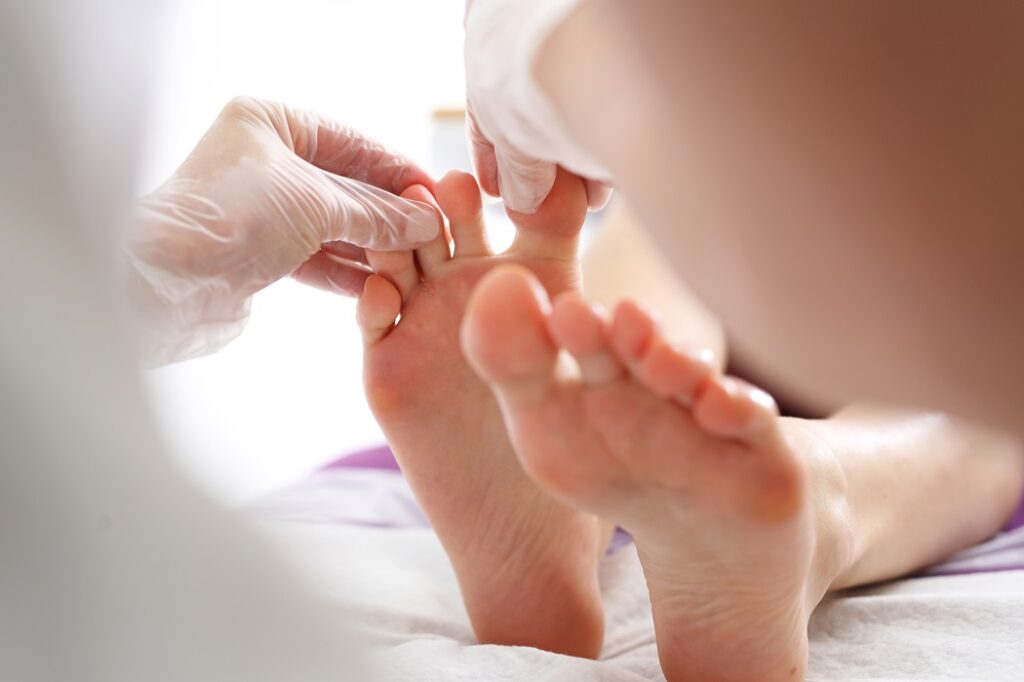
Symptoms Of Athlete’s Foot
The symptoms and signs of athlete’s foot can vary from mild to severe, depending on the type of fungus causing the infection and the individual’s response to it. Here are the most common symptoms and signs of athlete’s foot:
Common Symptoms
- Itching, Stinging, and Burning Sensations: These sensations often serve as the initial warning signs of athlete’s foot, primarily affecting the areas between the toes and the soles of the feet. The discomfort is a direct result of the fungal invasion, signaling the body’s response to unwelcome guests.
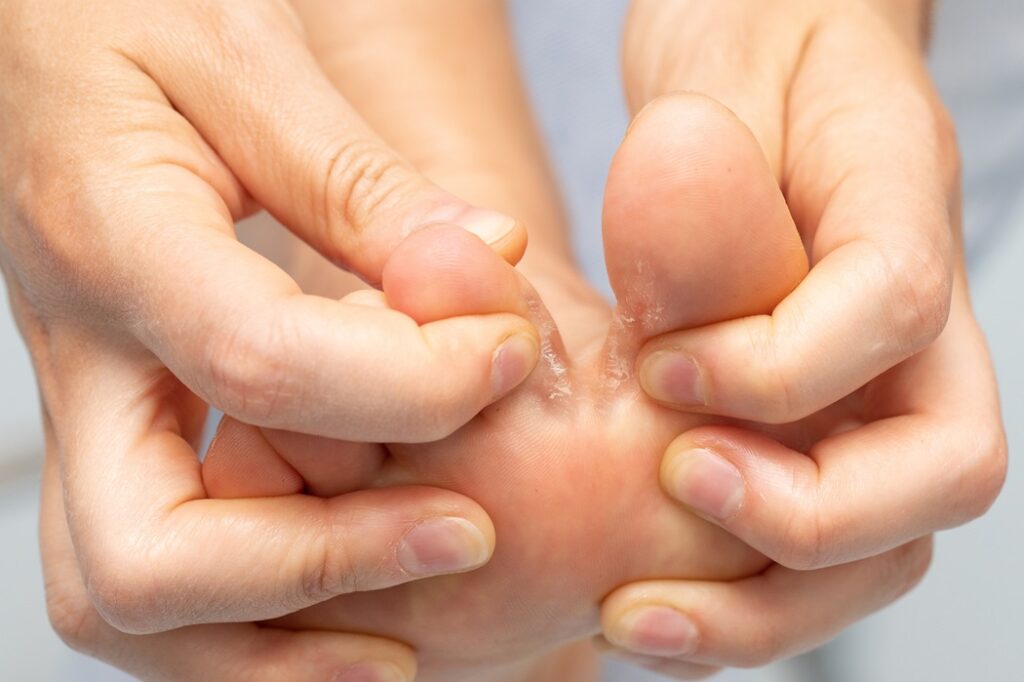
- Cracked, Flaky, or Peeling Skin: As the infection progresses, the skin, especially between the toes and on the soles, may become cracked, flaky, or start peeling. This deterioration is the fungus feasting on the skin cells, disrupting the natural integrity of the skin.
- Redness and Inflammation: The affected areas may exhibit noticeable redness and swelling, which are indicative of the body’s inflammatory response to the fungal infection.
- Dry, Scaling Skin: The infection can lead to extensive dryness and scaling across the soles or sides of the feet, exacerbating the overall discomfort associated with athlete’s foot.
- Blisters: In more severe cases, fluid-filled blisters can develop, further increasing the itchiness and potentially leading to pain when they burst.
- Thickened, Crumbly, and Discolored Toenails: The fungus can also infect toenails, causing them to become thick, brittle, and discolored, which compromises both the health and appearance of the nails.
Severe Symptoms
- Secondary Bacterial Infection: The presence of athlete’s foot for extended periods or incessant scratching can break the skin’s barrier, allowing bacteria to enter and cause an infection characterized by increased redness, swelling, and pus.
- Spreading of the Infection: Without timely treatment, athlete’s foot can spread to other parts of the body, including the hands, groin area, and even beneath the breasts, showcasing the fungus’s ability to adapt and spread.
When To See A Doctor
- Severe Discomfort or Pain: Significant pain or discomfort that interferes with daily activities, such as walking, warrants a visit to a healthcare provider.
- Signs of Bacterial Infection: The emergence of symptoms indicating a secondary bacterial infection, such as increased redness, swelling, and pus, requires immediate medical attention.
- Pre-existing Health Conditions: Individuals with conditions like diabetes, weakened immune systems, or circulation problems should consult a doctor at the first sign of athlete’s foot to prevent complications.
Identifying these symptoms and signs early and starting appropriate treatment can help alleviate discomfort and prevent the infection from spreading or leading to more serious complications.
Athlete’s Foot Prevention Strategies
To specifically target and prevent athlete’s foot, implementing targeted strategies that address direct causes and risk factors can be highly effective. Here are detailed prevention strategies tailored to minimize the risk of developing athlete’s foot:
1. Regular Foot Inspection
Incorporating regular foot inspections into one’s daily routine is a vital preventative measure against athlete’s foot. This process involves a careful examination of the feet for any signs that might indicate a fungal infection. Signs to look out for include peeling skin, blisters, redness, or any unusual changes in the skin’s appearance or texture. The spaces between the toes demand particular attention as they are prime locations for moisture accumulation and, consequently, fungal growth.
Early detection of these signs can be pivotal. It enables one to initiate treatment promptly, significantly reducing the likelihood of the condition deteriorating or spreading to other parts of the body or other people. This proactive approach not only aids in maintaining healthy feet but also minimizes the duration and severity of any potential infection.
2. Proper Footwear Rotation
The practice of rotating footwear regularly is a vital strategy in the fight against athlete’s foot. Wearing the same pair of shoes day after day can create a humid environment inside the footwear – a setting in which fungi thrive. Allowing each pair of shoes to air out and dry thoroughly between uses significantly diminishes the moisture content, thus depriving fungi of the conditions they need to grow.
This strategy is especially crucial for athletes or anyone who experiences heavy perspiration in their feet. Establishing a rotation for shoes ensures that the footwear remains as dry as possible, cutting down on the opportunities for fungal infections to take hold.
3. Use Of Antifungal Products
Leveraging antifungal powders or sprays as a preventive measure can be highly effective, especially for those at an elevated risk of contracting athlete’s foot. Applying these products directly to the feet and inside shoes can create an unfriendly environment for fungal growth.
Antifungal agents work by either killing the fungi directly or by creating conditions that inhibit their growth. For individuals frequently exposed to gym floors, public showers, or other high-risk environments, the routine use of these products can serve as a critical barrier against infection, significantly reducing the risk of developing athlete’s foot.
4. Sock Selection
The choice of socks plays a significant role in managing the moisture levels around the feet, a crucial factor in preventing fungal infections. Socks made from synthetic fibers are particularly effective at wicking moisture away from the skin, unlike cotton or wool, which tend to retain moisture.
This capability of synthetic materials to keep the feet dry is invaluable in the prevention of athlete’s foot. Selecting the right kind of socks is a simple yet effective strategy to maintain foot hygiene and reduce the risk of fungal growth.
5. Nail Care
Proper nail care is an often overlooked but essential aspect of preventing athlete’s foot. Fungi can find a hospitable environment under the nail bed, particularly if the nails are long and not well-maintained. Long nails can accumulate dirt and moisture, offering fungi a perfect breeding ground.
Regular trimming and cleaning of the toenails reduces these potential hiding spots for fungi and maintains the overall health of the feet. By keeping the nails short and clean, one can significantly lower the chances of fungal infections taking root in and around the toenail area.
6. Strengthening Immune System
A robust immune system plays a crucial role in defending the body against a range of infections, including fungal ones like an athlete’s foot. A balanced diet rich in vitamins and minerals, adequate rest, stress management, and regular physical activity all contribute to strengthening the immune system.
A well-functioning immune system can more effectively fight off infections before they become a significant issue. It serves as a natural defense mechanism against the development of athlete’s foot and other fungal infections.
7. Dry Environments For Footwear And Gear
Ensuring that footwear and athletic gear are completely dry before use is another critical preventive measure. Moisture is a key factor in fungal growth, so employing a boot dryer or placing shoes in well-ventilated areas to air out can help maintain a dry environment.
For athletic gear, such as socks and shoes, exposure to sunlight can also be beneficial, as UV rays have a natural disinfecting effect, killing fungi and other pathogens. By adopting these practices, one can significantly reduce the risk of athlete’s foot by maintaining dry conditions in both footwear and athletic gear, discouraging fungal growth.
Treatment Options
Treating athlete’s foot effectively requires a combination of medical interventions and home care practices to alleviate symptoms, eradicate infection, and prevent recurrence. Here’s an overview of the treatment options available for athlete’s foot:
- Over-the-Counter (OTC) Treatments
Many cases of athlete’s foot can be successfully treated with over-the-counter antifungal medications. These products are available in various forms, including creams, sprays, powders, and lotions.
Active ingredients such as terbinafine, clotrimazole, miconazole, and tolnaftate are common in these treatments and work by killing the fungus or preventing its growth. You must apply these products as directed, often for a week or two beyond the disappearance of symptoms, to ensure complete eradication of the fungus.
- Prescription Medications
In more severe cases or when OTC treatments fail to resolve the infection, prescription medications may be necessary. Prescription-strength creams and ointments can offer a more potent formulation of antifungal agents.
Doctors might prescribe oral antifungal medications for extensive or particularly stubborn infections. These systemic treatments effectively target the fungus from within the body but may carry a risk of side effects, so typically, they are used when other treatments have not been effective.
- Home Remedies and Natural Treatments
Alongside medical treatments, certain home remedies and natural products have been reported to help treat athlete’s foot. Soaking the feet in a solution of vinegar and water or applying tea tree oil directly to the affected area are popular home treatments.
These methods are thought to possess antifungal properties that can aid in the healing process. However, they should not replace conventional treatments but rather complement them, especially if the infection is severe.
Innovations In Athlete’s Foot Management
Innovations in treatment and prevention strategies are not only improving outcomes for those affected but are also simplifying the management of this condition.
1. Pharmacological Innovations
In recent years, new antifungal agents and formulations have been introduced that offer enhanced efficacy and convenience. Topical treatments have become more sophisticated with the development of creams and sprays that provide broader antifungal coverage and deeper skin penetration. These improvements aim to reduce treatment duration and improve the patient compliance rate.
Additionally, ongoing research efforts are focused on identifying novel antifungal compounds that can overcome resistance mechanisms developed by fungi, ensuring that treatments remain effective even as the organisms evolve.
2. Nanotechnology in Treatment
Nanotechnology has emerged as a revolutionary tool in the fight against athlete’s foot. Researchers are developing nanoparticles that can deliver antifungal medications directly to the infected area in a controlled manner.
This targeted approach not only maximizes the drug’s effectiveness but also minimizes potential side effects by reducing systemic absorption. Nanoparticles coated with antifungal agents can penetrate the skin more efficiently, offering a promising avenue for treating deep-seated fungal infections that are typically more challenging to eradicate.
3. Probiotic Therapy
The use of probiotics in managing athlete’s foot is a novel approach that has gained traction. The theory behind probiotic therapy is to use beneficial bacteria to outcompete and inhibit the growth of pathogenic fungi on the skin.
While still in the early stages of research, this method shows promise not only as a treatment option but also as a preventive measure, potentially reducing the recurrence of athlete’s foot by maintaining a healthy microbial balance on the skin.
4. Wearable Technology and Smart Textiles
Advancements in wearable technology and smart textiles are providing new ways to prevent athlete’s foot. Shoes and socks embedded with sensors can now monitor conditions like humidity and temperature, which are critical factors in the development of fungal infections.
This information can be used to alert wearers to conditions that increase the risk of developing athlete’s foot, encouraging them to take preventative measures. Additionally, the development of textiles with antifungal properties offers an added layer of protection, reducing the likelihood of fungal growth in the shoes and socks.
5. Telemedicine and Mobile Health Apps
Telemedicine and mobile health apps have transformed the management of many health conditions, including athlete’s foot. These platforms provide patients with the ability to consult healthcare professionals without the need for an in-person visit, making it easier to receive timely advice and treatment recommendations. Health apps can also offer educational resources, reminders to apply medication, and tools for monitoring the progress of treatment, enhancing adherence and improving outcomes.
6. Future Directions
Looking forward, the integration of artificial intelligence (AI) in diagnosing and managing athlete’s foot holds considerable promise. Researchers could train AI algorithms to recognize the early signs of fungal infections from images, thereby providing rapid, accurate diagnoses and personalized treatment recommendations. Additionally, ongoing research into genetic factors that influence susceptibility to fungal infections may lead to more targeted and effective treatment strategies in the future.
Conclusion
By leveraging the insights and strategies discussed, individuals can not only effectively manage athlete’s foot but also contribute to the broader conversation on public health and hygiene practices. As advancements in treatment and prevention continue to emerge, they bring renewed hope to those affected by athlete’s foot, promising a future where managing this condition becomes easier and more efficient.