Hammertoe is a condition that affects the toes, causing them to bend or curl unnaturally. It can be painful and uncomfortable and even lead to difficulty walking. Most victims of hammertoe are women, but it can also occur in men. Besides being unsightly, if left untreated, hammertoes can cause other foot problems, such as corns and calluses. Here are some steps you can take to promote healthy feet and deal with hammer toes:
Seek Medical Treatment
Consulting with a podiatrist or orthopedic specialist is crucial in determining the best action. Medical treatments for hammertoe vary based on the severity of the condition. Your doctor can recommend a smart toe implant for hammertoes, which involves surgically inserting a small implant into the affected toe to straighten and realign it. This procedure can help alleviate pain and correct deformities caused by hammertoe.
In some cases, corticosteroid injections may reduce inflammation and relieve discomfort. Physical therapy may also be recommended to improve flexibility and strengthen muscles in the feet. In severe cases, surgery may be necessary to remove damaged bone or tissue and restore proper toe alignment.
Whether choosing a smart toe implant or another surgical method, following your doctor’s post-op care instructions is key to recovery. This includes rest, limited weight-bearing on the affected foot, and wearing proper footwear when allowed. Regular follow-up visits will help monitor healing and ensure effective management.
Wear Properly Fitted Shoes
Shoes that are too tight or have a narrow toe box can worsen the condition by pressing the toes into an unnatural position, increasing pain and discomfort. Choose footwear with ample space for your toes to move freely. Look for shoes with a wide, deep toe box that doesn’t constrict the toes. Avoid high heels and pointed-toe shoes, which can add pressure and worsen hammer toe symptoms. Properly fitted shoes alleviate discomfort and prevent the condition from worsening.
Consider the shoe material. Soft, stretchable fabrics adapt better to your foot’s contours, offering more comfort. Custom orthotic inserts can help redistribute pressure evenly. When buying new shoes, measure your feet correctly or have them measured professionally. Properly fitted shoes reduce toe strain and promote healthier feet and a better quality of life.
Do Foot Exercises
A regular foot exercise regimen can strengthen muscles, enhance flexibility, and alleviate some of the discomfort associated with hammertoes. Here are a few exercises you can try:

Toe Crunches
- Sit in a comfortable chair with your feet flat on the floor.
- Place a small towel under your foot.
- Use your toes to grip the towel and scrunch it towards you.
- Release the towel and then repeat.
- Perform 10-15 repetitions with each foot.
Toe Extensions
- Sit or stand in a comfortable position.
- Extend your toes as far as you can.
- Hold for a count of five.
- Relax and then repeat.
- Perform 10-15 repetitions with each foot.
Toe Squeezes
- Place small objects like marbles or pens in front of you.
- Pick up the objects using your toes one at a time.
- Place the objects in a small bowl.
- Perform this for 5 minutes with each foot.
Towel Stretch
- Sit on the floor with your legs extended straight in front of you.
- Wrap a towel around the ball of your foot.
- Pull the towel gently towards you while keeping your knee straight.
- Hold the stretch for 15-30 seconds.
- Repeat with the other foot.
Incorporating these exercises into your daily routine can contribute to the overall health of your feet and may help mitigate the symptoms of hammertoes. Always consult your doctor or a physical therapist to ensure these exercises suit your condition and needs.
Use Protective Padding
Cushioning the affected area with protective padding can help reduce pressure and friction on the toes, relieving pain. Moleskin or gel pads can be placed over the hammertoe to minimize friction and prevent corns and calluses from forming. These pads act as a barrier between the toes and the inside of your shoes, providing relief from rubbing and pressure. Regular protective padding can help you stay active and mobile by minimizing pain during everyday activities.
Choosing the right type of padding for your specific needs is essential. Silicone gel pads are often preferred for their durability and ability to conform to the shape of your toes, providing a snug fit. For added comfort, some protective pads also come with an adhesive backing to keep them securely in place throughout the day. Integrating protective padding into your daily routine can make a significant difference in managing hammer toe symptoms and contributing to overall foot health.
Practice Good Foot Hygiene
Keeping your feet clean and dry is essential for maintaining healthy feet, especially when dealing with hammertoes. Ensure that you thoroughly clean and dry your feet, especially in between toes, to prevent infections or other issues. Trim your toenails regularly, being careful not to cut them too short or unevenly, as this can lead to ingrown toenails.
It is also essential to inspect your feet daily for changes in appearance or sensation. If you notice any redness, swelling, or open sores on the affected toe, seek medical attention immediately, as it may be a sign of infection.
Practicing good foot hygiene not only promotes healthy feet but also helps prevent any further complications from arising.
Consider Massage Therapy
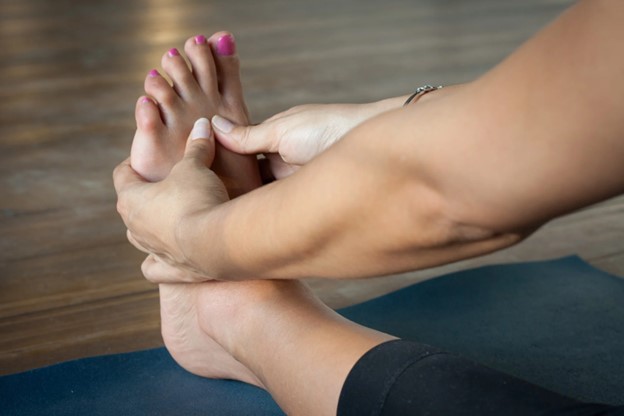
Massage therapy can serve as an effective complementary treatment for managing hammertoe symptoms. Regular massage helps to enhance circulation, alleviate pain, and improve flexibility in the affected toes and surrounding areas. By gently massaging the muscles and tendons in the foot, you can reduce the tension and stiffness often accompanying hammertoe. Techniques like kneading, friction, and circular motions can be particularly beneficial.
In addition to manual techniques, incorporating warm compresses or essential oils during massage can further relax the muscles and provide a soothing effect. It’s advisable to seek the expertise of a licensed massage therapist experienced in dealing with foot conditions like hammertoes. These professionals can tailor the massage techniques to your specific needs and ensure that the therapy is safe and effective. Regular massage sessions can significantly contribute to pain management, enhance mobility, and improve the overall health of your feet.
Hammertoes may be a common foot issue, but they don’t have to limit your quality of life. By following these steps and incorporating healthy habits into your daily routine, you can effectively manage hammertoe and promote overall foot health. Remember to take care of your feet—they carry you through life.