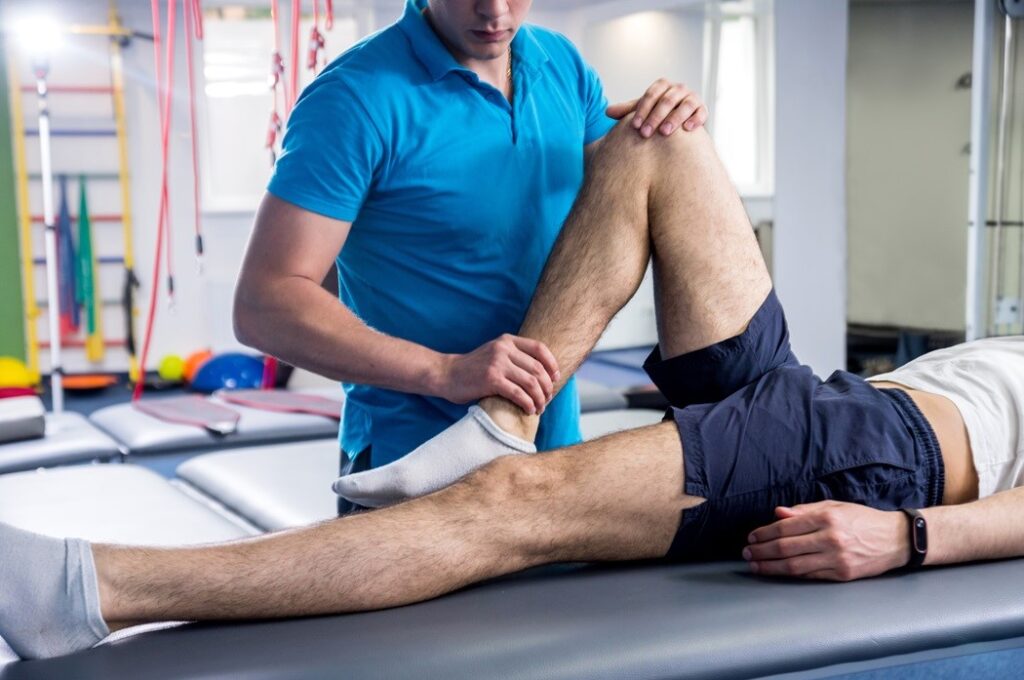
In the world of professional sports, where athletes push their bodies to the absolute limit, injuries are an unfortunate reality. When a star player goes down with a serious injury, their fans and teams anxiously await their return. A crucial factor in their recovery is often the expertise of physical therapists. These skilled professionals play a vital role in rehabilitating athletes, helping them regain strength, flexibility, and function after sustaining sports-related injuries.
That said, this guide will discuss the specific strategies and physical therapy techniques utilized by therapists to facilitate sports injury recovery.
1. Pain Management and Reduction
Physical therapy plays a critical role in managing and reducing pain following a sports injury. At a physical therapy clinic, therapists use various modalities such as cold therapy, heat therapy, ultrasound, electrical stimulation (e.g., TENS), and manual techniques to target pain and inflammation. By controlling pain in the early stages, physical therapy allows athletes to progress through their rehabilitation with greater ease, leading to a smoother recovery process.
2. Restoration of Range of Motion (ROM)
After an injury, muscles, ligaments, and tendons often become stiff or damaged, limiting joint flexibility. Physical therapists focus on restoring full range of motion through techniques like stretching, joint mobilization, and soft tissue massage. The goal is to regain the flexibility needed for optimal movement, ensuring the affected joints and muscles can function normally again.
3. Muscle Strengthening
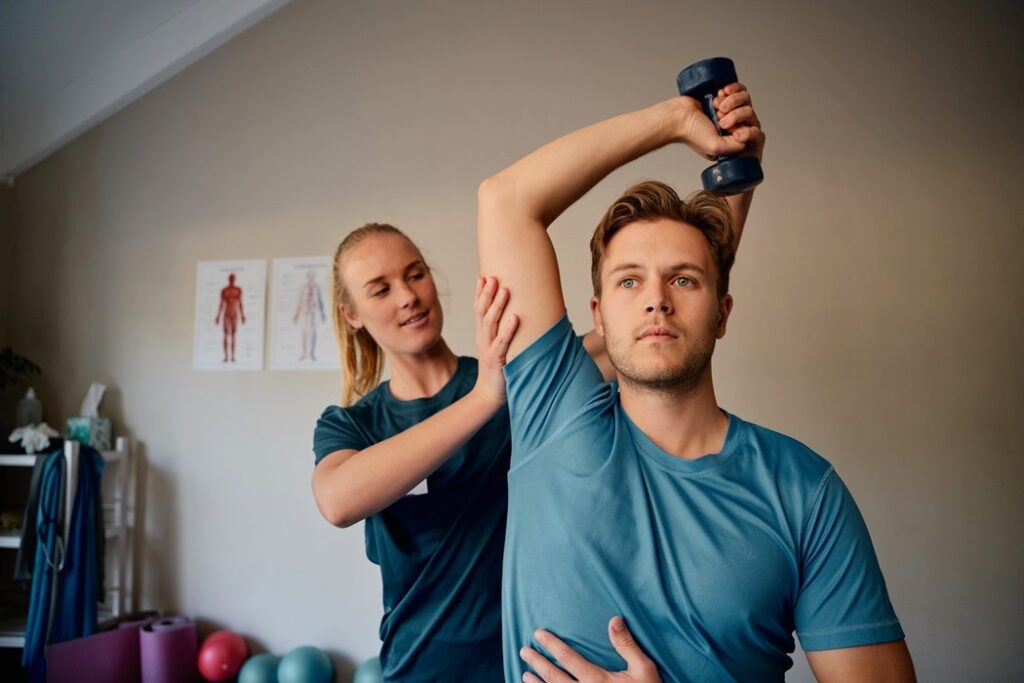
Muscle weakness is a common consequence of injury, often due to immobilization or disuse. To counteract this, physical therapists design individualized exercise programs to target specific muscle groups affected by the injury. By gradually rebuilding strength, these programs help athletes restore functionality, ensuring they can return to their sport with improved stability and power.
4. Improvement of Flexibility and Mobility
Injuries can lead to stiffness in muscles and joints, which impairs an athlete’s overall performance. Physical therapy addresses this by focusing on improving flexibility through dynamic and static stretching, and functional movements tailored to the athlete’s sport. This approach prepares athletes for the physical demands of their activity and prevents compensatory movement patterns that may lead to further injury.
5. Postural and Biomechanical Corrections
Poor posture and improper biomechanics are often contributing factors to sports injuries. Physical therapists assess an athlete’s posture and movement patterns, identifying areas that need correction. They then provide exercises and strategies to improve alignment and movement efficiency. This not only helps in recovering from the injury but also reduces the risk of re-injury by promoting better movement habits.
6. Functional Training and Sport-Specific Exercises
Physical therapy treatment plans goes beyond general rehabilitation by incorporating functional training that mimics the demands of the athlete’s specific sport. Therapists design sport-specific exercises that enhance agility, balance, and coordination. Whether it’s sprinting, jumping, or cutting movements, these functional drills are crucial for preparing athletes to return to their sport with confidence and strength.

7. Injury Prevention
Prevention of future injuries is an essential aspect of sports physical therapy. Therapists educate athletes on the importance of proper warm-ups, stretching, and strengthening exercises tailored to their sport. Additionally, they may recommend adjustments to an athlete’s training routine, focusing on load management and recovery practices that help prevent overuse injuries and ensure long-term athletic health.
8. Rehabilitation from Surgery
A physical therapy program is indispensable in the post-operative phase for athletes who require surgery, such as those recovering from ACL reconstruction. Therapists collaborate with surgeons to create a structured rehabilitation program, focusing on healing, strengthening, and gradually returning the athlete to sport-specific activities. This approach ensures the athlete’s recovery is safe and effective, reducing the likelihood of complications.
9. Psychological Benefits
Sports injuries affect an athlete’s physical abilities and can also affect their mental health. Physical therapists provide valuable support by offering encouragement and motivation throughout the rehabilitation process. By fostering mental resilience, they help athletes overcome anxiety, fear of re-injury, and loss of confidence, ensuring a comprehensive recovery.
10. Return to Play (RTP) Protocol
The final phase of recovery involves the return to play (RTP), which is a critical component of physical therapy. Therapists collaborate with other healthcare professionals to evaluate an athlete’s readiness to return to competition. Through objective measures such as strength testing and functional assessments, therapists ensure that athletes are both physically and psychologically prepared to re-engage in their sport, minimizing the risk of further injury.
11. Balance and Coordination Training
Injuries often affect an athlete’s balance and coordination, critical skills for maintaining optimal performance in sports. Physical therapy includes exercises specifically designed to improve balance and proprioception, helping athletes regain control over their movements. These exercises are crucial for preventing falls and ensuring that athletes can safely return to dynamic activities like running or jumping.
12. Education and Lifestyle Modifications
Physical therapy also plays an educational role, teaching athletes about the importance of proper body mechanics, nutrition, hydration, and recovery techniques. By understanding these factors, athletes can make informed decisions about their training and recovery routines, leading to better performance and reduced risk of future injuries.
Key Takeaway
Physical therapy plays a pivotal role in the recovery process for athletes who have suffered sports-related injuries. By employing a comprehensive approach that addresses both the physical and functional limitations, physical therapists help athletes regain strength, flexibility, and function.