Preventing Peroneal Nerve Problems: How To Maintain Lower Limb Health
As you stride through life, the vitality of your lower limbs underpins not just your ability to move freely but also your overall well-being and capacity to enjoy an active lifestyle. Central to the health and functionality of your legs is the peroneal nerve, a critical element that ensures you can walk, run, and stand with ease.
However, the journey to maintaining this essential nerve is fraught with potential pitfalls, from unexpected injuries to the gradual wear and tear of daily life, each posing a threat to your mobility and sensory experience. This guide is crafted with you in mind, aiming to illuminate the path to robust lower limb health by focusing on the prevention of peroneal nerve problems. Read more.
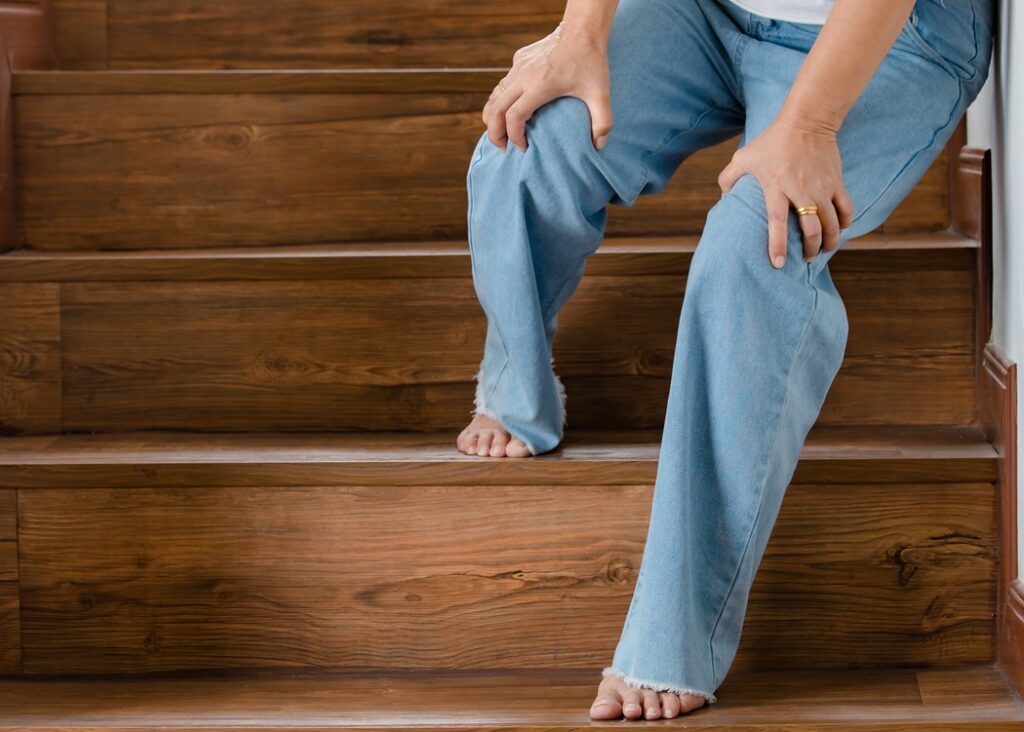
How Does Peroneal Nerve Health Affect Mobility And Sensation?
The peroneal nerve, a critical component of the peripheral nervous system, significantly influences the mobility and sensation in the lower limb, particularly around the lower leg and foot. Its health and functionality directly impact an individual’s ability to perform everyday activities, ranging from basic walking to more complex movements required in sports and exercise. Understanding the dual role of the peroneal nerve in both motor and sensory functions provides insight into its importance in lower limb health.
- Impact On Mobility
The peroneal nerve innervates key muscles in the lower leg that are responsible for movements such as dorsiflexion (lifting the foot upwards towards the shin) and eversion (turning the sole outward). These movements are essential for a variety of actions, including walking, running, and maintaining balance.
- Foot Drop: One of the most noticeable effects of peroneal nerve dysfunction is foot drop, a condition characterized by difficulty lifting the front part of the foot due to weakness or paralysis of the muscles involved in dorsiflexion. This can result in a high-stepping walk and an increased risk of tripping over the toes when walking.
- Gait Changes: The peroneal nerve’s impact on mobility extends to the overall gait. Individuals with peroneal nerve issues may adopt compensatory walking patterns to mitigate the effects of foot drop or muscle weakness. These adaptations can lead to additional strain on other joints and muscles, potentially causing further complications.
- Balance And Stability: Adequate muscle control and strength, facilitated by the peroneal nerve, are crucial for maintaining balance and stability. Impaired nerve function can lead to difficulty in navigating uneven surfaces, standing for prolonged periods, or performing activities that require precise foot and ankle movements.
- Impact On Sensation
The peroneal nerve also provides sensory innervation to parts of the lower leg and the top and sides of the foot. This sensory feedback is vital for protecting the lower limb from injury and for performing coordinated movements.
- Loss Of Sensation: Damage to the peroneal nerve can result in a decreased ability to feel touch, pressure, temperature changes, and pain in its sensory distribution area. This can lead to an increased risk of injury, as individuals may not detect cuts, sores, or changes in temperature that could cause harm.
- Altered Proprioception: Proprioception, the body’s ability to sense the position and movement of limbs, relies on sensory input from nerves, including the peroneal nerve. Impairment in peroneal nerve function can lead to difficulties in proprioception, affecting an individual’s ability to perform complex movements without visually monitoring their limbs.
- Pain And Discomfort: In some cases, peroneal nerve issues can lead to neuropathic pain, characterized by sensations of tingling, burning, or shooting pain in the nerve’s distribution area. This can affect an individual’s comfort and quality of life, as well as their mobility.
As you can see, the nerve’s role in facilitating movement and providing sensory feedback underscores the importance of early diagnosis and treatment of peroneal nerve disorders.
Common Conditions Affecting The Peroneal Nerve
The peroneal nerve is susceptible to a range of conditions that can impair its function, leading to motor and sensory disturbances, such as the following:
- Peroneal Nerve Palsy Or Neuropathy
Peroneal nerve palsy, also known as neuropathy, occurs when there is dysfunction in the nerve due to various causes, most notably compression. This condition is often seen in individuals where the nerve is compressed near the knee as it wraps around the fibula.
Symptoms can vary widely in severity, from mild discomfort and numbness to significant motor deficits where the individual is unable to lift the front part of the foot, leading to challenges in walking and an increased risk of falls.
- Trauma And Injuries
The peroneal nerve can be directly damaged by trauma or injuries to the knee or lower leg, such as fractures of the fibula or knee dislocations. Such injuries can cause acute dysfunction of the nerve, leading to immediate symptoms of pain, weakness, and loss of sensation. Treatment involves addressing the underlying injury, possibly including surgery, and supporting nerve recovery through rehabilitation.
- Compression Syndromes
Compression syndromes occur when the peroneal nerve is subjected to prolonged pressure, which can happen in situations like habitual leg crossing, long bed rest, or the use of tight plaster casts.
This sustained pressure leads to compression neuropathy, manifesting as both motor and sensory impairments. Management involves identifying and removing the source of compression alongside rehabilitative measures to restore nerve function.
Consequently, early detection and appropriate management of conditions affecting the peroneal nerve are vital in preventing irreversible damage and ensuring individuals can maintain an active and fulfilling lifestyle.
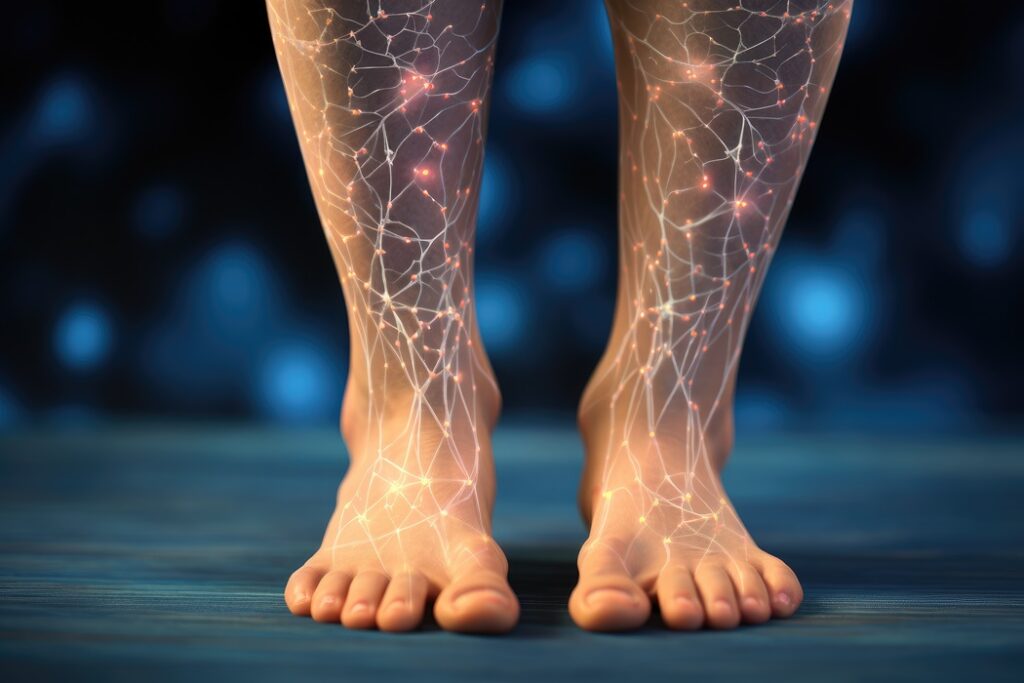
Risk Factors For Developing Peroneal Nerve Issues
Understanding the following risk factors is crucial for prevention and early intervention to minimize the impact of peroneal nerve problems.
- Lifestyle And Occupational Hazards
Certain lifestyle choices and occupational hazards can significantly increase the risk of developing peroneal nerve issues. Key factors include:
- Prolonged Sitting Or Kneeling: Occupations or activities that involve prolonged periods of sitting or kneeling can increase pressure on the peroneal nerve, especially where it wraps around the fibula near the knee. This is often seen in office workers, drivers, and individuals in professions requiring kneeling.
- Repetitive Leg Movements: Jobs or hobbies that involve repetitive leg movements can strain the peroneal nerve over time, leading to inflammation and injury. Athletes, particularly runners and cyclists, are at increased risk due to the repetitive nature of their activities.
- Improper Footwear: Wearing shoes that don’t provide adequate support or that place undue pressure on the feet and ankles can contribute to peroneal nerve problems by altering gait and putting additional strain on the nerve.
- Obesity: Excess body weight increases the stress on the lower limbs, including the peroneal nerve, potentially leading to compression and dysfunction.
- Genetic Predispositions
Some individuals may be more susceptible to peroneal nerve issues due to their genetic makeup. This includes:
- Family History Of Neuropathic Disorders: A family history of neuropathic disorders, such as Charcot-Marie-Tooth disease, can increase the risk of peroneal nerve problems. These hereditary conditions affect the peripheral nervous system and can lead to muscle weakness, atrophy, and sensory loss.
- Inherited Anatomical Variations: Genetic variations in the anatomy of the lower limb, such as differences in the way the peroneal nerve travels around the knee, can make some individuals more prone to compression and injury of the nerve.
- Age-Related Changes
As individuals age, they may experience changes that can affect the health of the peroneal nerve:
- Decreased Muscle Mass: With age, there is a natural decline in muscle mass and strength, which can affect the stability of the knee and increase the risk of injuries that could impact the peroneal nerve.
- Decreased Nerve Elasticity: Nerves tend to lose elasticity and become more susceptible to compression and injury as part of the aging process.
- Coexisting Medical Conditions: Older adults are more likely to have medical conditions that can contribute to peroneal nerve issues, such as diabetes, which can lead to peripheral neuropathy, or arthritis, which can alter joint structures and put pressure on nearby nerves.
By recognizing these risk factors, individuals can take proactive steps to mitigate their risk of developing peroneal nerve problems.
Prevention Strategies
Preventing peroneal nerve issues involves a multifaceted approach that encompasses lifestyle modifications, protective measures, and targeted exercise and physical therapy routines. By adopting the following strategies, individuals can significantly reduce their risk of developing peroneal nerve problems and maintain optimal lower limb health.
-
Lifestyle Modifications
- Importance Of Regular Exercise
Regular physical activity is crucial for maintaining the health of the peroneal nerve and the muscles it innervates. Exercise improves blood flow to the nerve and surrounding tissues, enhances muscle strength and flexibility, and can prevent injuries that may lead to nerve damage. Activities such as walking, swimming, cycling, and targeted lower limb exercises are beneficial.
- Ergonomic Practices For Work and Daily Activities
Adopting ergonomic practices in the workplace and during daily activities can help minimize the risk of peroneal nerve compression and injury. For those who sit for prolonged periods, using a footrest, adjusting chair and desk height to maintain proper posture, and taking regular breaks to stretch and walk around are essential. For manual laborers or those in occupations requiring repetitive motions, using proper lifting techniques and body mechanics is crucial.
- Weight Management And Nutritional Considerations
Maintaining a healthy weight reduces stress on the lower limbs and the peroneal nerve. A balanced diet rich in vitamins and minerals, particularly B vitamins, vitamin E, and omega-3 fatty acids, supports nerve health. Hydration is also essential for maintaining the integrity of nerve tissues.
-
Protective Measures
- Appropriate Footwear For Support And Comfort
Wearing shoes that provide adequate support and fit well is essential for protecting the peroneal nerve. Shoes should have enough room to move the toes, a supportive arch, and cushioning to absorb shock during walking or running. Avoid high heels or shoes with poor support that can alter gait and increase the risk of nerve compression.
- Use Of Orthotic Devices For Corrective Support
For individuals with foot abnormalities or gait issues that may predispose them to peroneal nerve problems, orthotic devices can offer corrective support. Custom-made or over-the-counter orthotics can help distribute pressure evenly across the foot, reduce strain on the peroneal nerve, and prevent conditions such as foot drop.
-
Exercise And Physical Therapy
- Strengthening Exercises For Lower Limb Stability
Targeted strengthening exercises can enhance the stability of the lower limb, reducing the risk of injuries that could impact the peroneal nerve. Exercises focusing on the muscles of the lower leg, ankle, and foot, such as calf raises, toe curls, and resistance band exercises, are particularly beneficial.
- Flexibility And Stretching Routines
Flexibility exercises help maintain the range of motion and prevent stiffness that could lead to nerve compression. Regular stretching of the lower limb muscles, including the hamstrings, calf muscles, and the muscles around the ankle, can prevent tightness and protect the peroneal nerve.
- Balance And Coordination Drills
Improving balance and coordination can reduce the risk of falls and injuries that may affect the peroneal nerve. Balance exercises, such as standing on one leg, using a balance board, or participating in activities like yoga or Tai Chi, can enhance proprioception and overall stability.
Implementing these prevention strategies can significantly contribute to the health of the peroneal nerve and the lower limb.
Conclusion
Maintaining lower limb health and preventing peroneal nerve problems is an achievable goal that necessitates awareness, preventive measures, and timely intervention. By taking the comprehensive approach to care mentioned above, individuals can protect their peroneal nerve health, ensuring mobility and sensation in the lower limbs are preserved for years to come.