Living with sciatica can transform even the simplest tasks into daunting challenges. Whether you’re a wellness warrior or someone grappling with sciatica, this blog is your gateway to understanding, managing, and overcoming this condition. In this guide, we’ll walk you through practical tips, lifestyle adjustments, and inspiring stories to help you regain control of your mobility and overall wellness.
Understanding Sciatica and Its Impact on Daily Life
Sciatica is a condition characterized by pain radiating along the path of the sciatic nerve, which extends from the lower back through the hips and down each leg. It commonly occurs when a herniated disk, bone spur, or spinal stenosis compresses part of the nerve, leading to inflammation, pain, and often numbness in the affected leg.
Living with sciatica can be debilitating. The pain can range from a mild ache to a sharp, burning sensation, often exacerbated by prolonged sitting, standing, or sudden movements. This discomfort can severely impact your daily activities, making it challenging to maintain an active lifestyle.
Understanding the root cause of your sciatica is crucial for effective management. A proper diagnosis can help tailor your treatment plan, ensuring you address the specific issue causing your pain.
At-Home Therapies and Professional Treatments for Sciatica Relief
Relieving sciatica pain often involves a combination of at-home therapies and professional treatments. Here are some effective methods to consider:
At-Home Therapies
One of the most accessible approaches to managing sciatica pain is incorporating gentle stretching and exercises into your daily routine. Simple stretches, such as the piriformis stretch, can help alleviate tension in the muscles surrounding the sciatic nerve, providing much-needed relief. Additionally, physical activities like walking or swimming are low-impact options that promote blood circulation and can help reduce inflammation. Applying hot or cold packs to the affected area can also offer temporary relief by either relaxing tense muscles or numbing sharp pain. Remember, while at-home therapies can be highly effective, it’s important to listen to your body and avoid pushing through acute pain.
Professional Treatments
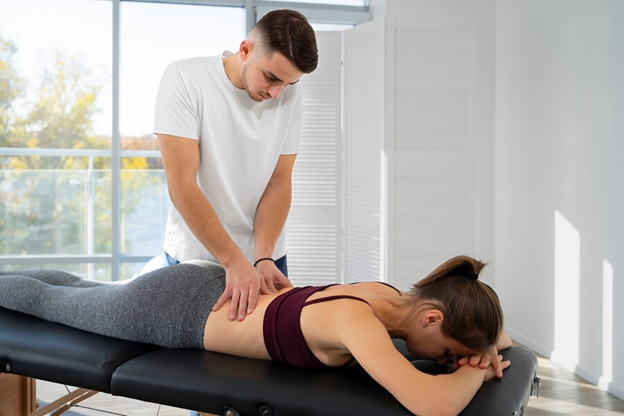
Seeking the assistance of a healthcare professional can significantly enhance your recovery journey. Consulting the best physical therapist is crucial, as they can provide tailored exercises and stretches that specifically target the root cause of your sciatica pain. Physical therapists use a combination of manual therapy, guided exercises, and sometimes modalities like ultrasound or electrical stimulation to alleviate discomfort and improve mobility. By creating a personalized treatment plan, they ensure that every session contributes to reducing pain and preventing future episodes. With the support of a knowledgeable physical therapist, you can achieve a significant improvement in your condition, regaining strength and confidence in your daily activities.
Exercise and Mobility for Sciatica Sufferers
Exercise is vital for managing sciatica pain and improving mobility. Here are three tailored workouts to incorporate into your routine:
Low-Impact Aerobic Exercises
Low-impact aerobic exercises, such as walking, swimming, and cycling on a stationary bike, can significantly benefit those suffering from sciatica. These activities are gentle on the joints while still promoting cardiovascular health and stimulating blood flow, which can help reduce inflammation and pain. Engaging in regular low-impact aerobics not only enhances overall fitness but also aids in maintaining a healthy weight, which can alleviate additional pressure on the sciatic nerve. Starting with short sessions and gradually increasing the duration as your tolerance improves can lead to more sustainable and long-term relief from sciatica pain.
Strengthening Exercises
Strengthening exercises are critical in managing sciatica by fortifying the muscles that support your spine and improving overall stability. These exercises focus on the core, lower back, and legs, helping to reduce the strain on the sciatic nerve. Core-strengthening workouts like bridges, planks, and pelvic tilts are particularly beneficial, as a strong core can lessen the pressure on your lower back. Additionally, incorporating leg exercises such as lunges and squats can enhance muscle endurance and flexibility, further supporting spinal health. By regularly engaging in these muscle-strengthening activities, you can prevent future sciatic flare-ups and maintain better mobility and functionality in your daily life.
Flexibility Exercises
Flexibility exercises are essential for sciatica sufferers as they help maintain and improve the range of motion in your spine, hips, and legs. Stretching exercises such as the seated hamstring stretch, knee-to-chest stretch, and standing calf stretch can significantly alleviate tension in the muscles and ligaments surrounding the sciatic nerve. Consistently practicing these stretches not only reduces pain but also prevents stiffness, which can exacerbate sciatic symptoms. By incorporating flexibility exercises into your routine, you can enhance your overall mobility, making daily activities more manageable and less painful. Always remember to stretch gently and avoid any movements that trigger acute pain.
Lifestyle Adjustments for Managing Sciatica
Adjusting your lifestyle can significantly impact sciatica management. Consider these changes:
Ergonomic Practices
Creating an ergonomic environment at home and work is crucial for managing sciatica pain. Start by ensuring that your workstation promotes proper posture; your chair should support the natural curve of your spine, and your feet should comfortably rest flat on the floor. An adjustable monitor that aligns with your eye level can help prevent neck and upper back strain. Similarly, take regular breaks from prolonged sitting or standing to stretch and move around, which helps to maintain flexibility and reduce tension in the lower back. Incorporating these ergonomic practices into your daily routine can significantly ease sciatic discomfort and prevent further strain, making your environment more comfortable and conducive to healing.
Nutrition
A balanced diet plays a pivotal role in managing sciatica pain and promoting overall wellness. Consuming anti-inflammatory foods, such as leafy greens, berries, nuts, and fatty fish, can help reduce inflammation and alleviate pain. Ensuring adequate intake of vitamins and minerals, particularly Vitamin B12, magnesium, and omega-3 fatty acids, supports nerve health and function. Moreover, staying hydrated is crucial, as dehydration can exacerbate muscle stiffness and discomfort. Avoiding processed foods and high sugar intake can further minimize inflammation and prevent weight gain, which can add extra pressure to the sciatic nerve. By embracing a nutritious diet, you can enhance your body’s natural healing processes and maintain optimal nerve health.
Stress Management
Stress management is a critical aspect of managing sciatica, as stress can exacerbate pain and hinder recovery. Techniques such as mindfulness meditation, deep breathing exercises, and progressive muscle relaxation can significantly alleviate stress, promoting a more relaxed state of mind and body. Engaging in regular physical activities like yoga or tai chi also helps reduce stress while improving flexibility and strength. Furthermore, maintaining a positive social support system and seeking professional counseling when needed can provide emotional relief and coping strategies. By incorporating these stress management techniques into your daily routine, you can create a more conducive environment for healing and improve your overall well-being.

Overcoming sciatica requires a multifaceted approach, combining at-home therapies, professional treatments, exercise, and lifestyle adjustments. By understanding your condition and taking proactive steps, you can significantly improve your mobility and overall wellness.
Remember, everyone’s journey is unique, and it’s essential to find what works best for you. If you’re struggling to manage your sciatica, consider reaching out to a healthcare professional for personalized advice and guidance.
Take the first step today and start implementing these tips to enhance your mobility and well-being. Your road to recovery begins now.