Identify and assess manual handling risks: Observing tasks and identifying hazards to prevent injuries.
Implement control measures: Utilize engineering and administrative controls, including buying a reliable ergonomic chair and proper training.
Involve employees: Engage staff in assessments and safety solutions to enhance accuracy and foster a safety culture.
Regularly review and update assessments: Continuously monitor and improve safety measures to adapt to changes in the workplace.
Introduction
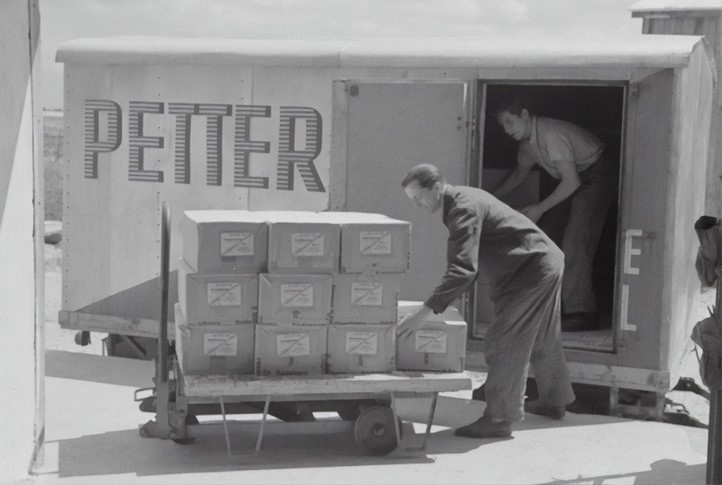
Manual handling tasks are a daily reality in many workplaces, encompassing a range of activities from lifting and carrying to pushing and pulling. While these tasks might seem straightforward, they pose significant risks if not performed correctly. Improper manual handling can lead to various injuries, including strains, sprains, and even long-term musculoskeletal disorders.
To mitigate these risks and ensure a safe working environment, conducting thorough manual handling risk assessments is crucial. These assessments help identify potential hazards, evaluate the level of risk, and determine the necessary control measures to prevent injuries. By understanding and addressing the specific risks associated with manual handling, businesses can protect their employees, reduce accidents, and comply with safety regulations.
In this guide, we’ll walk you through a comprehensive step-by-step process for conducting manual handling risk assessments. From identifying hazards to implementing effective control measures, this guide will equip you with the knowledge and tools needed to create a safer workplace.
Understanding Manual Handling Risks
Manual handling involves moving or supporting loads by physical force. This can include lifting, carrying, pushing, pulling, and more. Such tasks are common in many industries, from construction and manufacturing to healthcare and retail. However, they carry inherent risks, especially if not performed properly.
Injuries from manual handling can range from minor strains to severe musculoskeletal disorders. These injuries often result from repetitive movements, awkward postures, excessive force, or handling heavy loads. By identifying these risks, businesses can take proactive steps to prevent injuries and maintain a safe working environment.
Preparing for the Assessment
Before diving into the assessment process, it’s essential to prepare thoroughly. Start by gathering all necessary tools and documentation, such as risk assessment forms, checklists, and ergonomic guidelines. Identifying the specific tasks and areas to be assessed is also crucial, as it ensures a focused and comprehensive evaluation.
Involving employees in the preparation phase can provide valuable insights. Employees who perform manual handling tasks daily are well-placed to identify potential hazards and suggest practical solutions. Engaging them in the process not only enhances the accuracy of the assessment but also fosters a culture of safety and awareness.
Conducting the Risk Assessment
The risk assessment process begins with observing and documenting manual handling tasks. Pay close attention to the nature of the tasks, the environment in which they are performed, and the equipment used. Key factors to consider include the weight and size of loads, the frequency of handling, and the posture and movements required.
Identifying risk factors is a critical step. These may include awkward postures, repetitive motions, and excessive force. Once identified, assess the severity of each risk by considering the likelihood of injury and its potential impact. This evaluation will help prioritize the risks and focus on the most critical areas.
Implementing Control Measures
After identifying and assessing the risks, the next step is to develop and implement control measures. These measures aim to eliminate or reduce the risks associated with manual handling tasks. Depending on the situation, control measures can range from engineering solutions to administrative controls and the use of personal protective equipment (PPE).
Engineering controls might include redesigning workspaces to minimize awkward postures or using mechanical aids like trolleys and lifts to handle heavy loads. Administrative controls could involve scheduling regular breaks to reduce fatigue or rotating tasks among employees to prevent repetitive strain. Buying a reliable ergonomic chair or other equipment can also significantly reduce the risk of injury.
Training employees on proper manual handling techniques is another essential component of risk management. By educating workers on safe practices and the use of equipment, businesses can further minimize the chances of injury. Regular training sessions and refresher courses ensure that safety remains a priority.
Reviewing and Updating the Assessment
Risk assessments are not a one-time task. Regularly reviewing and updating them is crucial to account for changes in the workplace, such as new equipment, processes, or personnel. Keeping detailed records of all assessments and implemented measures is also important for tracking progress and demonstrating compliance with safety regulations.
Continuous improvement should be the goal of any safety program. By consistently monitoring and refining risk assessments, businesses can adapt to new challenges and maintain a safe and healthy work environment. Engaging employees in the review process can also provide fresh perspectives and identify areas for improvement.
Conclusion
Conducting a thorough manual handling risk assessment is essential for ensuring workplace safety. By systematically identifying and addressing potential hazards, businesses can prevent injuries, protect their employees, and comply with safety regulations. Remember, a proactive approach to risk management not only safeguards the workforce but also contributes to a more productive and positive workplace environment.