Scoliosis, a spinal condition characterized by an abnormal curvature of the spine, can significantly impact an individual’s posture, mobility, and overall quality of life. As such, early detection is crucial for managing the condition effectively, as it often enables more treatment options and can reduce the need for invasive procedures like spinal surgery for scoliosis.
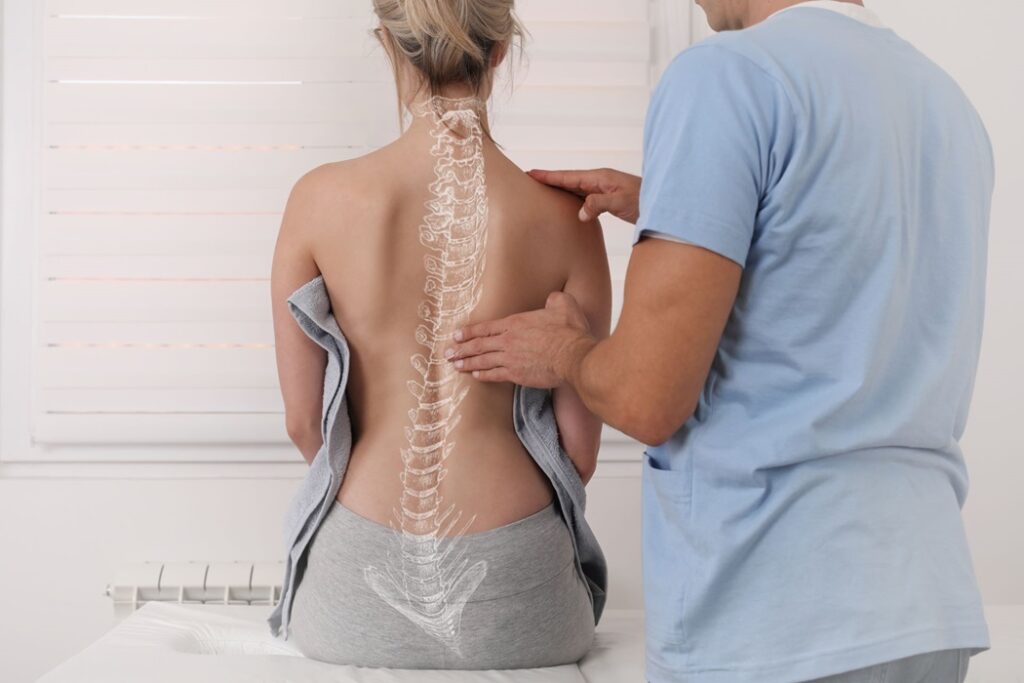
This article provides a comprehensive guide on identifying early signs of scoliosis and the steps on how to check for scoliosis.
Understanding Scoliosis
Before exploring detection methods for scoliosis, it’s crucial to grasp the fundamentals of the condition. Scoliosis is characterized by an abnormal lateral curvature of the spine, typically manifesting in “S” or “C” shapes. This disorder predominantly emerges during the peak growth spurt just before puberty, making early adolescence a critical period for monitoring. The etiology of most scoliosis cases is idiopathic, meaning the exact cause remains unidentified.
However, some instances are linked to underlying factors:
- Genetic predispositions: A family history of scoliosis increases the likelihood of developing the condition.
- Neuromuscular conditions: Diseases such as cerebral palsy and muscular dystrophy can contribute to the formation of spinal curvatures.
- Injuries or infections: Traumatic injuries or spinal infections during childhood can initiate or exacerbate spinal deformities.
On the other hand, in severe cases, where the curvature progresses rapidly or begins to cause significant physical discomfort and functional impairment, spinal surgery might be considered. For more information about spinal surgery for Scoliosis Singapore or wherever you may be, you may check out reliable resources online or talk to professionals for more insights.
Signs And Symptoms To Watch For
The early signs of scoliosis can be subtle. Here are some key indicators to watch for:
- Uneven Shoulders: One shoulder may appear higher than the other.
- Prominent Shoulder Blade: One shoulder blade may be more prominent or stick out more than the other.
- Uneven Waist: Look for any asymmetry in the way the waist appears.
- Leaning to One Side: In some cases, the individual might lean to one side in a standing position.
- Clothes Fitting Improperly: Shirts or jackets that hang unevenly or skirts/dresses that twist to one side can be clues.
Performing Initial Screening At Home
Initial screening for scoliosis can start at home with simple observations and tests, such as the following:
Visual Inspection
During the Adams Forward Bend Test, the evaluator stands behind the subject, who bends forward from the waist. This position can provide a clear view of the spine, allowing for detecting any irregularities or protrusions that may signify a curvature. The simplicity of this test makes it an essential first step in identifying signs of scoliosis at home or during routine health check-ups.
Plumb Line Test
To perform the Plumb Line Test, a plumb line is suspended from the base of the neck to the lower back while the individual stands upright. Observing the line’s alignment with the spine can help identify deviations, indicating potential scoliosis. This straightforward, quick assessment can effectively reveal abnormalities in spinal alignment, prompting further diagnostic steps if necessary.
Photo Documentation
Regularly capturing photographs of an individual’s spine from a standard angle can provide a valuable chronological record of spinal alignment. This method enables individuals and healthcare providers to observe progression or improvement over time, which is critical for ongoing assessment and treatment planning. Photo documentation is also especially useful when managing scoliosis remotely or tracking the effectiveness of treatment interventions.
Professional Evaluation
If scoliosis is suspected, a professional evaluation is crucial. This typically involves the following:
Physical Examination
During a physical examination, a healthcare provider conducts a comprehensive assessment that includes the Adams Forward Bend and Plumb Line tests. This thorough evaluation can help identify signs of scoliosis and assess the individual’s overall posture and spinal alignment.
X-Rays
X-rays are indispensable in quantifying the degree of spinal curvature. By providing clear images of the spine, X-rays can help diagnose the severity of scoliosis and determine the best course of treatment based on the curvature’s angle.
MRI or CT Scans
For a more detailed analysis, MRI or CT scans may be employed, especially when additional spinal anomalies are suspected. These imaging techniques offer in-depth views of the spinal tissues and structures, aiding in comprehensive diagnostic assessments beyond conventional X-ray capabilities.
Importance Of Early Detection
Early detection of scoliosis is pivotal in determining the most effective treatment strategy and improving long-term outcomes. Identifying scoliosis during its initial stages allows for implementing non-surgical interventions, notably bracing.
Bracing can also play a crucial role in managing scoliosis by preventing the progression of spinal curvature, especially in younger individuals who are still growing. This method is most effective during the teenage years, a critical period marked by rapid growth spurts.
Lastly, regular and meticulous monitoring of the spine during this time is essential. It ensures that any changes in the curvature are promptly addressed, potentially reducing the need for surgical interventions later in life.
Closing Thoughts On Managing Scoliosis
Early detection of scoliosis plays a pivotal role in effectively managing and treating the condition. By keeping the information mentioned above in mind, you can significantly improve your prognosis. You should be vigilant about the early signs as you may not notice or complain about symptoms initially. With proactive management and early detection, individuals with scoliosis can have active, fulfilling lives.