The condition known as “policeman’s heel” causes pain and discomfort in the rear of your foot, typically close to the heel. Long-term walking or jogging on hard surfaces are two examples of activities that can lead to repetitive strain or overuse injuries. Plantar fasciitis is the medical term for a policeman’s heel. It’s crucial to get medical counsel if you suffer any pain in this area so you can receive a precise diagnosis and a successful treatment plan. In this blog post, we’ll explore a policeman’s heel and how to cure it efficiently.

Understanding Policeman’s Heel
Policeman’s heel, also known as plantar fasciitis, is an inflammation of the plantar fascia, the band of tissue that runs from your heel to your toes. The term “policeman’s heel” refers to this condition that typically affects persons who spend a lot of time on their feet, such as runners and police officers.
The inflammation could be a result of increased physical activity or an improper technique when running. If it develops into more than just mild discomfort, then you will feel either a dull pain or even acutely sharp and piercing sensations. Because of this, when rehabilitating policeman’s heel, your doctor will advise you on the proper exercise and when to take pauses. It is more straightforward for the band of tissue to repair when less force is applied. You must still move the entire leg to keep the muscles active and to stretch.
Management and Treatment Advice for Policeman’s Heel
Thankfully, this illness is treatable in a number of ways. Here are a few examples:
1. Ice Treatment
Ice can be applied to the sore area to reduce swelling and pain. To achieve this, use an ice pack or a cold compress for 20 minutes at a time, multiple times throughout the day. This will temporarily alleviate symptoms like localized swelling and pain.
You can do this in addition to compressing the affected area by putting it in an elastic bandage. Retaining the position of your muscles and tendons will aid in decreasing inflammation.
2. Stretching Workouts
Your calf muscles and the tendons in your foot and heel will become more flexible as a result of these exercises. Regularly performing these can aid in easing the policeman’s heel discomfort. Toe raises, ankle circles, and standing calf stretches are a few of these workouts.
For the best effects, you should perform these stretching exercises following a warm-up or cool-down time. This will guarantee that your muscles are at the proper level of relaxation for safe stretching.
3. Choose the Proper Footwear
It’s crucial to wear the appropriate footwear for your activities when treating a policeman’s heel. Choose shoes with appropriate arch support, cushioning, and a decent grip on the ground to ensure that your feet are well-supported throughout the day.
Pay attention to the weight of the shoes as well; try to choose lightweight pairs so that your feet won’t be under as much stress. By doing this, you’re less likely to encounter pain or discomfort due to plantar fasciitis.
4. Anti-Inflammatory Products
Ingredients in these products help to lessen pain and inflammation. Often, they are available as ointments or creams that can be applied topically directly to the affected area. These products are available over the counter and should only be used per a physician’s or pharmacist’s instructions.
The fact that some substances can cause adverse responses in some persons should also be noted. In order to avoid spreading the infection, it is best to examine a limited area first. This condition frequently gets better on its own without any major treatments. It’s vital to seek medical advice if the pain lasts over a few weeks or if you suffer additional symptoms like redness and swelling.
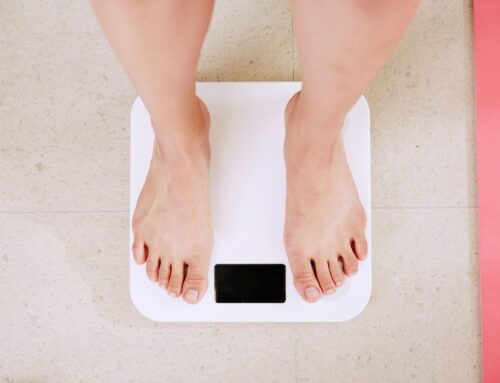
5. Reduce Your Weight
The stress on your heel might be lessened by losing extra weight. Additionally, being overweight raises your risk of acquiring various foot disorders. For this reason, keeping a healthy weight and nutrition is crucial to stop any additional plantar fasciitis difficulties.
Make sure to stay away from footwear that is too tight or uncomfortable as it can exacerbate your symptoms. Instead, choose shoes with ample toe room and solid arch support for optimal cushioning so that you may move around comfortably.
6. Heel Cushions
These supplies reduce the strain on your plantar fascia. It can also be used as a preventive measure if you are going to engage in activities that involve a lot of standing or walking, such as jogging and hiking.
The optimum spot for these cushions is where there is the most pressure, so do that. For more cushioning, you can also buy heel cups and heel cushions that go inside the back of your shoe.
The choices for treating this illness are numerous. To effectively tackle a policeman’s heel, it is essential that you first recognize the cause and take measures to prevent it. Simple changes such as wearing adequate shoes, performing regular stretching exercises, and sustaining a healthy weight are all effective strategies for avoiding foot pain.