Some kids have a hard time sitting still or joining in during group activities. Others might speak less than their peers or get overwhelmed in noisy places. These behaviors can be easy to miss or brush off, but they may point to a need for support.
Play-based therapy offers a way to help without pressure. Instead of focusing on what a child can’t do yet, it works with what they already enjoy. A therapist uses play to create moments where learning can happen without turning it into a lesson.
Behaviors That May Signal a Need for Support
Every child grows at their own pace, but sometimes you notice gaps that seem harder to bridge. A child might struggle to follow directions or react strongly to simple changes in routine. Others may have limited ways of communicating their needs, which can make daily interactions stressful for the whole family.
Concerns can show up in different ways. Some children avoid playing with peers and prefer to stay alone. Others repeat the same activity over and over without trying new ones. You might also see frustration during everyday routines, such as mealtimes or getting dressed. These patterns don’t always mean a serious problem, but they are worth bringing to a professional’s attention.
Play based therapy can provide a structured way to figure out what is happening. Through guided play, a therapist watches how a child approaches tasks and how they connect with the people around them. These observations help highlight areas where extra support could make a difference, such as social skills or emotional regulation.
What Happens in a Session
Play-based sessions usually happen in a relaxed setting, often on the floor or in a playroom. The space may have puzzles, puppets, toy food, or art materials. A child may be drawn to sensory items such as textured balls or sand play, while another might focus on movement or imaginative roleplay. The therapist adjusts the activities to match each child’s interests and comfort level.
Sessions can look very different depending on the approach. In some cases, the therapist takes a step back and lets the child lead. At other times, they may guide the play more directly. For example, the therapist could suggest an easy challenge or add a new element to a pretend scenario to stretch the child’s responses.
The outcomes of these activities often relate to everyday growth. Play can strengthen attention over longer periods and open up more opportunities for a child to practice communication in natural ways. Fine motor skills or social communication may also become areas of focus if needed.
Practical Benefits Beyond the Session
Skills gained during play-based therapy often carry over into home and school settings. You might notice your child trying new words or showing more interest in playing with peers. Progress usually appears step by step, but it can make everyday routines easier over time.
Parents and caregivers can also support these gains through simple activities at home. Board games can teach turn-taking and emotional control. Arts and crafts encourage coordination and focus. Puppet play or storytelling games provide opportunities to expand vocabulary and strengthen attachment relationships. Rolling a ball back and forth may look simple, yet it helps build joint attention and reinforces trust in the therapeutic relationship.
Different Approaches for Different Needs
Play-based therapy isn’t a single technique. It can take many forms depending on the child’s challenges and strengths. For example, play-based speech therapy supports children who struggle with spoken language, using toys and play activities to build vocabulary and practice listening. A child dealing with behavioral difficulties may take part in structured play scenarios that let them rehearse rules and try out better responses in a safe space.
Other approaches focus on sensory experience. Sand play or art materials, such as clay or paint, allow children to explore textures and express feelings in ways they can’t always put into words. Directive play therapy gives more guidance when a child needs clear steps, while creative options like puppet play or arts and crafts encourage imagination and self-expression.
What You Can Do at Home
You don’t need special equipment to support growth. Simple play activities can help strengthen the same skills worked on in therapy.
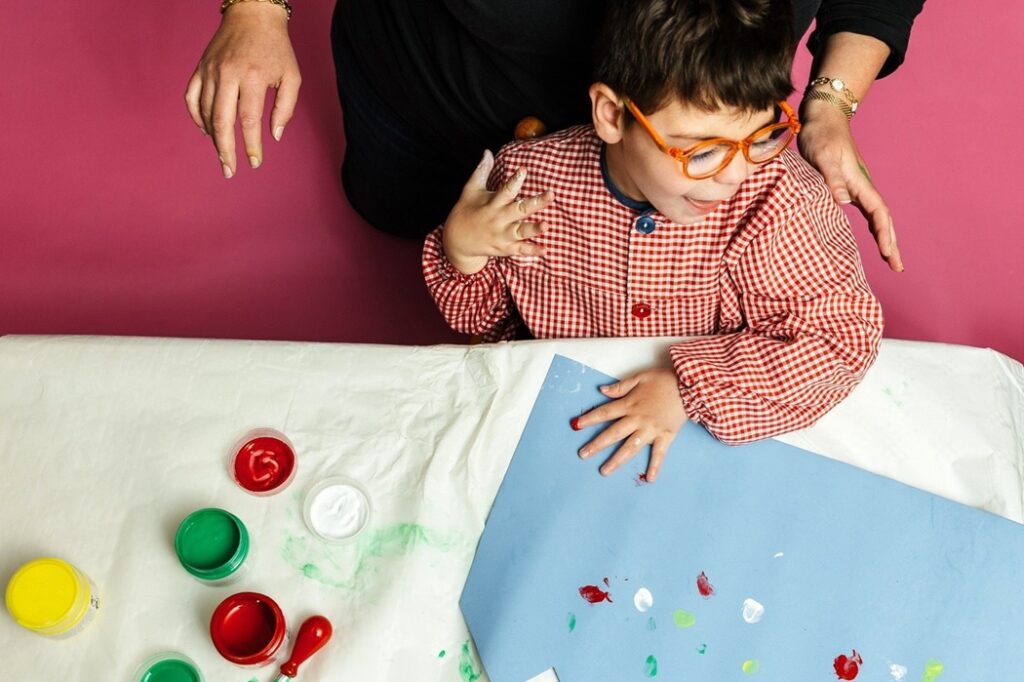
- Use art materials: Coloring or simple crafts can build fine motor control while also giving your child a way to express emotions.
- Try board games: Games that involve taking turns encourage patience and help children practice emotional regulation during wins and losses.
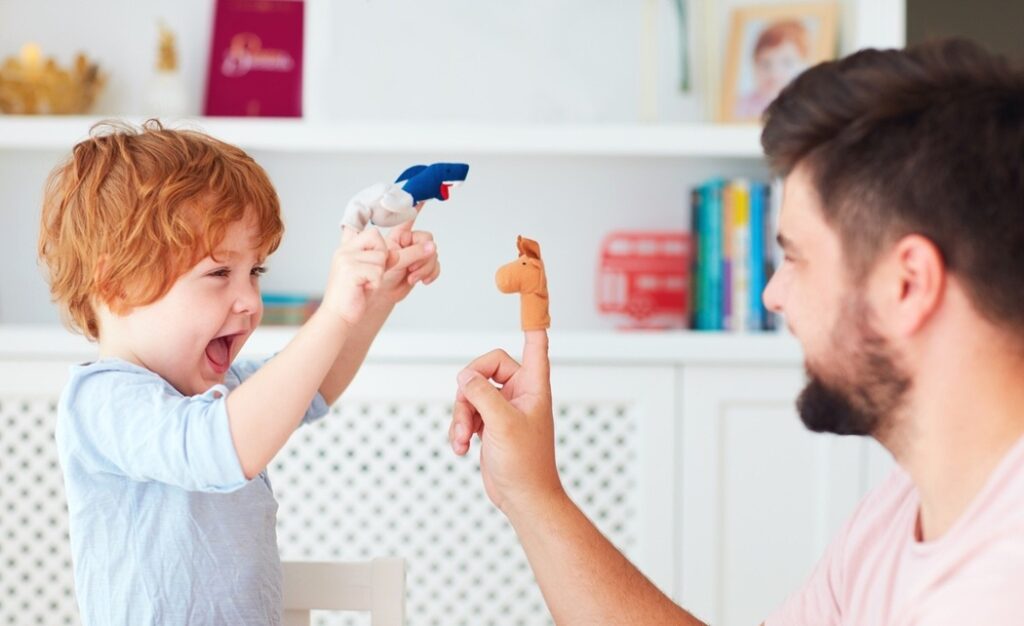
- Introduce puppet play: Acting out short scenarios with puppets or dolls can open up opportunities to practice roleplay in social situations.
- Set up sand play or sensory bins: Simple containers with sand or other textured objects let your child explore touch and practice coping strategies when faced with new sensations.
- Encourage storytelling: Use books and toys to create play scenarios that stretch imagination and build language skills.
- Make everyday tasks playful: Turning dressing or cooking healthy meals into small games can help children practice motor skills while lowering stress around routines.
The most effective activities are often the simplest. Keep sessions short and join in with encouragement.
Moving Forward With Play-Based Therapy
Play-based therapy creates opportunities for children to grow through activities that feel familiar and enjoyable. It can make challenges easier to manage and open new paths for progress in daily life. If you’ve noticed ongoing struggles, reaching out to a play therapist or another qualified professional can give you clarity and direction. Taking that first step often makes a big difference for both you and your child.