Improving Neuromusculoskeletal Care for Aging Boomers: StrongPosture Protocol as a Biobehavioral Bridge to Better Results
If you’re a chiropractor, physical therapist, occupational therapist or other practitioner caring for aging baby boomers, you’re tackling chronic low back pain (CLBP)—a leading cause of disability and challenge to staying active for successful aging. A recent qualitative study by de Jesus-Moraleida et al. (2025) explored older adults’ perspectives on an exercise-plus-education program (PAT-Back) for CLBP, and uncovered key drivers of engagement: social support, exceeded expectations, comorbidities, and communication preferences.
These insights align seamlessly with the StrongPosture® protocols—a biobehavioral somatic interoceptive exercise and education system designed to enhance chiropractic and other neuromusculoskeletal care by improving perceived awareness and motor accuracy of postural Balance, somatic Alignment, and core-coupled Motion (B.A.M.). By integrating StrongPosture® BAM, you can empower boomers to move better, and feel stronger, keeping them active longer.
Let’s explore how StrongPosture amplifies the PAT-Back findings to elevate your practice.
1. It Takes More Than Intrinsic Motivation: Priming Patients with Social Support
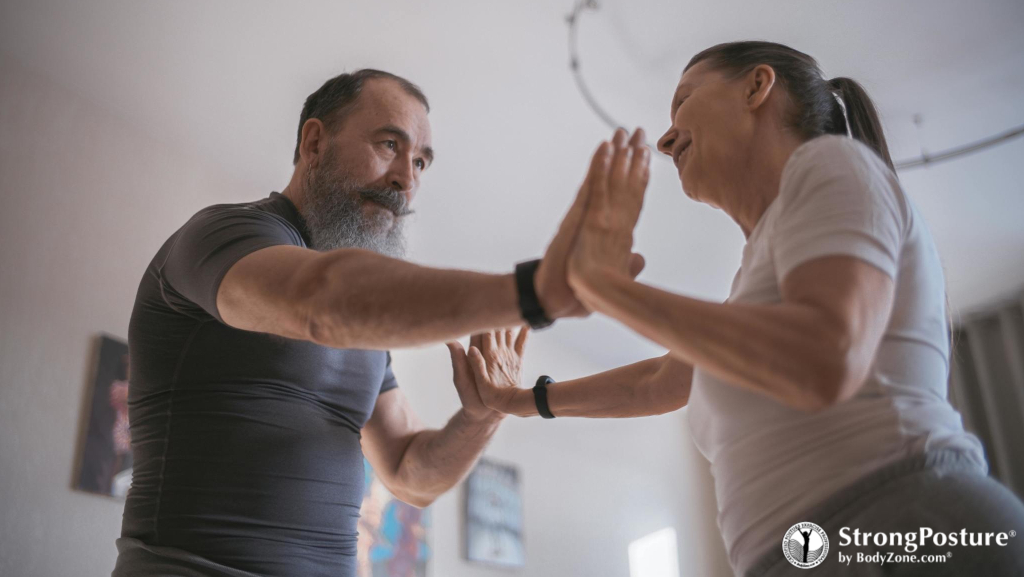
The PAT-Back study revealed that participation wasn’t just about self-motivation—it thrived on family, peer, and clinician support, especially given limited access to care. Boomers, often managing comorbidities and caregiving roles, need a community to stay engaged. The StrongPosture clinician-supported framework leverages this social dynamic, priming patients to build and sustain a support network.
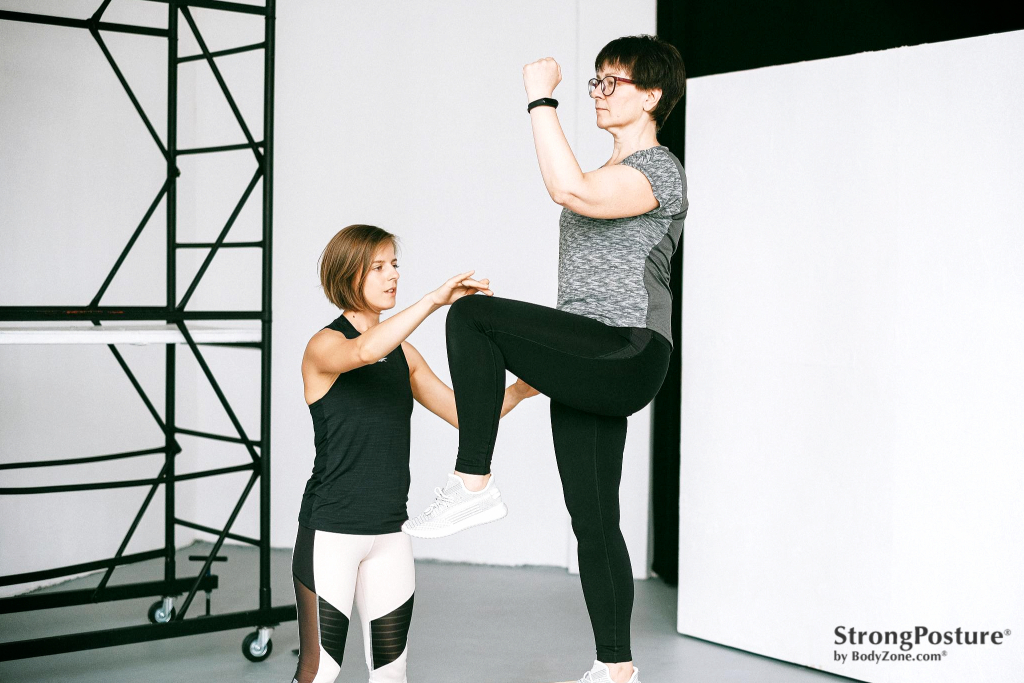
- Family and Peer Engagement: Encourage patients to involve a spouse, friend, or adult child in their StrongPosture journey. Start with the simple BAM exercise- one leg balance Stork with attentional focus on standing tall, assisting balance focus with a light wall touch. Have the patient practice with a partner to introduce and foster accountability.
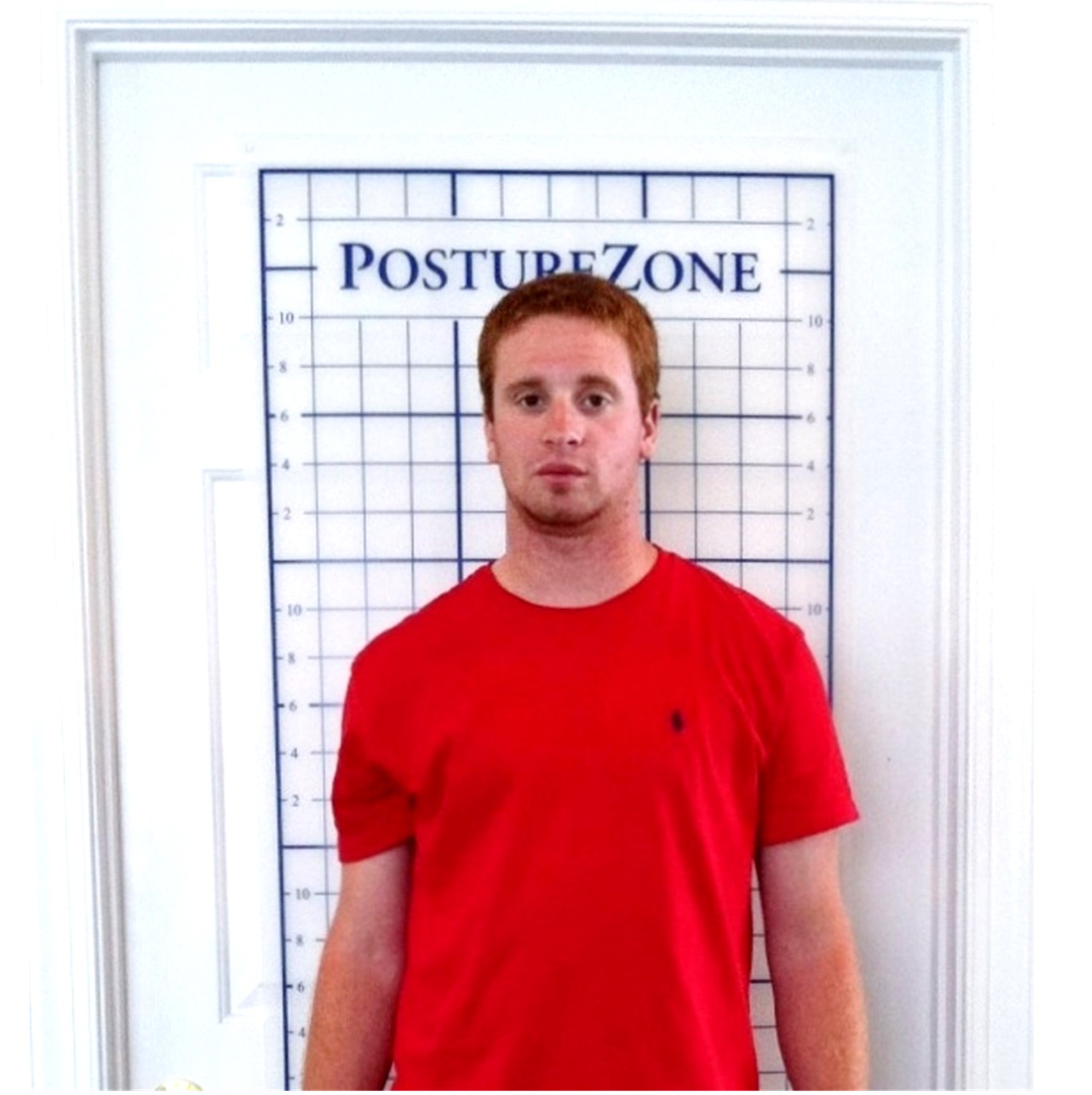
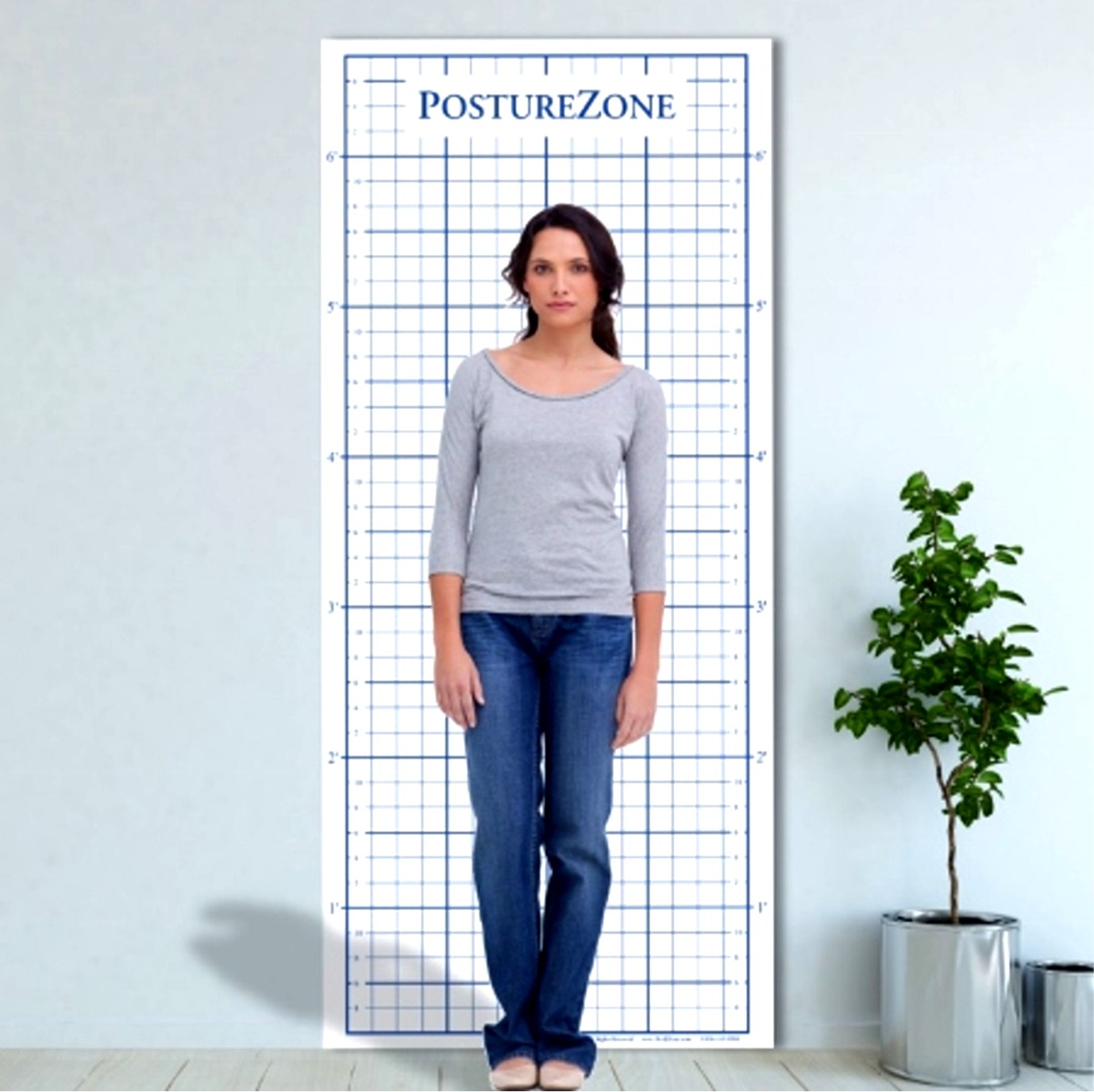
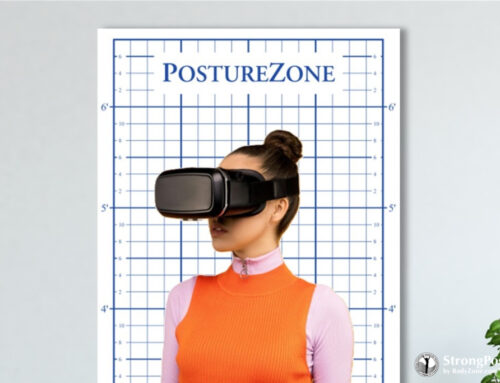
- Pro Tip: Encourage patients to share their Interoceptive Posture Picture (IPP) with their accountability partner. This simple four-photo protocol captures bipedal and unipedal posture against a grid (Weiniger & Schilaty, 2024). When shared with a friend or loved one, it’s a visual that sparks conversation about progress…and often inspires caregivers to check their own balance, amplifying the social ripple effect.
- Clinician Supervision and Care: Your role as a trusted NMS clinician is critical. PAT-Back participants valued “caring clinicians” who encouraged persistence. During adjustments or other passive care, introduce the StrongPosture Perception to Reality (P2R) methodology to align perceived and actual movement patterns. Begin with the universal B.A.M. awareness exercise, posture-conscious Stork with one-leg balance, mindfully focusing on symmetry. Progress to weight-shifting between feet.
- Addressing Care Access: Like PAT-Back participants in underserved Brazil, many seniors face barriers to consistent care. StrongPosture offers low-tech exercises—using household items like chairs or walls—complement in-office adjustments or therapy, making home practice accessible. Prescribe a tailored 5- or 10-minute daily routine, checked clinically, to bridge gaps between visits, solidifying your guidance in the patient’s healing journey and demonstrate tangible improvements, reinforcing your role as a healer.
By embedding social support into StrongPosture, you create a therapeutic alliance that mirrors and can surpass PAT-Back’s success, boosting adherence and clinical outcomes.
2. Exceeding Expectations: The StrongPosture “Wow!” Experience
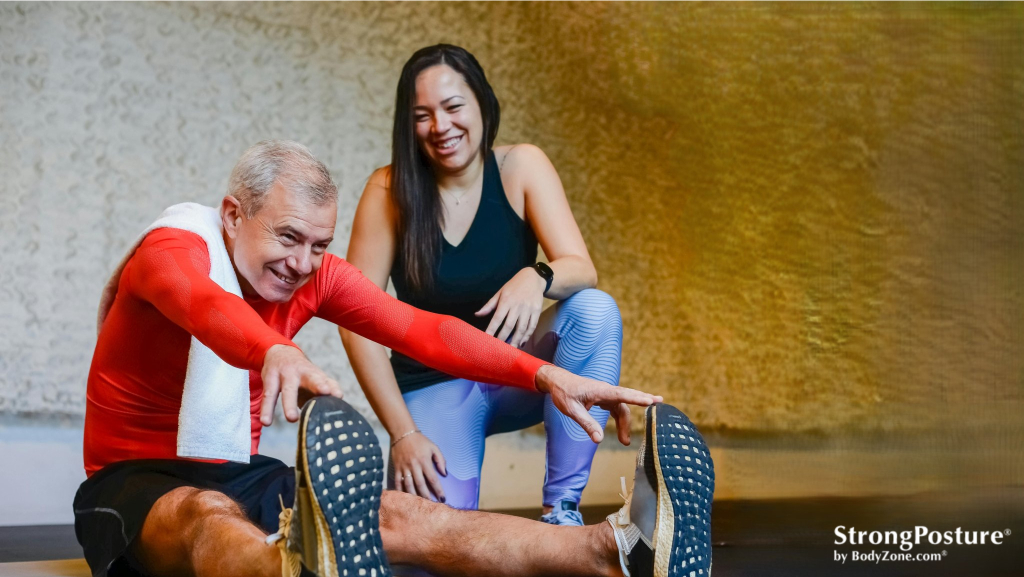
PAT-Back participants were skeptical about exercise’s benefits but became enthusiastic as they felt improvements. StrongPosture capitalizes on this by enhancing interoceptive awareness of subtle motions, delivering a “Wow!” experience that ignites engagement and compliance.
- Shifting Mindsets: Boomers (seniors) often fear movement will worsen pain, as seen in PAT-Back. The StrongPosture B.A.M. tracks—Balance with Stork progressions (e.g., single-leg stance), Alignment with awareness on the wall of the zones of the 4 postural masses (Posture Zones), and core coupled control of Motion. When patients feel how these gentle, intentional movements improve their posture after a 30-second drill, it challenges negative beliefs, much like PAT-Back’s education shifted perspectives.
- Interoceptive Awareness: StrongPosture trains patients to sense their body’s position in space, integrating proprioception and interoception. The IPP makes this tangible by visually capturing posture. When patients see and feel their torso or pelvis aligning closer to the grid’s centerline, it’s a “Wow!” moment that reinforces motor learning, motivating them to continue sequenced exercises.
- Sequenced Progression: Prescribed StrongPosture exercise builds on these moments with clear next steps. After a balance drill, guide patients to an alignment exercise, like Pelvic Tilts by PostureZone®, to lock in new patterns. This progression, paired with your adjustments or therapy, echoes PAT-Back’s group sessions, where supervised exercises built confidence for home practice.
These “Wow!” experiences align with PAT-Back’s finding that exceeding expectations fuels engagement, making StrongPosture® a potent tool to sustain boomers’ commitment.
3. Overcoming Comorbidities: The Action-Feedback Loop of Success
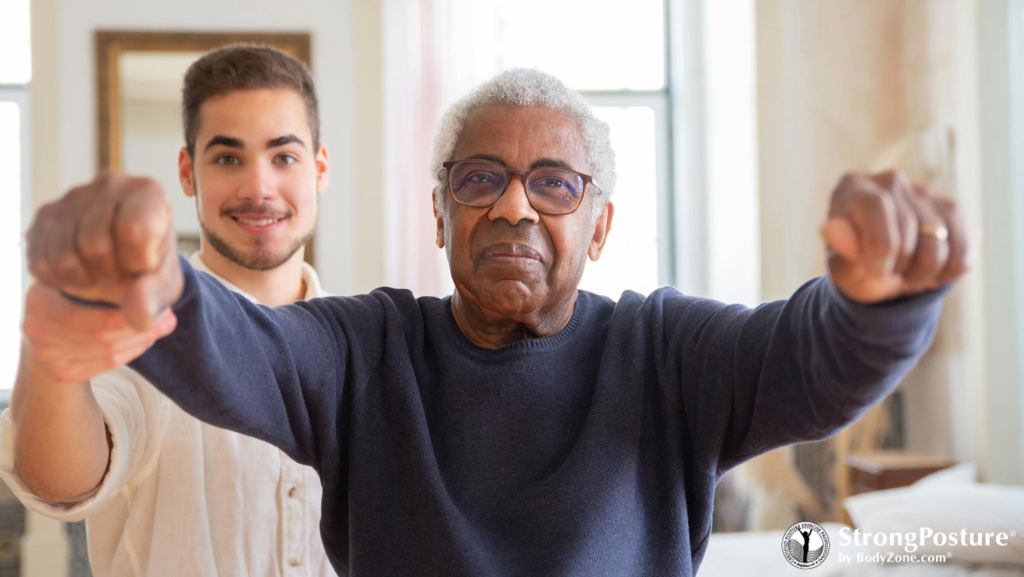
PAT-Back participants faced barriers like knee pain, hip arthritis, and mobility issues, yet those who persevered felt empowered. StrongPosture harnesses this action-feedback loop, where effort to perceive improvement drives positive behavioral change, even amidst other heath issues.
- Adapting to Comorbidities: Boomers often have coexisting conditions, as PAT-Back noted. The StrongPosture program has adaptable exercises that can be modified—e.g., seated Stork drills for knee issues or gentle motion arcs for shoulder pain. Pair these with your soft tissue techniques or manual therapy to address restrictions, creating a feedback loop where patients feel progress despite limitations.
- Celebrating Small Wins: The effort to stand taller or balance longer, visualized in an IPP, is a challenge boomers can conquer. Each success—like holding a single-leg stance for 10 seconds, up from 5 seconds last week—triggers dopamine release, reinforcing their drive to continue. This mirrors PAT-Back’s insight that perceived improvement sustained engagement, even with persistent pain elsewhere.
- Building Resilience: The StrongPosture program’s biobehavioral approach unites mind and body, focusing on what patients can do. A patient with emphysema, like one in PAT-Back, may struggle with supine exercises but thrive in upright alignment drills. In fact, recent research by Vardar-Yagli et al. (2025) in Pain Management Nursing highlights the link between body awareness, breath, and pain tolerance in those with obstructive lung diseases, citing our IPP work, underscoring the relevance of postural awareness and intentional control. Your adjustments or therapy, combined with tailored exercises, empower boomers to manage CLBP while navigating comorbidities.
By fostering this action-feedback loop, StrongPosture builds resilience, aligning with PAT-Back’s evidence that overcoming challenges drives lasting change.
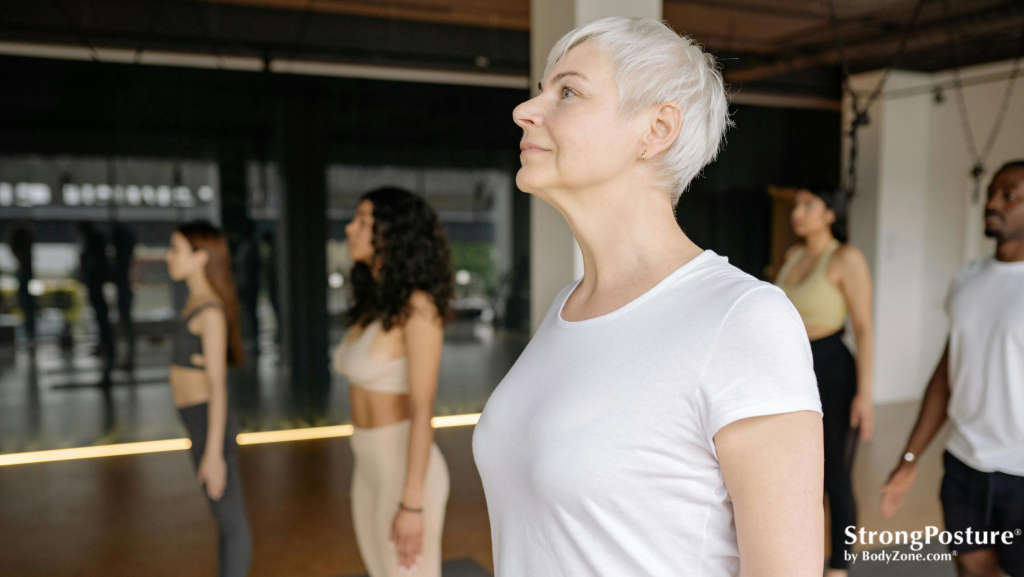
4. Tailored Communication: Meeting Boomers Where They Are
PAT-Back showed that technology, like text reminders, was helpful but challenging for some due to low digital literacy. StrongPosture prioritizes patient-preferred communication to sustain engagement, reinforcing your credibility as a trusted clinician.
- Flexible Delivery: While 95% of PAT-Back participants found text messages useful, others struggled with mobile phones. Ask your EHR vendor if they offer HIPAA compliant ways to communicate encouragement electronically. StrongPosture® handouts are more detailed, and designed to be distributed only as a printed handout, or with in-person demos during sessions. However, for tech-savvy boomers, use the educational quotes from the handout you gave them with other apps or emails to share IPP progress or B.A.M. exercise tips, mirroring PAT-Back’s motivational prompts.
- Simplifying Technology: For those with limited digital skills, like PAT-Back participants who used phones only for calls, keep it straightforward. Routinely teach one exercise at a time, like a balance drill, and reinforce it with verbal cues during visits. Family support boosts engagement—if needed, encourage patients to involve a tech-savvy family member to set up reminders.
- Personalized Connection: Your caring presence is paramount. During sessions, discuss IPP results or home exercise experiences, showing investment in their progress. This builds trust, ensuring communication aligns with their preferences and lifestyle.
Tailored communication, rooted in StrongPosture’s patient-centered, common-sense approach, keeps patients engaged, turning exercises into daily habits that overcome barriers like those in PAT-Back.
A Path Forward for Your NMS Practice
The PAT-Back study reflects what you see daily: aging boomers, seniors and geriatrics with chronic low back pain (CLBP) need more than passive adjustments or therapy to keep moving well—they need support, empowerment, and practical tools to move better. StrongPosture integrates seamlessly with your expertise, enhancing spinal manipulations, soft tissue work, and/or other rehabilitation with exercises that train posture, balance, and motion. By leveraging social support, creating “Wow!” moments, navigating comorbidities, and tailoring communication, you deliver outcomes that align with boomers’ desire to stay active and independent.
Start Small: introduce an IPP to spark posture awareness or teach one B.A.M. exercise to complement your care. As you build this biobehavioral bridge, you’ll see boomers stand taller, move stronger, and rely on you as their guide to a healthier life.
➤ Here’s the easiest all-in-one protocol to accomplish this type of exercise program with your patients: StrongPosture Protocol with Manual & Patient Exercise Handouts
For resources, visit PosturePractice.com or email me from there. Let’s help our boomers stand taller and live stronger together!

Dr. Steven Weiniger
Dr. Steven Weiniger is the posture expert. CEO of BodyZone.com, his team is dedicated to posture awareness with PostureMonth.org, and advancing NMS clinical care through StrongPosture® and evidence-informed practices.
References:
- de Jesus-Moraleida, F. R., et al. (2025). “They knew how to take care of people.” Chiropractic & Manual Therapies, 33(4), 24.
- Weiniger, S. P., & Schilaty, N. D. (2024). Interoceptive posture awareness and accuracy. Frontiers in Neuroscience, 18, 1359594.
- Vardar-Yagli, N., et al. (2025). The association between respiratory functions, pain tolerance, and body awareness. Pain Management Nursing, 26(1), e36-e41.