Practical Strategies for Patient Care
Forward Head Breathing (FHB) has significant effects on oral health. Our unthinking habits shape our body, so making real changes requires both education and targeted actions to engage and empower patients to follow through. The goal is looking the person in their eye with conviction and connecting with them so they experience a difference, one that encourages further changes.
Empowering Patients Through Biomechanical Education
One of your most powerful interventions can be educating patients about dental and biomechanical connections. When patients understand how the mechanics of how posture affects their breathing, and how their breathing affects their oral health, they become active participants in their care rather than passive recipients.1
Education can transform your approach to self-care, building confidence to take control of their postural environments. Conversationally, as if they’ve every looked at:
- Sleep ergonomics, and how their head is supported so they can breathe easiest
- Workstation setups that promote aligned posture
- Home exercises that incorporate habits of regular movement, daily posture and breathing exercise.

Actionable Tips for Stronger Posture
Daily Posture Awareness Techniques
- Drive taller: Suggest patients adjust their car’s rearview mirror so they must sit upright to see properly
- Lift your Tech: Raising mobile devices to eye level rather than looking down helps avoid tech neck and upper back pain
- Posture breaks: Encourage one-minute breaks every 30 minutes to reset alignment
Breathing Mechanics to Improve Oral Health
Here’s two beginning exercises for patients with mouth breathing and/or chest breathing patterns:
- StrongPosture® Breathing Exercise:
- Lie flat on the floor with your head level. Put a pillow under your neck if there’s any neck stress.
- Place a thick book on the belly.
- Breathe IN, pushing the book up with your belly
- Breathe OUT, letting the book drop down
- Focus on gentle expansion of the lower rib cage during inhalation
- Practice for 5 slow breaths, twice a day
- Nasal Breathing Awareness:
- Instruct patients to check throughout the day: “Am I breathing through my mouth right now?”
- Practice keeping lips gently closed during concentration tasks
- Use small sticky note reminders on computer monitors or phones
Integrating Posture Assessment Into Your Dental Practice
Consider incorporating these posture assessment strategies into your regular examination protocol:
Implement Annual Posture Pictures
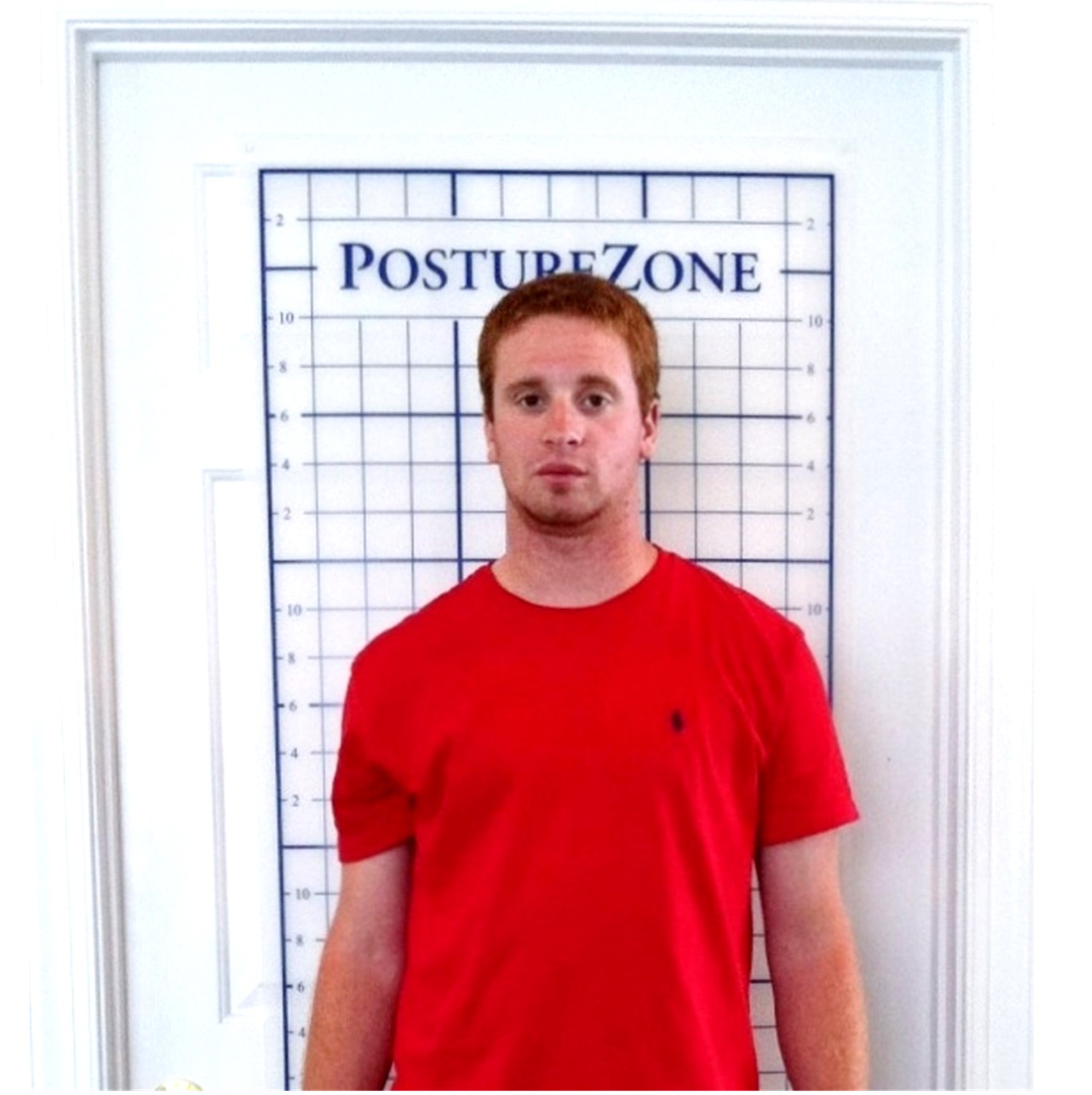
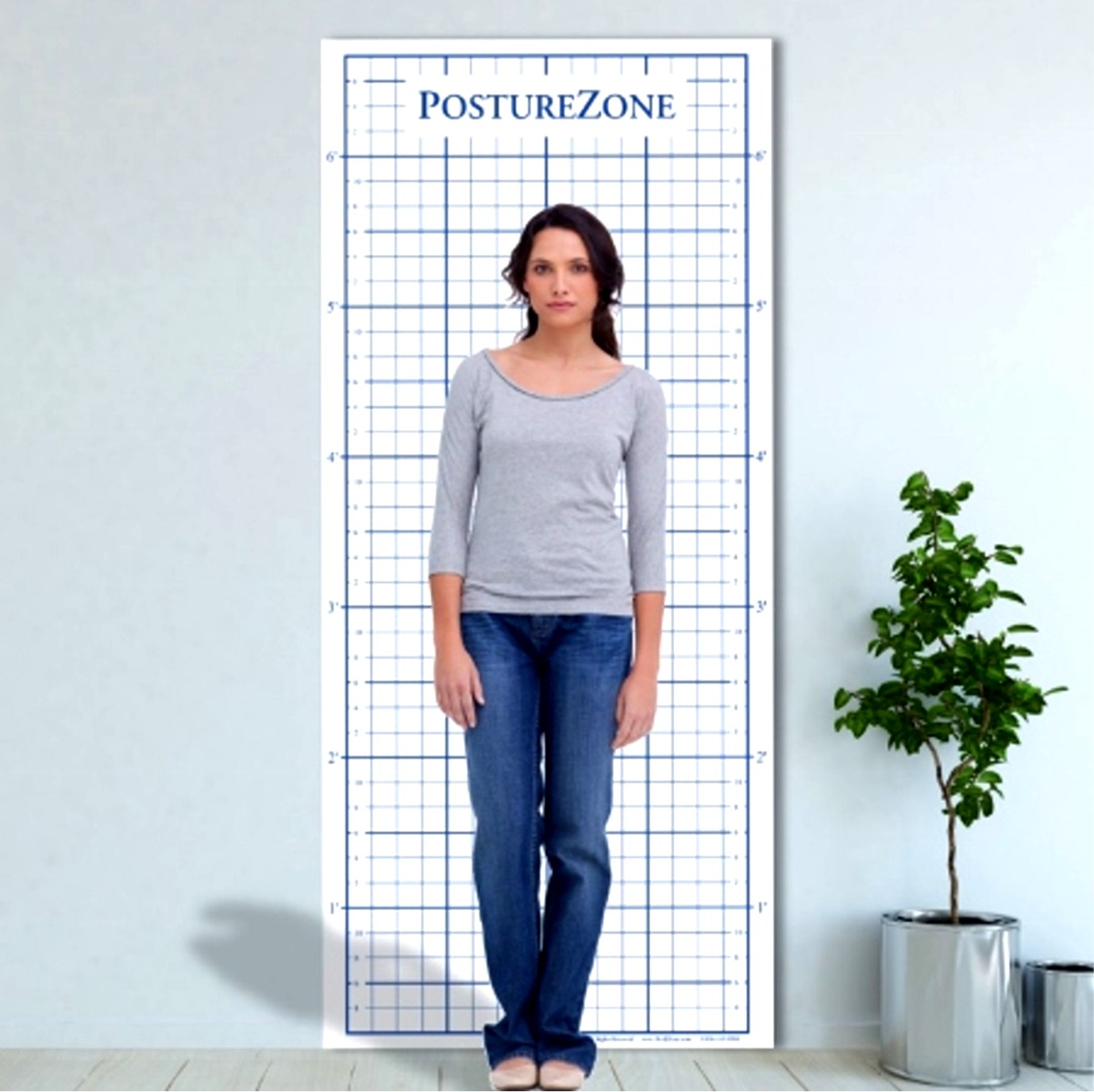
An annual posture picture is a powerful first step to create awareness and communicate your professional value beyond traditional dental care. Posture grids are used by dental professionals as well as hospitals and universities worldwide—they’re an excellent way to start interprofessional collaboration helping people stand taller and breathe stronger.
As one dental professional explains:
“We use the PostureZone grid to assess the global posture symmetry of the face, neck, and shoulders. This helps us diagnose airway and occlusion issues. In orthodontics, a malocclusion can cause posture problems. When a bite has an interference, that interference shifts the bite and puts strain on facial muscles, which connect to muscles in the back of the head and cervical vertebrae. That strain pulls on other muscles, creating posture issues.”

Posture Assessment Checklist
During routine examinations, systematically observe:
- Head position relative to shoulders
- Shoulder height and symmetry
- Breathing pattern (nasal vs. mouth)
- Jaw positioning and tension
- Overall spinal alignment while seated in the dental chair
Benefits for a Dentistry Practice
Incorporating posture assessment into your practice offers multiple benefits:
- Enhanced diagnostic insight: Connecting postural patterns to persistent oral health issues
- Differentiated practice: Standing out as a comprehensive care provider
- Increased patient engagement: Empowering patients with knowledge that extends beyond the dental chair
- Improved treatment outcomes: Addressing root causes rather than just symptoms
- Expanded referral network: Creating opportunities for collaboration with health professionals who focus on posture, and want help addressing airway issues.
By integrating posture assessment and education into your practice, you position yourself as a comprehensive oral health provider who understands the interconnected nature of the body’s systems—addressing not just symptoms, but their underlying causes.

REFERENCES:
Weiniger, Steven. Stand Taller Live Longer – A Posture & Anti-Aging Strategy 2008, BodyZone Press
Jung JH, Lee BH. Effects of breathing pattern and diaphragm exercise on forward head posture. Phys Ther Korea. 2018;25(2):13-20.
Cuccia AM, Caradonna C. The relationship between the stomatognathic system and body posture. Clinics (Sao Paulo). 2009;64(1):61-66.
Sakaguchi K, Mehta NR, Abdallah EF, et al. Examination of the relationship between mandibular position and body posture. Cranio. 2007;25(4):237-249.
Singla D, Veqar Z, Hussain ME. Photogrammetric assessment of upper body posture using postural angles: a literature review. J Chiropr Med. 2017;16(2):131-138.
Gadotti IC, Armijo-Olivo S, Silveira A, Magee D. Reliability of the craniocervical posture assessment: visual and angular measurements using photographs and radiographs. J Manipulative Physiol Ther. 2013;36(9):619-625.