Emergency trauma care is one of the most rapidly evolving areas in modern medicine. With every advancement, lives are saved more efficiently, and outcomes continue to improve. From battlefield applications to civilian emergency response, innovations in trauma care devices are changing how first responders and healthcare professionals treat injuries. In this article, we’ll explore the most significant breakthroughs in emergency trauma care, focusing on how these developments are shaping the future of life-saving interventions.
Smarter Tools for Quicker Response
In critical moments, time is everything. The latest trauma care devices are being developed with speed and simplicity in mind. New tools now allow responders to act quickly with minimal training, reducing treatment time and improving the chance of survival. These innovations are often compact, lightweight, and intuitive, designed for use in high-stress environments where every second matters.
In the midst of all these advancements, one brand has consistently delivered thoughtful and practical trauma solutions—SAM Medical. Known for its user-focused designs and high-quality products, SAM Medical has become a trusted name among first responders and healthcare professionals worldwide. Their commitment to innovation and safety has helped shape the direction of modern emergency care.
At the forefront of emergency medical innovation, SAM Medical provides a wide range of devices that support trauma care in the field and clinical settings alike. From their legendary SAM Splint to their high-performance chest seals and bleeding control kits, their products are designed to be intuitive, reliable, and effective. They work closely with first responders and healthcare providers to ensure their solutions address real-world challenges, helping save lives when it matters most.
Advancements in Bleeding Control
Stopping blood loss remains one of the most urgent priorities in trauma care. Modern hemostatic agents and tourniquets have seen significant upgrades in recent years. Today’s products are more effective at clotting blood quickly, are easier to apply, and often have longer shelf lives, making them perfect for field use. These tools are now considered standard equipment for both military medics and civilian EMS teams.
Evolution of Airway Management Devices
Securing a patient’s airway can be one of the most complex tasks in trauma situations. However, newer airway management tools are making this process safer and more accessible. Devices such as supraglottic airways and video-assisted laryngoscopes offer clear views and easier placement, even for those with less experience. These tools are designed to reduce errors and improve patient outcomes in chaotic scenes.
The Role of Portable Monitoring Systems
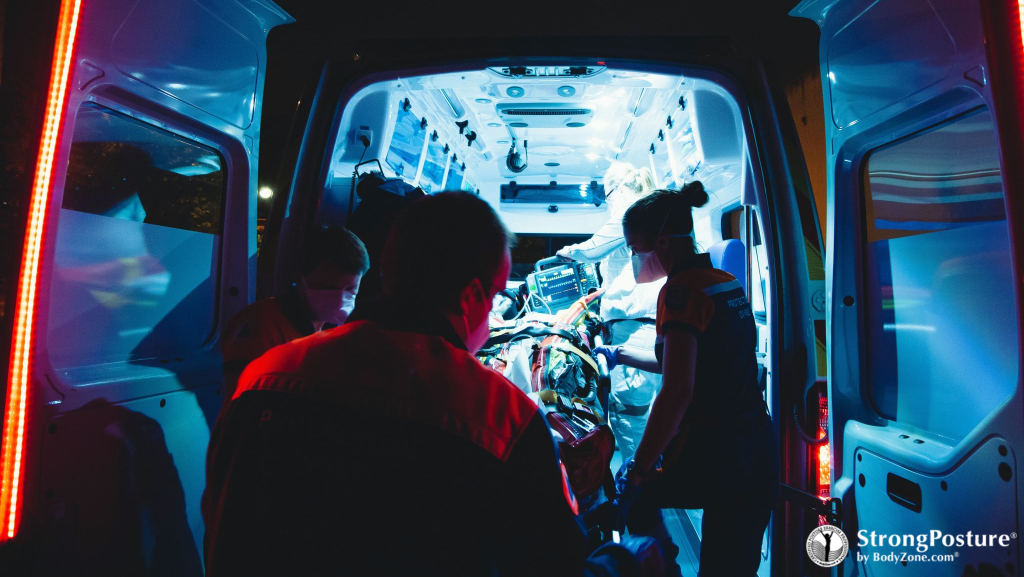
Portable patient monitors have become vital in trauma care. These devices allow emergency personnel to track vital signs in real time, making it easier to identify internal injuries or deteriorating conditions. The newest models are more compact, rugged, and connected—enabling seamless data sharing with hospitals and enhancing communication throughout the care continuum.
Revolutionizing Fracture Stabilization
Immobilizing broken limbs is a key aspect of pre-hospital trauma care. While traditional splints have served their purpose for decades, recent improvements have introduced more adaptable and effective designs. These new splints conform better to different body parts, offer stronger stabilization, and are easier to store in emergency kits. Their versatility makes them ideal for both urban and remote settings.
Improved Chest Injury Solutions
Chest injuries can be especially dangerous, often requiring immediate intervention. Innovations like advanced chest seals have made it easier to treat open pneumothorax and prevent tension pneumothorax, both of which can be life-threatening. These products are now more adhesive, work in various weather conditions, and offer one-way valves to relieve pressure—all key improvements that save lives.
Durability and Design in Harsh Environments
Modern trauma devices are increasingly built for rugged use. Whether responding to a natural disaster, wilderness accident, or combat zone injury, today’s equipment must withstand extreme environments. Manufacturers are using high-grade materials that resist moisture, temperature changes, and impact while still remaining lightweight and portable.
Training Tools and Simulation Devices
Effective use of trauma care devices depends heavily on proper training. Innovative simulation tools are helping responders practice with realistic scenarios before facing the real thing. These training aids include life-like mannequins, interactive software, and virtual reality modules, making preparation more engaging and impactful for learners at all levels.
Collaboration Between Innovators and Responders
One of the driving forces behind trauma care innovation is the close collaboration between product designers and emergency professionals. Field feedback from EMTs, paramedics, military medics, and ER doctors has helped shape the functionality and design of today’s life-saving tools. This hands-on approach ensures that the products meet the real-world demands of those who rely on them most.
The Future of Emergency Care: Integration and Efficiency
Looking ahead, we’re likely to see more integration among trauma devices. Smart technology is beginning to play a larger role, from connected sensors that track injuries to automated systems that assist with diagnosis. As these technologies evolve, we can expect emergency response to become more efficient, better coordinated, and ultimately more effective at preserving life in the most critical situations.