Key Takeaways
- Seeking Support and Professional Help
- Creating a Comfortable Living Space
- Incorporating Physical Activity
- Adopting a Balanced Diet
- Utilizing Adaptive Equipment
- Managing Arthritis Pain
- Managing Stress and Mental Health
- Making Lifestyle Adjustments
Arthritis, a chronic condition affecting millions, can significantly impact daily life. Characterized by joint pain, stiffness, and swelling, arthritis can make simple tasks challenging and reduce overall quality of life.
However, with the right strategies and a proactive approach, individuals with arthritis can effectively manage their symptoms and maintain a fulfilling lifestyle.
Read on to discover how to navigate the challenges of arthritis and reclaim your independence.

Seeking Support and Professional Help
Living with arthritis often requires additional support beyond self-management strategies. Accessing professional resources and support networks can provide valuable assistance in effectively managing the condition and improving overall quality of life.
Consider the following options to enhance your support system:
- Consult an occupational therapist: An occupational therapist can assess your daily routines and suggest modifications to make tasks easier. They can recommend assistive devices tailored to your needs, such as adaptive tools or ergonomic furniture. This personalized guidance can help you perform everyday activities with less discomfort and greater ease.
- Join support groups: Connecting with others who have arthritis can offer emotional support and practical advice. Support groups provide a platform for sharing experiences, learning new coping strategies, and finding encouragement. Engaging with a community of people who understand your challenges can help you feel less isolated and more empowered.
- Regular check-ups: Consistent visits to your healthcare provider are essential for monitoring your arthritis and adjusting your treatment plan. Regular check-ups allow for the evaluation of your condition, the adjustment of medications, and the discussion of any new symptoms or concerns. Staying on top of your health with routine appointments ensures that your arthritis treatment remains effective and responsive to your needs.
- Educate yourself: Staying informed about arthritis and its treatment options can benefit your management strategy. Educate yourself about the latest research, therapies, and best practices. This knowledge can help you make informed decisions about your care, understand new treatment options, and engage more actively in your health management.
These resources can provide crucial support and enhance your ability to manage arthritis effectively. Integrating professional guidance and community support into your routine can improve outcomes and a more balanced approach to managing the condition.
Creating a Comfortable Living Space
Adjusting your living space to accommodate the challenges of arthritis can significantly enhance your comfort and ease of daily tasks. Making your home more accessible and user-friendly can help reduce strain and improve your quality of life.
To achieve this, consider implementing the following modifications:
- Install grab bars: Place grab bars near the toilet, in the shower, and along hallways or staircases. These provide additional support, helping you maintain balance and stability and reducing the risk of falls. Installing them at appropriate heights ensures they’re easy to reach and offer maximum assistance when needed.
- Use ergonomic tools: Opt for kitchen utensils and cleaning tools designed to minimize joint stress. With their comfortable grips and shapes, ergonomic handles can reduce the effort needed for daily tasks such as cooking, cleaning, and managing household chores, making these activities less taxing on your hands and wrists.
- Arrange furniture for accessibility: Keep frequently used items within easy reach to avoid unnecessary strain. Arrange shelves and cabinets at heights that are comfortable for you to access without stretching or bending. This helps prevent overexertion and promotes a more organized and efficient living space.
- Consider adjustable furniture: Furniture with height or positional adjustments can improve comfort. For example, adjustable chairs and tables can help you find the most comfortable position for sitting or standing, reducing strain on your joints and enhancing overall posture.
Implementing these adjustments can create a more comfortable living environment, making it easier to perform daily activities and maintain independence.
Incorporating Physical Activity
Regular physical activity is essential for managing arthritis and maintaining overall health. Exercise is a powerful tool that can significantly improve joint function, reduce stiffness, and boost overall mobility, making daily tasks feel less burdensome.
To help you integrate physical activity into your routine, consider the following options:
- Low-impact aerobics: Gentle exercises like swimming, cycling, or brisk walking offer a range of benefits for individuals with arthritis. These low-impact activities strengthen your cardiovascular system, enhancing heart and lung function without putting excessive strain on your joints. Additionally, engaging in these exercises helps with weight management, which is crucial for reducing the pressure on weight-bearing joints.
- Strength training: Building muscle mass through light weightlifting or resistance band exercises is essential for supporting joint health. Strengthening the muscles around your joints provides crucial support, which can help alleviate pain and enhance stability during daily activities. Focusing on low-impact strength training improves muscle endurance and joint function, making everyday movements easier and reducing the risk of joint instability and discomfort.
- Range-of-motion exercises: Regular stretching and flexibility exercises, such as yoga or tai chi, can enhance joint mobility. These exercises focus on maintaining and improving a full range of motion, which helps reduce stiffness and discomfort associated with arthritis. Regularly engaging in these activities can improve joint function and flexibility, making it easier to perform daily tasks and move with greater ease.
- Tai Chi: Tai Chi is a mind-body practice that combines gentle, flowing movements with deep breathing techniques. This exercise is particularly beneficial for individuals with arthritis, as it enhances balance, coordination, and flexibility. By focusing on slow, deliberate movements and controlled breathing, Tai Chi improves overall body awareness and reduces the risk of falls.
Incorporating these forms of exercise into your regular routine can improve your ability to manage arthritis and enhance your quality of life.
Adopting a Balanced Diet
Nutrition plays a crucial role in managing arthritis symptoms and overall well-being. You can help reduce inflammation, support joint health, and maintain a healthy weight by making thoughtful food choices.
Here are some dietary adjustments to consider:
- Incorporate anti-inflammatory foods: Consuming a diet rich in omega-3 fatty acids can be beneficial for reducing inflammation associated with arthritis. Fatty fish like salmon and mackerel are excellent sources of these healthy fats. Additionally, nuts such as almonds, walnuts, and berries like strawberries and blueberries can further support joint health. These foods are packed with antioxidants that combat oxidative stress and inflammation, helping to protect and support your joints.
- Stay hydrated: Proper hydration is crucial for maintaining the health of your cartilage and ensuring that your joints are well-lubricated. Drinking enough water throughout the day helps keep your joints hydrated, which can reduce stiffness and discomfort. Aim for adequate fluid intake to support overall joint function and maintain flexibility.
- Limit processed foods: Reducing your consumption of processed foods can benefit your arthritis management. These foods often contain high levels of unhealthy fats, added sugars, and sodium, which can contribute to increased inflammation and weight gain. By cutting back on processed foods, you can help manage inflammation and mitigate symptoms associated with arthritis.
- Maintain a healthy weight: Excess weight places additional stress on weight-bearing joints, such as the knees and hips. Maintaining a healthy weight through a balanced diet and regular physical activity helps alleviate this pressure, which can reduce arthritis pain and improve overall joint function. Weight management is crucial in minimizing the strain on your joints and enhancing your quality of life.
These dietary changes can impact your arthritis management and enhance your overall well-being.
Utilizing Adaptive Equipment
Adaptive equipment can simplify daily tasks and reduce strain on joints, enhancing comfort and independence for those with arthritis. Implementing these tools in your daily life can help you manage routine activities more easily.
Here are some useful adaptive tools to consider:
- Reachers and grabbers: These versatile tools allow you to retrieve items from various heights without bending or stretching, preserving your joint health. Whether picking up dropped objects from the floor or reaching for items on high shelves, reachers and grabbers can provide much-needed relief.
- Electric can openers: Opening cans can be challenging for individuals with arthritis. Electric can openers eliminate the need for manual twisting, reducing strain on your hands and wrists. This simple tool can make a significant difference in your daily kitchen routine.
- Specialized Footwear: Investing in shoes designed to provide proper support and cushioning can alleviate discomfort and pain in your feet and legs. Look for footwear with features like arch support, shock absorption, and ample toe room to accommodate potential swelling.
- Ergonomic tools: Modifying everyday tools with larger grips or ergonomic designs can make a substantial impact on your ability to perform tasks without excessive strain. These adaptations, from pens and utensils to door handles, can help preserve joint health and reduce pain.
These adaptive tools can enhance your daily living experience and help you maintain a higher level of independence.
Managing Arthritis Pain
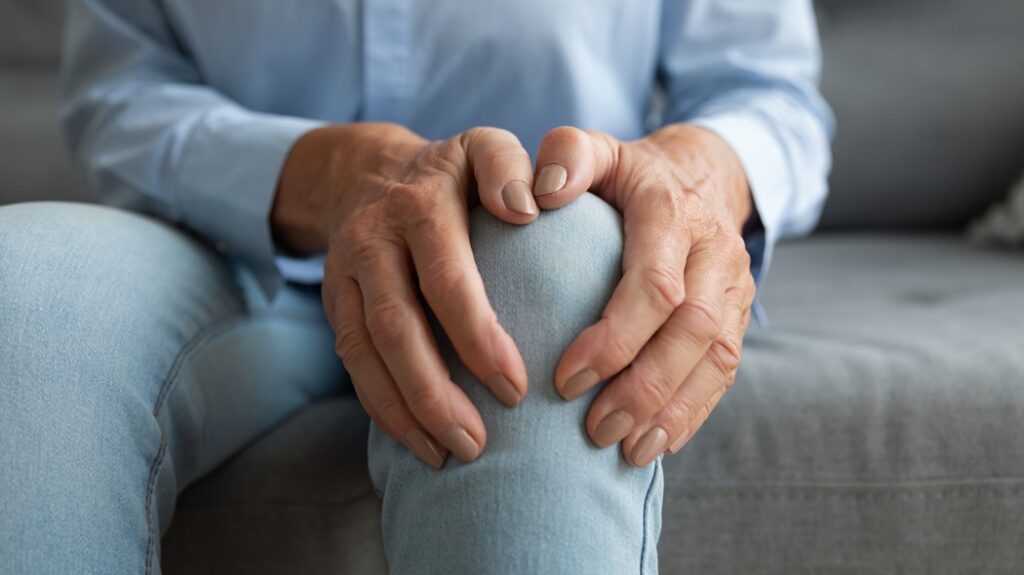
Effectively managing arthritis pain is essential for maintaining comfort and enhancing your quality of life. Addressing pain through various strategies can help you stay active and enjoy daily activities with greater ease.
To manage arthritis pain effectively, consider the following approaches:
- Medication: Over-the-counter or prescription pain relievers can reduce arthritis pain and inflammation. It’s essential to consult your healthcare provider to determine the most suitable medication for your specific condition and discuss potential side effects and interactions with other medications.
- Physical therapy: A physical therapist can develop a personalized exercise program to strengthen the muscles supporting your joints, improve flexibility, and reduce pain. Physical therapy also teaches proper body mechanics and techniques for performing daily tasks with less strain on your joints.
- Heat and cold therapy: Both heat and cold can provide relief from arthritis pain, depending on your specific symptoms. Heat therapy helps relax tense muscles and increase blood flow, while cold therapy can numb the affected area, reducing inflammation and swelling.
- Mindfulness and relaxation techniques: Stress can exacerbate arthritis pain. Incorporating mindfulness practices like meditation, deep breathing, and yoga into your routine can help manage stress, improve your overall well-being, and potentially reduce pain perception.
Incorporating these pain management strategies into your routine can help you maintain a better quality of life and manage arthritis symptoms more effectively.
Managing Stress and Mental Health
Arthritis can also impact mental well-being. Addressing stress and emotional health is crucial for a holistic approach to managing arthritis.
To effectively manage stress and mental health, consider these approaches:
- Practice stress management techniques: Relaxation techniques such as yoga, meditation, and deep breathing can effectively reduce stress levels. Regular practice of these activities helps calm the mind, improve focus, and enhance one’s ability to cope with the emotional demands of chronic pain.
- Seek counseling: Talking to a mental health professional can provide invaluable support and guidance. A therapist can help you develop healthy coping mechanisms, manage feelings of frustration or depression, and improve your overall mental well-being.
- Stay connected: Maintaining strong social connections is vital for emotional health. Spending time with loved ones, participating in social activities, and joining support groups can help combat feelings of isolation and provide a sense of belonging.
- Set Realistic goals: Establishing achievable goals can boost your self-esteem and motivation. By focusing on small, attainable steps, you can build a sense of accomplishment, reducing feelings of frustration and increasing resilience.
Integrating these strategies into your routine can enhance your emotional resilience and improve your overall quality of life while managing arthritis.
Making Lifestyle Adjustments
Adapting your lifestyle can greatly enhance your comfort and functionality with arthritis. Small changes can make daily activities more manageable and reduce physical strain.
To improve daily living with arthritis, implement these modifications:
- Pace yourself: Break tasks into smaller, more manageable steps and allow yourself regular breaks. This can help prevent overexertion and reduce the strain on your joints during daily activities.
- Use assistive devices: Employ tools such as voice-activated technology to perform tasks without physical effort. These devices can simplify chores and reduce the physical burden associated with everyday tasks.
- Modify daily routines: Adapt your routines to minimize stress on affected joints. For example, adaptive methods for dressing or cooking can be used to avoid movements that exacerbate joint pain.
- Stay organized: To reduce unnecessary movements, keep your living space tidy and organized. An organized environment can help you avoid unnecessary strain and make it easier to access frequently used items.
These lifestyle adjustments can help you better manage arthritis symptoms and improve your overall quality of life.
Final Thoughts
Managing arthritis requires a holistic approach that blends practical adjustments with supportive resources. You can improve daily functionality and comfort by making thoughtful modifications to your living space, incorporating adaptive tools, and embracing lifestyle changes. Alongside these practical steps, seeking professional guidance and staying informed about your condition are crucial for effective management. Embrace these strategies to take control and live a more fulfilling life despite the condition.