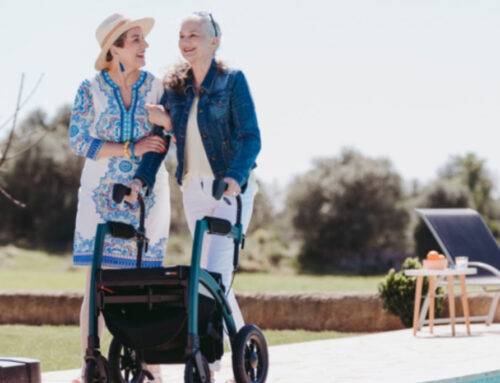
As our loved ones age, maintaining an active lifestyle becomes increasingly important for their physical health, mental well-being, and overall quality of life. However, encouraging elderly relatives to stay active can sometimes be challenging. This article explores various strategies and approaches to motivate and support older adults in leading more active lives.
Understanding the Importance of Activity for Seniors
Regular physical activity and mental engagement offer numerous benefits for older adults:
- Improved physical health: Exercise helps maintain muscle strength, flexibility, and balance, reducing the risk of falls and injuries.
- Enhanced mental well-being: Staying active can alleviate symptoms of depression and anxiety while boosting overall mood.
- Better cognitive function: Engaging in various activities can help maintain mental sharpness and potentially reduce the risk of cognitive decline.
- Increased social interaction: Many activities provide opportunities for socializing, combating loneliness and isolation.
- Greater independence: Maintaining an active lifestyle can help seniors retain their ability to perform daily tasks independently.

Strategies for Encouraging Activity
1. Lead by Example
One of the most effective ways to encourage elderly relatives to be more active is to lead by example. Invite them to join you in your activities or start new ones together. This approach not only provides motivation but also creates opportunities for quality time and bonding.
2. Find Activities That Match Their Interests
Encourage activities that align with your elderly relative’s interests and passions. If they enjoy nature, suggest regular walks in the park or gardening. For those who love music, dancing or attending concerts can be excellent options. The key is to make the activities enjoyable rather than feeling like a chore.
3. Start Small and Build Gradually
If your elderly relative has been inactive for a while, it’s essential to start with small, achievable goals. Begin with short walks or gentle exercises and gradually increase the duration and intensity as their stamina improves. Celebrate small victories to keep them motivated.
4. Emphasize Social Aspects
Many seniors are more likely to engage in activities that have a social component. Look for group classes, community centers, or clubs that cater to older adults. These settings provide opportunities for making new friends and staying socially connected while being active.
5. Adapt Activities to Their Abilities
Consider any physical limitations your elderly relative may have and adapt activities accordingly. Chair exercises, water aerobics, or tai chi can be excellent options for those with mobility issues. The goal is to find activities that are challenging yet safe and comfortable.
6. Incorporate Technology
Technology can be a great tool for encouraging activity. Introduce them to fitness apps, video games that promote movement (like Wii Sports), or online exercise classes designed for seniors. These tech-based options can add an element of fun and novelty to their routine.
7. Make It a Family Affair
Involve the whole family in activities with your elderly relatives. Plan active family outings, such as picnics in the park, nature walks, or gentle sports activities. This approach not only encourages physical activity but also strengthens family bonds.
8. Highlight the Benefits
Educate your elderly relatives about the numerous benefits of staying active. Share success stories of other seniors who have improved their quality of life through regular activity. Understanding the positive impact can be a powerful motivator.
9. Create a Routine
Help your elderly relative establish a regular activity routine. Consistency is key in forming habits, so try to schedule activities at the same time each day or week. This structure can make staying active feel like a natural part of their daily life.
10. Ensure Safety and Comfort
Always prioritize safety when encouraging activity. Ensure they have appropriate gear, such as comfortable shoes for walking or proper equipment for exercises. If necessary, consult with their healthcare provider to determine safe and suitable activities.
11. Consider Professional Support
In some cases, working with a professional can be beneficial. Physical therapists or personal trainers specializing in senior fitness can provide tailored exercise programs and ensure proper form and safety.
12. Explore Community Resources
Many communities offer programs specifically designed for senior citizens. Look into local senior centers, YMCAs, or parks and recreation departments for classes and activities catering to older adults.

The Role of Living Environments
The living environment plays a crucial role in facilitating an active lifestyle for seniors. While many prefer to age in place, some may benefit from the structured activities and social opportunities provided by assisted living facilities or nursing care homes. These environments often offer a range of activities designed to keep residents engaged and active, both physically and mentally.
Conclusion
Encouraging elderly relatives to be more active is a journey that requires patience, creativity, and understanding. By focusing on their interests, starting gradually, and making activities enjoyable and social, we can help our loved ones embrace a more active lifestyle. Remember, the goal is not just to add years to their life but to add life to their years. With the right approach and support, seniors can discover the joy and benefits of staying active, leading to improved health, happiness, and quality of life in their golden years.