Posture, a key element of physical health, is influenced by various factors, including the ankles’ alignment. Proper ankle alignment plays a crucial role in maintaining the stability and function of the feet and impacts the overall biomechanical balance of the body. By understanding the interconnection between ankle alignment and posture, you can recognize potential issues and implement effective remedies.
Read on to learn how ankle alignment affects your posture.
The Role Of Ankle Alignment In Postural Stability
The ankles act as foundational support for the body, bearing the weight and providing the necessary balance for movement. When the ankles are properly aligned, the body weight distribution is even, allowing for optimal posture and reducing stress on other joints. However, misalignment in the ankles can lead to a domino effect, adversely impacting the knees, hips, back, and even the neck.
Therefore, it’s essential to visit specialists like those at Teton Foot & Ankle Center to obtain insights and treatments to ensure proper ankle health, which is instrumental in maintaining good posture. Their expertise in foot and ankle care is crucial if you’re experiencing related issues that could affect your overall posture.
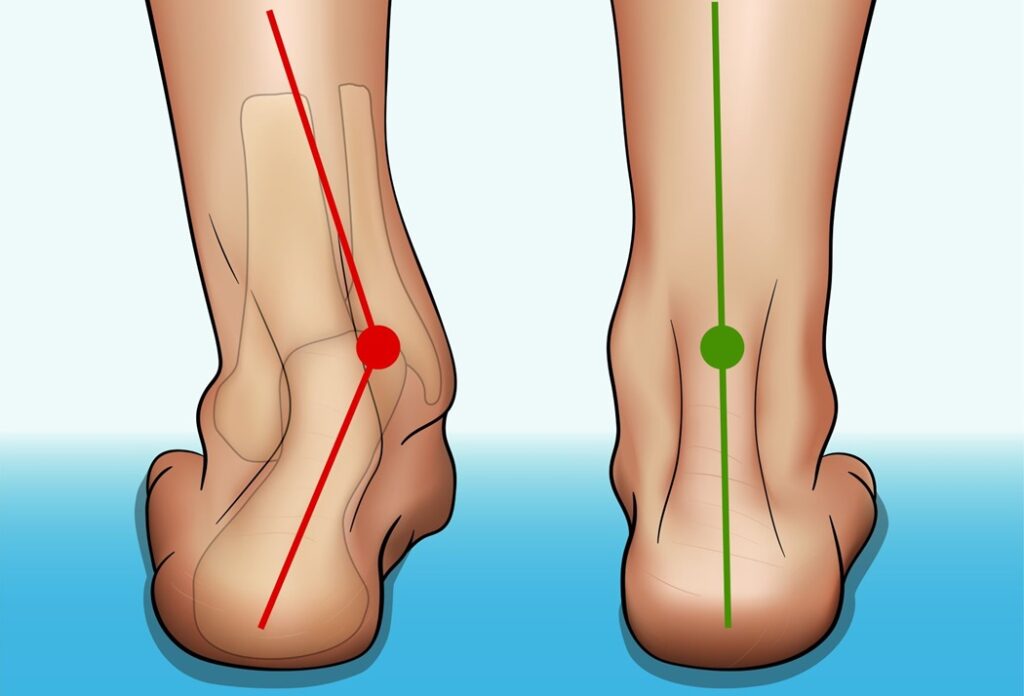
How Ankle Misalignment Occurs
Ankle misalignment can result from various factors that disrupt the ankle joint’s normal anatomical and functional alignment. These factors can be broadly categorized into the following:
- Congenital Conditions: Some individuals are born with structural abnormalities in their feet and ankles, such as flat feet or high arches, that predispose them to misalignment. These inherent conditions can affect how the feet bear the body’s weight and lead to misalignment over time.
- Injuries: Traumatic incidents such as sprains, fractures, or tendon damage can lead to temporary or permanent changes in ankle alignment. The healing process might not restore the original structure perfectly, resulting in an altered gait that impacts the ankle’s alignment.
- Wear and Tear from Daily Activities: Regular activities, especially those involving repetitive motion or high impact such as running or jumping, can stress the ankles. Over time, this can lead to weakening of the supporting muscles and ligaments, which contributes to misalignment.
Moreover, some common conditions linked to misalignment include:
- Overpronation: The foot rolls inward excessively, stressing the inner ankle and associated structures.
- Supination: The foot rolls outward, placing extra stress on the outer ankle.
Both overpronation and supination disrupt the natural balance and alignment of the ankles, leading to improper posture and increased bodily strain. By recognizing these causes, you can address and correct ankle misalignment effectively.
The Impact Of Ankle Misalignment On The Body
Ankle misalignment has extensive repercussions that impact far beyond the immediate vicinity of the feet and ankles, affecting the entire body’s biomechanical integrity and function. The implications of such misalignment extend through various body parts, leading to a cascade of physiological changes and discomfort:
Here’s the impact of ankle misalignment on the body:
Effects On The Lower Body:
- Knees: Misaligned ankles often cause compensatory adjustments in the knees to maintain balance, potentially leading to knee pain and degenerative conditions like osteoarthritis.
- Hips: Altered gait due to ankle issues can shift how the hip joints are used, contributing to uneven hip alignment and increased wear on one side of the hip joint.
- Feet: Continuous stress due to poor ankle alignment can exacerbate foot conditions such as plantar fasciitis and bunions, causing severe pain and mobility issues.
Effects On The Upper Body:
- Pelvic Tilt: Chronic ankle misalignment can lead to an anterior or posterior pelvic tilt, disturbing the natural alignment of the pelvis and affecting the lower back.
- Spinal Deviations: As the body tries to compensate for the lower limb imbalances, it can lead to unnatural spinal curvatures, such as scoliosis or kyphosis, which often result in persistent back pain and stiffness.
- Shoulder and Neck Strain: The ripple effect of misalignment can reach the shoulders and neck, as these areas strain to compensate for the altered posture. This potentially leads to tension headaches and chronic neck pain.
These consequences highlight the interconnectedness of body mechanics, where a disturbance in one area can lead to a range of issues elsewhere. Over time, if left unaddressed, ankle misalignment can significantly reduce movement efficiency and increase the risk of injury, emphasizing the need for timely diagnosis and intervention.

Symptoms And Diagnosis Of Ankle Misalignment
Early identification of ankle misalignment is crucial for preventing a cascade of postural problems that can affect overall health and mobility. By recognizing the symptoms of this condition, you can ensure timely intervention and management. Some common symptoms to watch out for include:
- Uneven Shoe Wear: Shoes may show disproportionate wear patterns, with more wear on the inner or outer soles, indicating overpronation or supination.
- Frequent Ankle Sprains: An increased incidence of sprains may suggest weakened or improperly aligned ankle structures.
- Visible Flattening or Elevation of the Arch: Changes in the foot arch, either collapsing (flat feet) or becoming overly arched (high arches), can signal underlying issues with ankle alignment.
Furthermore, healthcare providers can rely on a combination of diagnostic tools to accurately diagnose ankle misalignment. These include:
- Physical Examinations: Detailed assessments by a healthcare professional can reveal structural abnormalities and functional deficits in the ankle and foot.
- Gait Analysis: This involves observing the patient’s walking pattern to identify abnormal movements that might indicate misalignment.
- Imaging Techniques: These include x-rays which provide a clear picture of the bone structure to detect any misalignments or structural abnormalities and MRIs which offer detailed images of both hard and soft tissues, allowing for the examination of ligaments, tendons, and cartilage for any signs of damage or misalignment.
These diagnostic tools are essential for developing a comprehensive understanding of the extent and nature of the misalignment, guiding the development of an effective treatment plan. By addressing ankle misalignment promptly, it’s possible to mitigate its impact on posture and overall bodily health.
Treatment Options For Correcting Ankle Misalignment
The approach to treating ankle misalignment is highly personalized, based on the severity and specific nature of the condition. Treatment strategies can be broadly categorized into non-invasive and invasive methods. These include:
Conservative Approaches:
- Orthotic Devices: Custom-made or over-the-counter orthotics are designed to support the arch and correct the alignment of the foot and ankle. They can help distribute pressure evenly across the foot, reducing the stress on the ankle joint.
- Physical Therapy: A regimen of exercises aimed at strengthening the muscles around the ankle to improve stability and mobility. Physical therapy also includes techniques to enhance coordination and balance, which are essential for correcting gait abnormalities caused by ankle misalignment.
Invasive Methods:
- Surgery: In cases where conservative treatments are ineffective, surgical options such as realignment procedures or joint replacements may be considered. Surgery aims to restore the normal alignment of the ankle, alleviate pain, and improve function.
These treatments are often used in combination to achieve the best results, with the goal of restoring normal ankle function and preventing further complications related to misalignment.
Preventative Measures And Lifestyle Adjustments
Preventing ankle misalignment involves adopting healthy lifestyle choices and consciously adjusting daily habits. Some key preventative strategies include:
- Weight Management: Extra weight stresses the ankles and joints, increasing the risk of misalignment. Keep a healthy weight through diet and exercise to significantly reduce this risk.
- Footwear: Shoes should provide proper support and fit well. High heels and shoes with inadequate arch support should be avoided, as they can contribute to misalignment.
- Exercise: Incorporating strength training and flexibility exercises into a regular fitness regimen can help strengthen the muscles and ligaments that support the ankles.
- Targeted Exercises: Specific exercises aimed at strengthening the lower legs, such as calf raises and ankle rolls, can improve stability and reduce the risk of injury.
By incorporating these preventative measures into daily life, you can significantly decrease the likelihood of developing ankle misalignment and maintain better overall foot and ankle health.
The Long-Term Benefits Of Maintaining Proper Ankle Alignment
Ensuring proper ankle alignment is fundamental for maintaining overall health and optimizing physical performance. Proper alignment positively impacts various aspects of bodily function and health through the following:
- Enhanced Stability and Balance: Proper ankle alignment provides a stable base for standing and movement, reducing the risk of falls and injuries, particularly in uneven terrains or during complex movements.
- Improved Posture: Aligning the ankles correctly helps maintain the natural curvature of the spine, promoting better posture. This alignment prevents the development of compensatory postures that can lead to chronic pain and musculoskeletal issues.
- Increased Efficiency of Movement: Correct ankle alignment allows for more efficient muscle activations and energy use during movement. This efficiency enhances athletic performance and decreases fatigue, making everyday activities easier and more enjoyable.
- Reduced Risk of Injury: By maintaining proper alignment, the stress on joints, muscles, and ligaments is minimized, reducing the likelihood of injuries such as sprains, fractures, and chronic joint problems.
- Prevention of Physical Discomfort: Proper alignment helps avoid the discomfort and pain associated with conditions like plantar fasciitis, Achilles tendinitis, and shin splints. Regularly maintaining alignment can decrease the need for medical interventions related to misalignment complications.
Overall, focusing on proper ankle alignment contributes significantly to a healthier, more active lifestyle, highlighting its importance beyond mere movement facilitation.
Final Thoughts: The Importance Of Ankle Alignment For Optimal Health And Mobility
Aligning the ankles is a fundamental aspect of maintaining good posture and overall physical health. Understanding the causes and effects of ankle misalignment can help you obtain timely intervention. Treatment and preventative measures can help improve ankle alignment and enhance your quality of life by preventing further postural complications.