Posture-related pain: It’s an all-too-common complaint, often stemming from the hours we spend hunched over desks, staring at screens, or engaging in repetitive activities. This discomfort, whether a nagging ache or a sharp twinge, can affect various parts of the body, including the neck, shoulders, back, and even the hips. Left unaddressed, it can significantly impact our quality of life, hindering our ability to work, exercise, and enjoy daily activities.
Here, we’ll explore the causes of posture-related pain, discuss effective care strategies, and share practical tips for maintaining proper alignment. Whether you’re seeking relief from existing discomfort or hoping to prevent future issues, understanding the importance of good posture and implementing proactive care is key to achieving optimal health and well-being.
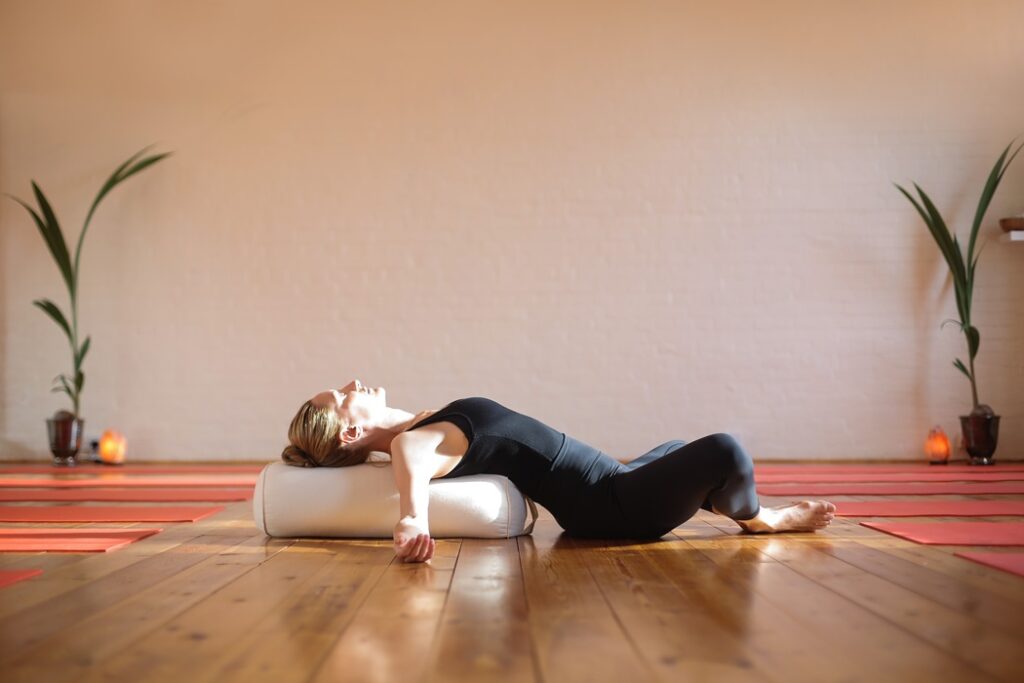
Identifying and Diagnosing Posture-Related Pain
Posture-related pain isn’t always obvious. It often starts as a subtle discomfort that gradually worsens over time. Recognizing the symptoms early on is crucial for effective intervention and prevention of long-term complications.
A. Common Symptoms:
- Localized pain: Aches or stiffness in the neck, shoulders, upper or lower back, and hips.
- Muscle tension and tightness: Feeling of knots or tightness in the affected muscles.
- Headaches: Dull or throbbing pain, often originating from the neck or shoulders.
- Numbness or tingling: Sensation of pins and needles in the arms or legs.
- Limited range of motion: Difficulty moving or turning the head, neck, or back.
- Fatigue: Feeling tired or drained, especially after sitting or standing for long periods.
If you experience any of these symptoms, it’s important to consult with your primary care doctors or a qualified healthcare professional. Early diagnosis and treatment can prevent the pain from becoming chronic and causing further damage.
B. Diagnostic Methods:
Healthcare providers use various methods to diagnose posture-related pain, including:
- Physical examination: Assessing your posture, range of motion, and muscle strength.
- Medical history review: Discussing your lifestyle, occupation, and any previous injuries.
- Imaging studies: X-rays, MRIs, or CT scans may be used to rule out other conditions or assess the severity of the issue.
- Ergonomic assessments: Evaluating your workspace and activities to identify potential triggers and recommend modifications.
By identifying the root cause of your discomfort, healthcare providers can develop a personalized treatment plan to address your specific needs and help you regain optimal posture and pain-free movement.
Ergonomic Adjustments in Daily Life
Ergonomics is the science of designing environments to fit the people who use them. By making ergonomic adjustments, you can reduce strain on your body and promote healthy posture.
A. Setting Up an Ergonomic Workspace:
- Position your chair so that your feet rest flat on the ground and your knees form a 90-degree angle.
- Position your computer monitor at eye level, about an arm’s length away.
- Use a keyboard and mouse that allow your wrists to remain in a neutral position.
B. Proper Sitting and Standing Techniques:
- Sit up straight with your shoulders relaxed and your back supported.
- Avoid slouching or leaning forward.
- Distribute your weight evenly on both feet while standing, and avoid locking your knees.
For personalized care, a skilled chiropractor in Boca Raton, FL can assess your posture, identify misalignments, and create a tailored plan to alleviate pain and improve spinal health.
C. Using Supportive Furniture and Tools:
- Invest in an ergonomic chair that provides adequate lumbar support.
- Consider using a standing desk or a sit-stand converter to alternate between sitting and standing throughout the day.
- Use a document holder to keep papers at eye level while typing.
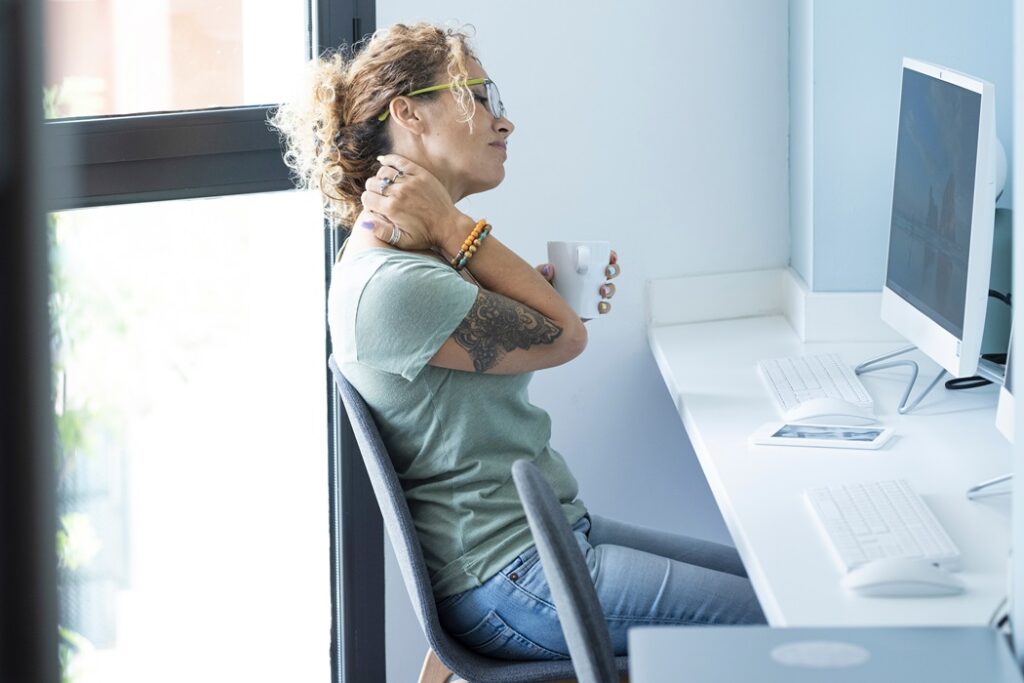
Incorporating Movement and Breaks into Daily Routines
Our bodies are designed for movement, not prolonged periods of sitting or standing. Regular breaks and stretching can help alleviate muscle tension and promote circulation.
A. Stretching Exercises:
- Neck stretches: Gently tilt your head from side to side and front to back.
- Shoulder rolls: Roll your shoulders forward and backward in a circular motion.
- Back stretches: Reach your arms overhead and gently arch your back.
- Hip flexor stretches: Kneel on one knee with the other foot forward and gently lean forward.
B. Micro-breaks:
- Take short breaks every 20-30 minutes to stand up, stretch, and move around.
- Get up and walk around for a few minutes every hour.
- Set a timer to remind yourself to take breaks.
Strengthening and Conditioning Exercises
Strong muscles provide better support for your spine and help maintain good posture. Regular exercise can also improve flexibility and reduce the risk of injury.
A. Core Strengthening:
- Planks: Maintain a push-up stance while resting your forearms on the floor.
- Crunches: Lie flat on your back, bend your knees, and raise your head and shoulders off the floor.
- Bird dog: Start on all fours and extend one arm and the opposite leg.
B. Upper Body and Back Exercises:
- Rows: Sit on the floor with your legs extended and pull a resistance band toward your chest.
- Lat pulldowns: Use a pulldown machine or resistance band to pull a bar down toward your chest.
- Reverse fly: Stand with your feet shoulder-width apart and raise your arms out to the sides.
C. Flexibility and Stretching Routines:
- Yoga or Pilates: These practices can improve flexibility, strength, and balance.
- Foam rolling: Use a foam roller to massage tight muscles and improve flexibility.
Incorporate these preventive strategies into your daily life to minimize your risk of posture-related pain and enjoy a healthier, more active lifestyle.
Embrace a Pain-Free Life
Remember, your posture is a reflection of your overall well-being. By prioritizing your postural health and taking proactive steps, you’re not just preventing pain; you’re investing in a future filled with vitality, mobility, and the freedom to fully engage in the activities you love.
Embrace the power of good posture—your body will thank you!