Body image issues can deeply affect your confidence and overall well-being, but there are practical steps you can take towards self-improvement. This guide is designed to help you navigate these challenges, offering strategies to foster a healthier self-image and boost your self-esteem. Remember, the journey to self-acceptance begins with the first step, and you are not alone.
Seek Professional Help
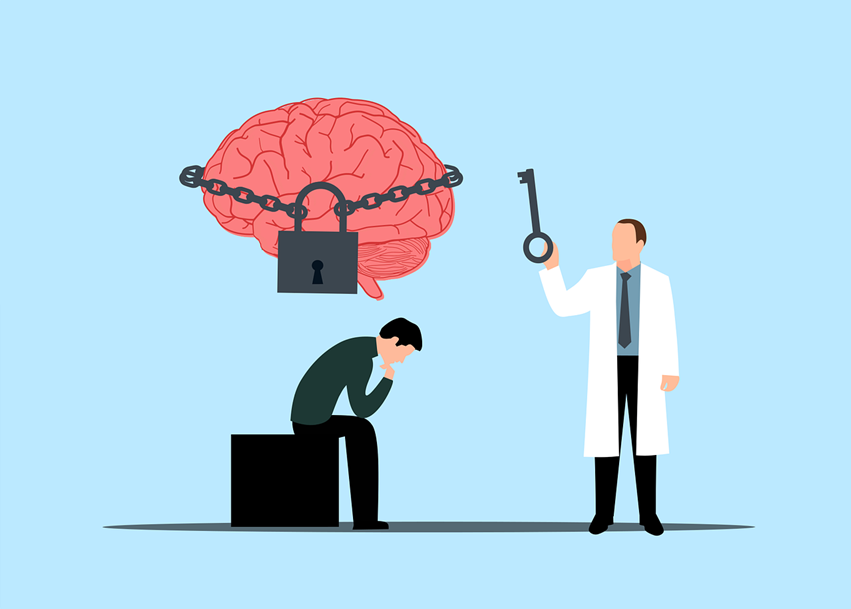
Seeking professional help is crucial for addressing body image issues because mental health professionals are trained to provide guidance, support, and effective coping strategies. Those living in Mile-high City and struggling with such problems like to find Denver counseling services knowing that therapists can help individuals understand the root causes of their body image concerns, work through negative thoughts, and develop a healthier self-perception. Additionally, professionals can offer tailored interventions, such as cognitive-behavioral therapy (CBT), which has been proven effective in treating body image problems.
It’s important to seek professional help when these issues begin to interfere with daily functioning, such as avoiding social situations, experiencing anxiety or depression, or engaging in harmful behaviors like disordered eating. Early intervention can prevent these problems from escalating and promote lasting well-being.
Lower Media Exposure
Excessive media exposure often contributes to poor body image by incessantly showcasing unrealistic beauty standards and idealized body types. Social media platforms, television shows, and magazines frequently bombard individuals with images of seemingly perfect models and celebrities, leading to comparisons that can damage self-esteem. These media portrayals can foster negative body perceptions and amplify feelings of inadequacy.
Lowering media exposure, on the other hand, can help mitigate these effects. By curating your media consumption to include more diverse and realistic representations of body shapes and sizes, you can reduce the pressure to conform to unattainable ideals. Limiting time spent on social media and unfollowing accounts that perpetuate negative body image narratives can further aid in fostering a more positive and accepting view of your own body.
Improve Your Lifestyle
Turning a new leaf regarding your lifestyle can significantly benefit your body image and overall health. Small improvements can help you feel more comfortable in your own skin. Here are some things you could do:
- Adopt a balanced diet
- Get physically active
- Practice mindfulness
- Establish a sleep routine
- Limit media consumption
- Dress comfortably and confidently
- Engage in self-care
- Find positive influences
- Set realistic goals
- Positive self-talk
Regular exercise, a balanced diet, adequate sleep, and mindfulness practices can enhance self-esteem, reduce stress, and foster a positive self-image. By prioritizing holistic health, individuals can build resilience against negative thoughts and cultivate a more accepting view of their bodies.
Challenge Negative Thoughts
Negative thoughts reinforce a distorted and harsh view of oneself. They can stem from internalized societal ideals or critical self-evaluations, leading to a chronic cycle of self-judgment and dissatisfaction. These thoughts chip away at self-esteem and foster feelings of inadequacy and shame. Challenging negative thoughts involves recognizing and reframing them.
Cognitive-behavioral techniques such as journaling, affirmations, and self-compassion exercises can help transform negative self-talk into positive reinforcement. Additionally, mindfulness practices can increase awareness of negative thought patterns and create mental space to address them effectively. Over time, shifting these thoughts can lead to a healthier, more balanced perception of one’s body.
Practice Self-compassion
Self-compassion involves treating yourself with the same kindness and understanding you would offer to a friend. This practice helps counteract the critical inner voice that often accompanies body dissatisfaction. By embracing self-compassion, you foster a gentler view of yourself, reducing feelings of shame and self-criticism.
To practice self-compassion, start by acknowledging your feelings without judgment and remind yourself that imperfections are part of being human. Engage in self-care activities, speak kindly to yourself, and practice mindfulness to stay present and avoid overthinking negative thoughts. Over time, these practices can lead to a more compassionate, accepting relationship with your body.
Surround Yourself with Supportive People
Constant love and support provide a safe space for expressing feelings, sharing experiences, and receiving encouragement. Supportive individuals remind us of our worth and help counteract negative self-perceptions. They offer a different perspective, reinforcing positive traits and accomplishments.
To find such people, start by reaching out to friends and family members who show empathy and understanding. Joining support groups, whether in-person or online, can also connect you with others who are facing similar challenges. Engaging in communities focused on body positivity can offer additional reinforcement. Remember, support can come from various sources such as therapists, counselors, or coaches. Seeking out these resources can create a robust network to bolster your journey toward a healthier self-image.
Embarking on the journey to improve your body image requires time, patience, and persistence. By implementing these strategies and seeking support when needed, you are taking important steps toward self-acceptance and well-being. Remember, your worth extends beyond physical appearance, and fostering a positive self-image will greatly enhance your overall quality of life.